Track days don’t always come with high expectations, but every now and then, they deliver something particularly special. Donington Park did exactly that — and then some.
Arriving at the circuit, the first clue that this wasn’t going to be a typical day came before even stepping out of the car. The sound of unsilenced engines echoed around the venue, hinting at something far more serious than your average track session. Curiosity quickly turned into excitement.
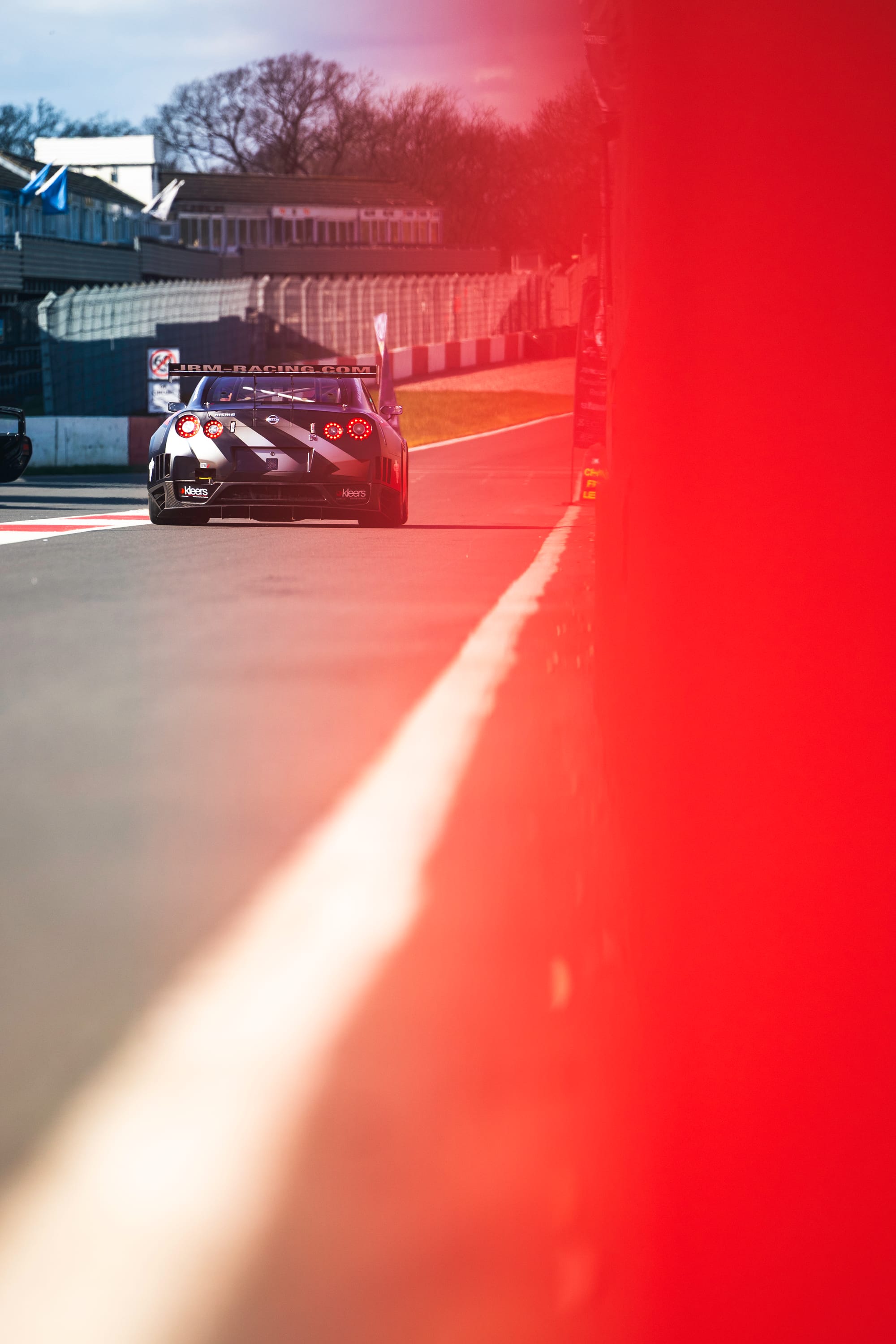
Heading straight down to the pits, the scene opened up into something unexpected — a collection of early-2000s GT machinery, the kind of cars that defined an era of endurance racing. GT3 and GT2 cars sat side by side, many with real history behind them, not just replicas or showpieces.
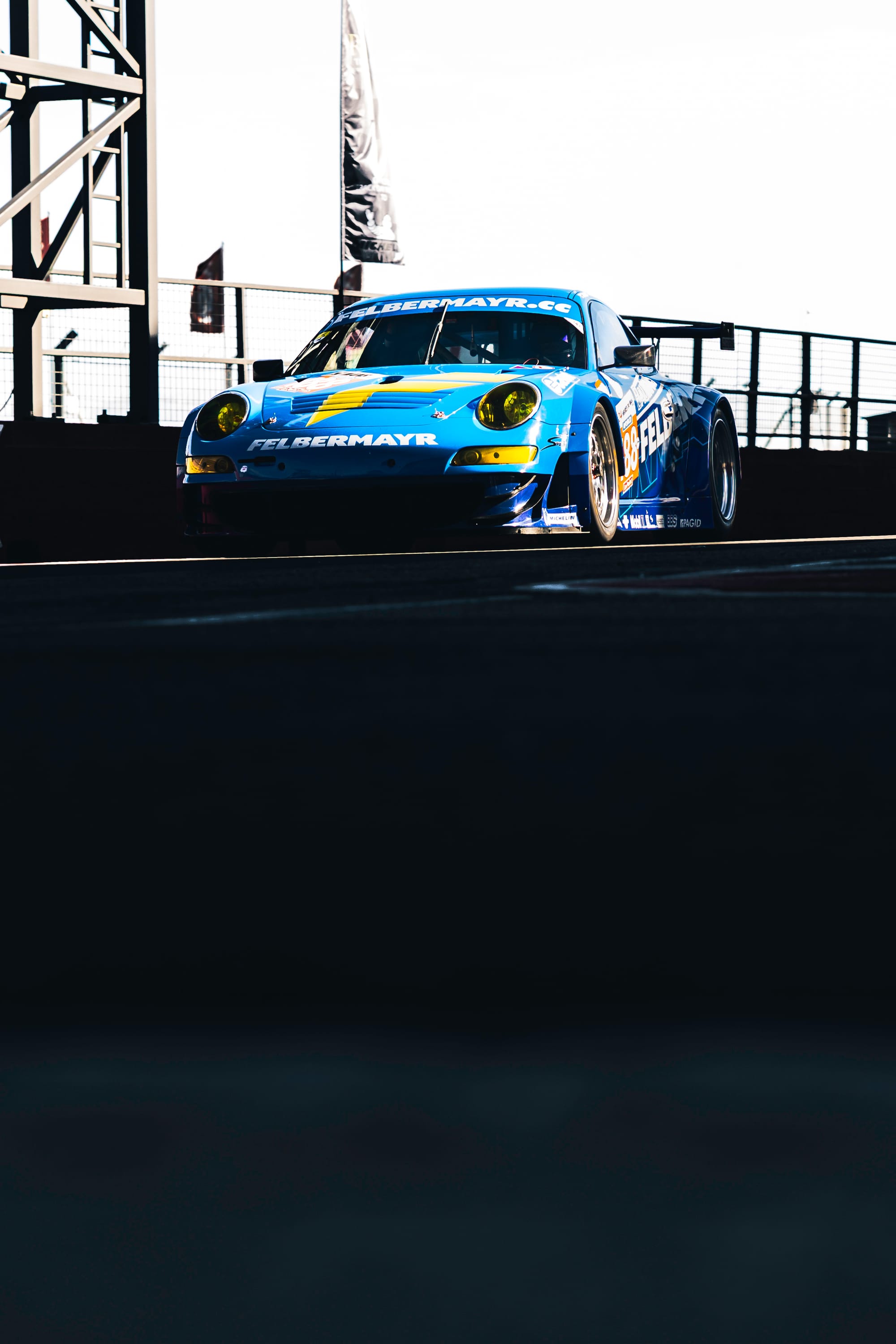
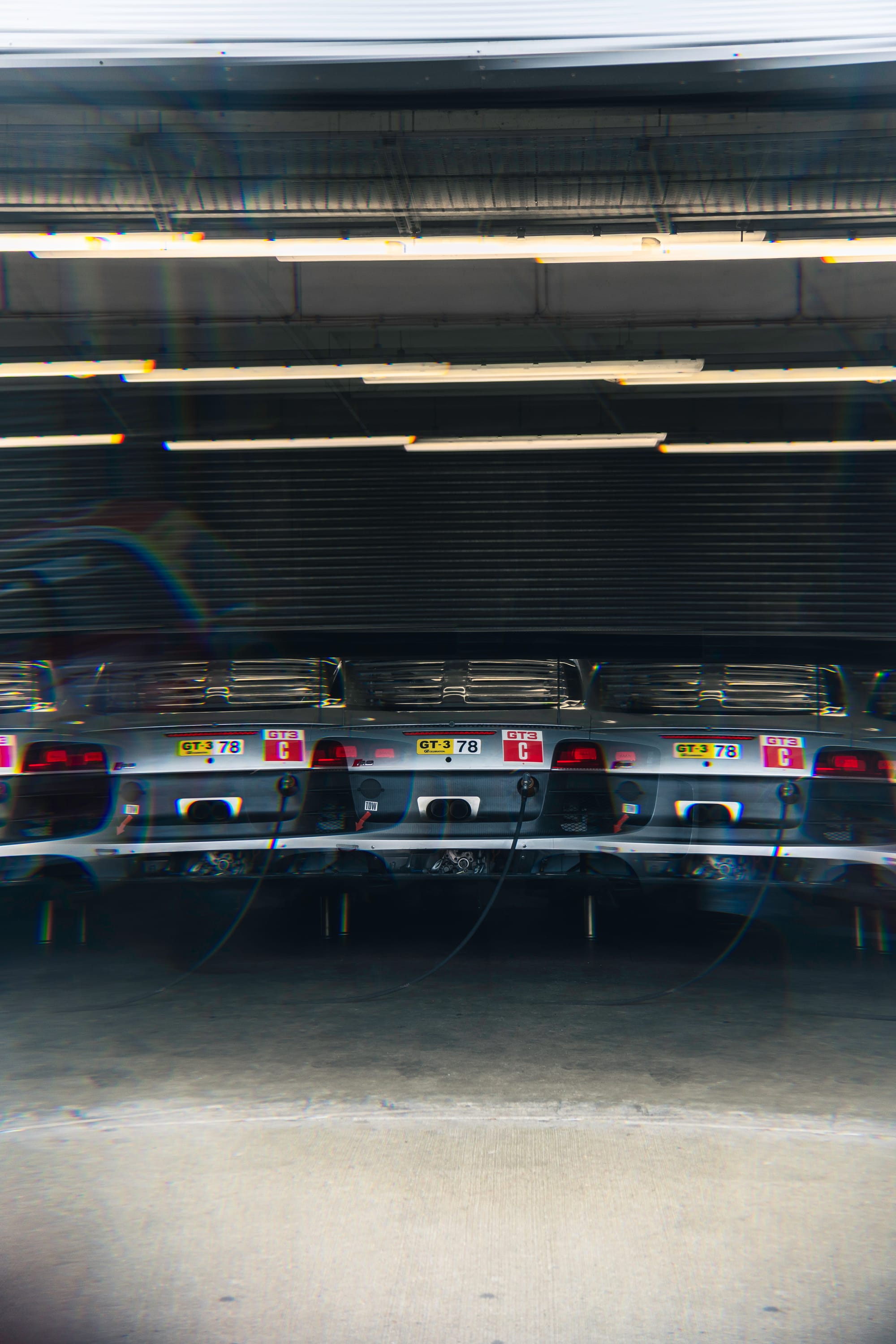
Endurance cars in the pits - Photos Tom Kenyon
Porsche was a dominant presence throughout the paddock, with multiple GT3 RS models lining the garages, but it was the stories behind the endurance cars that really gave the day its edge.
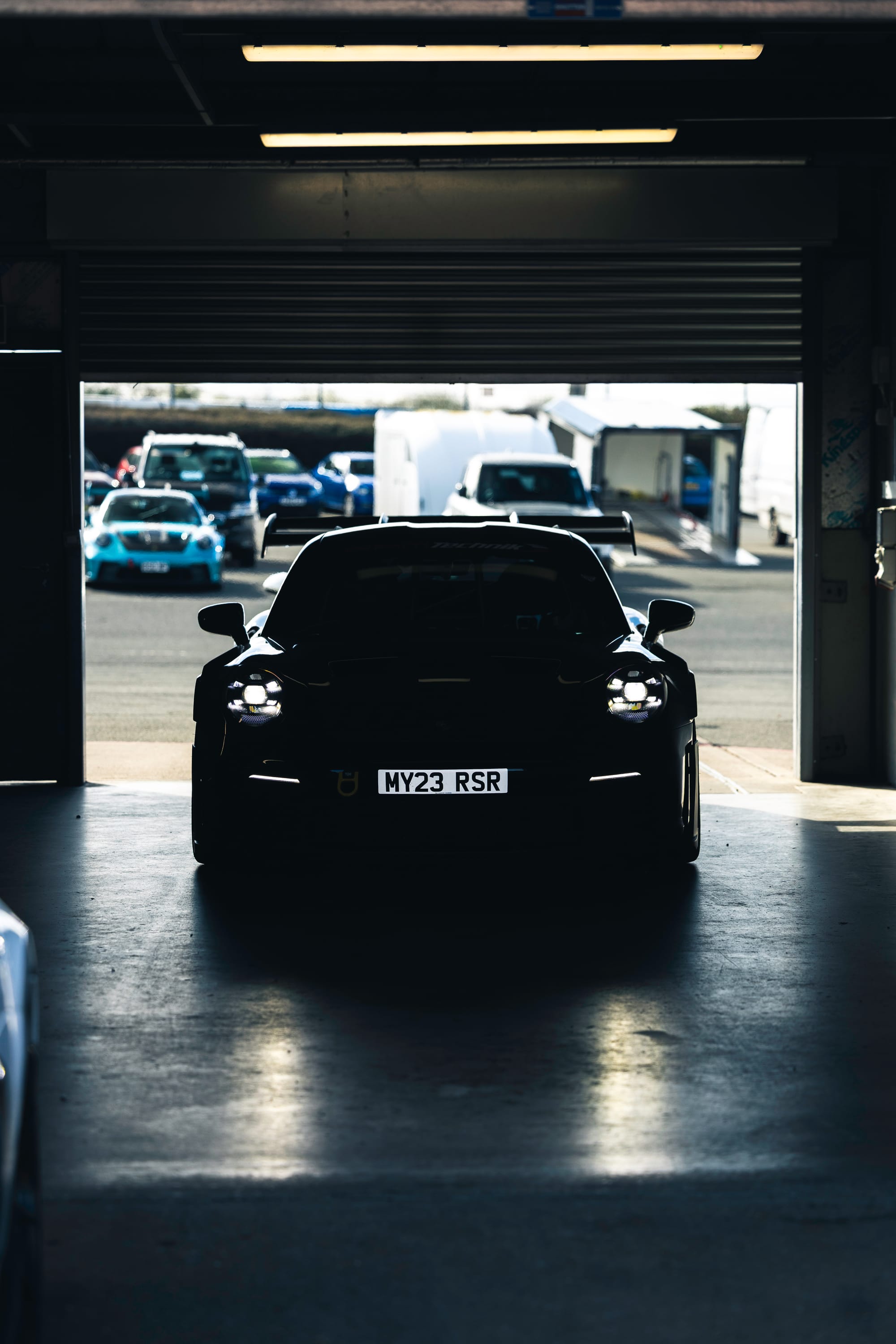
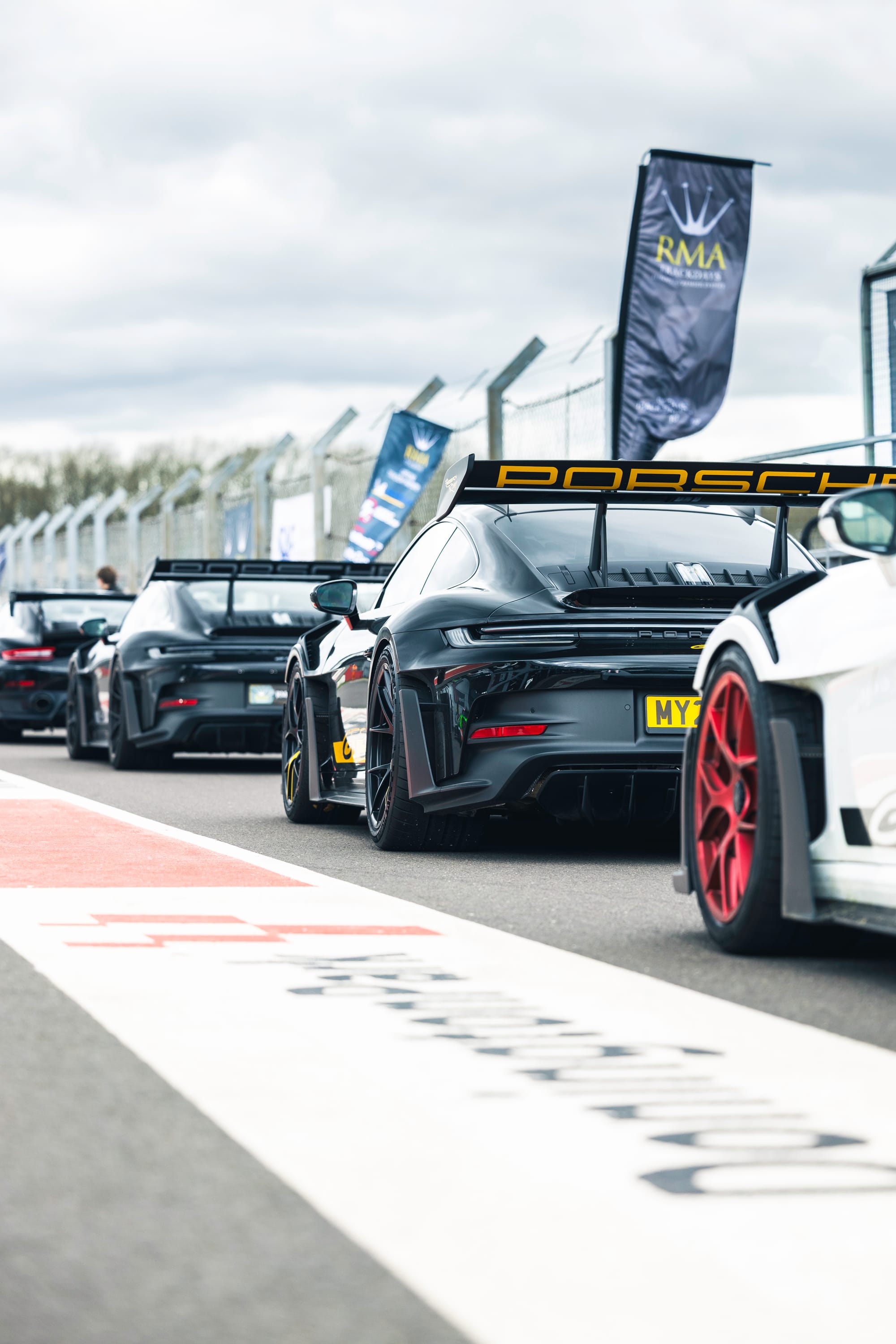
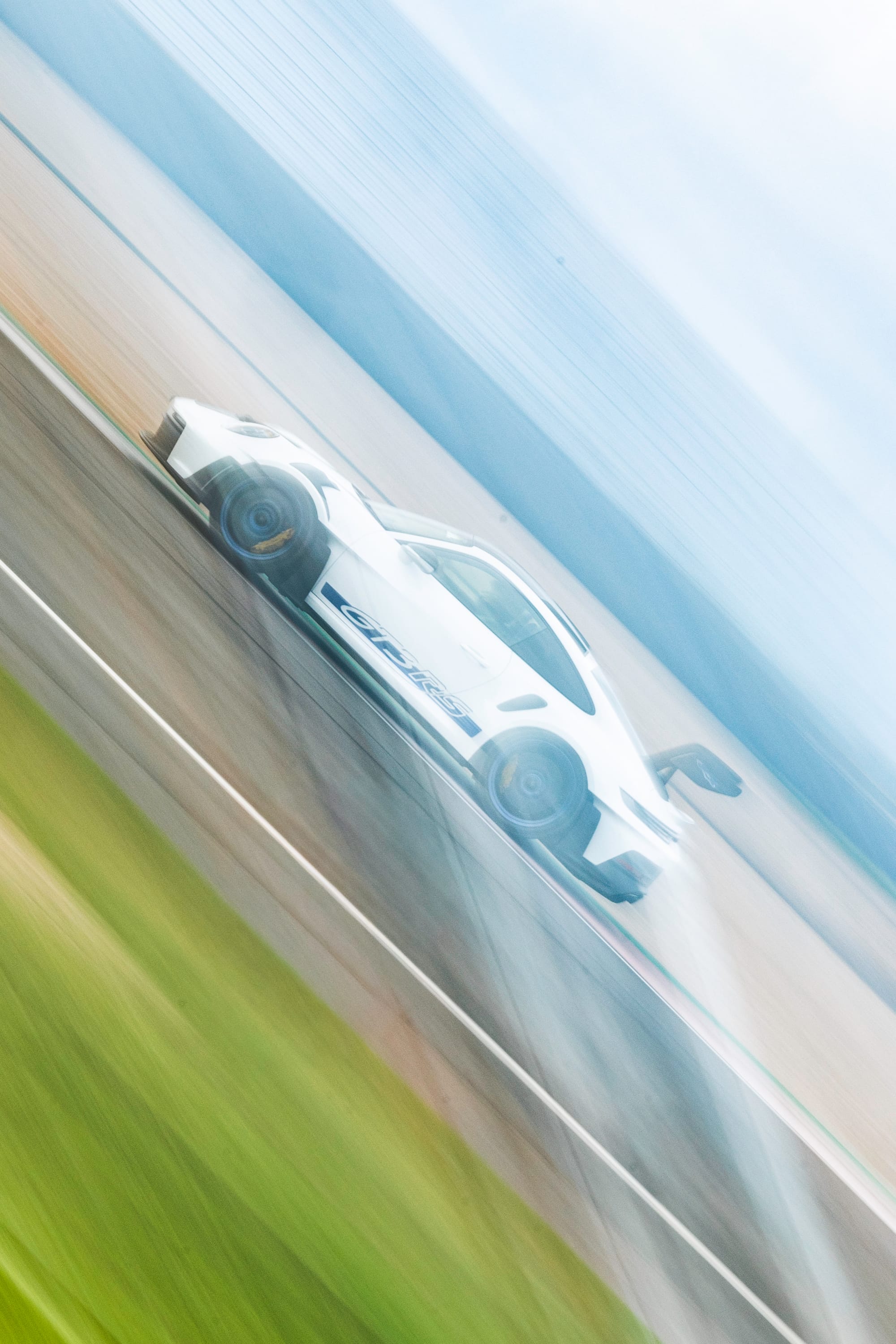
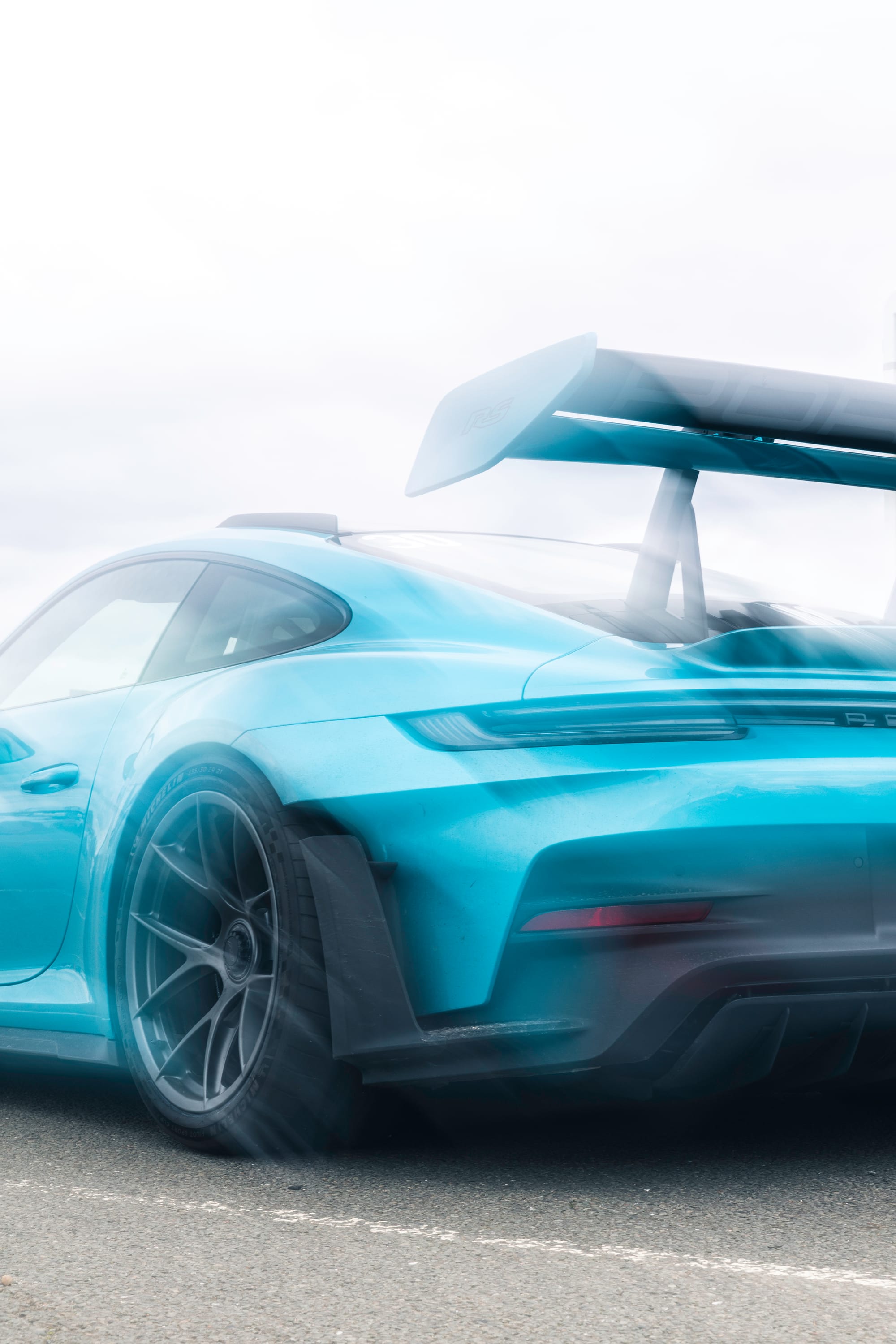
Selection of Porsche GT3RS - Photos Tom Kenyon
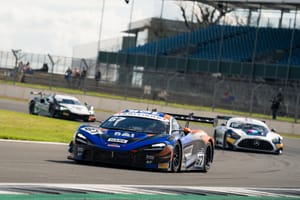
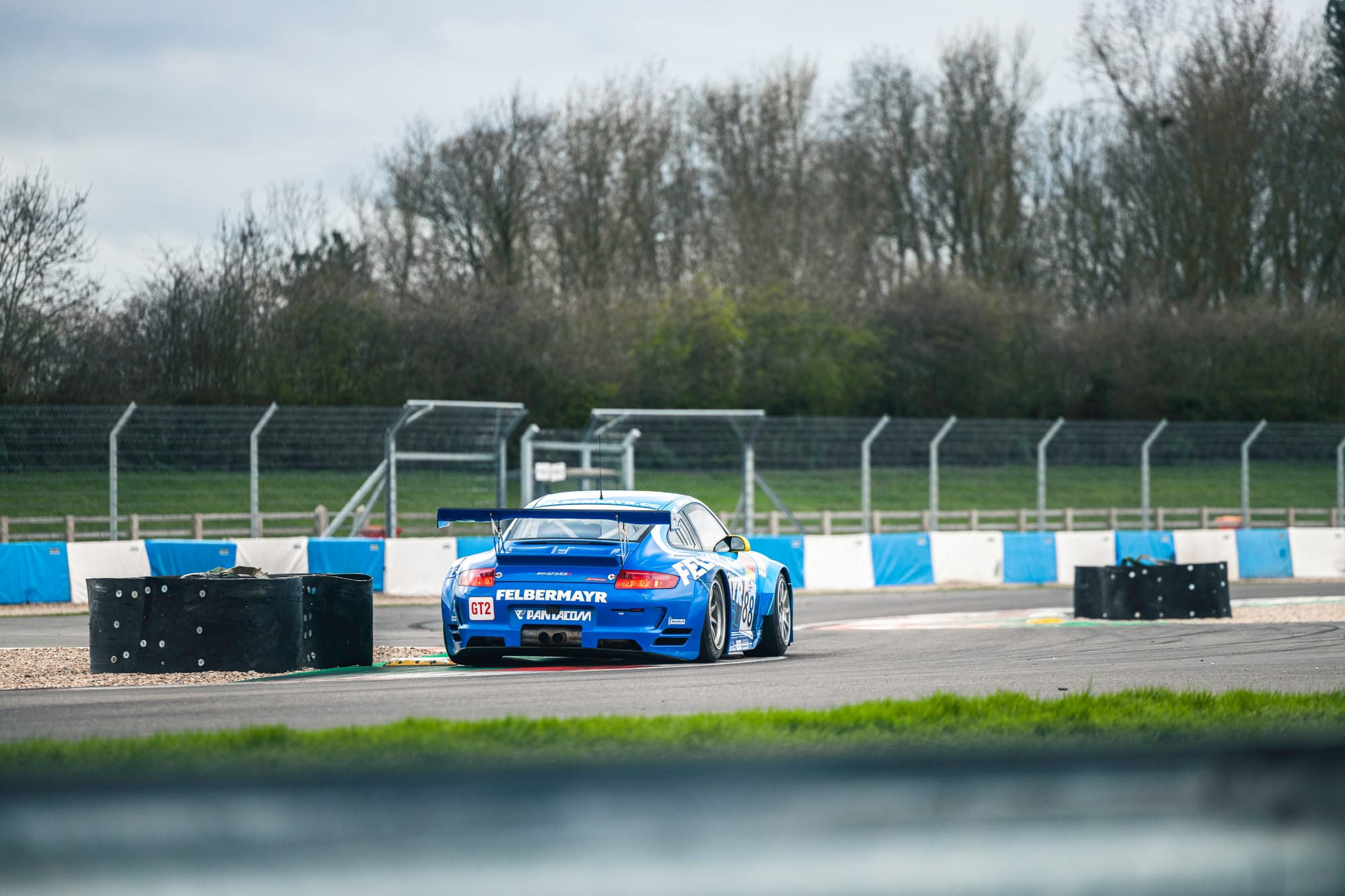
Amongst the endurance cars were a few personal highlights - the blue Porsche 997 GT3 RSR, built by Jordan Racing Team and owned and driven by Peter Chambers; the red Audi R8 LMS Ultra, run by Blakeney Motorsport and driven by Fred Wakeman. Each carried its own story, adding even more depth to an already special lineup.
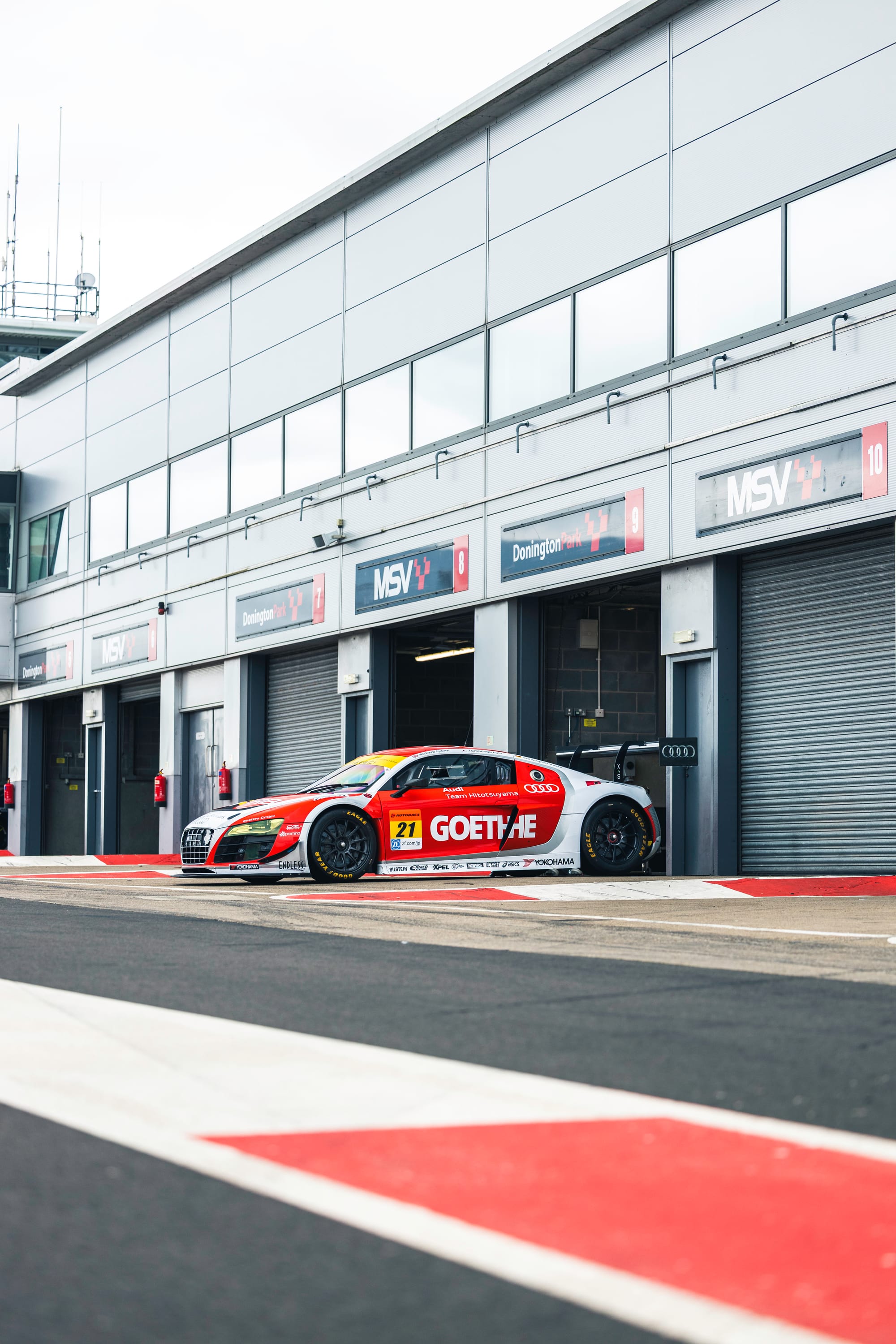
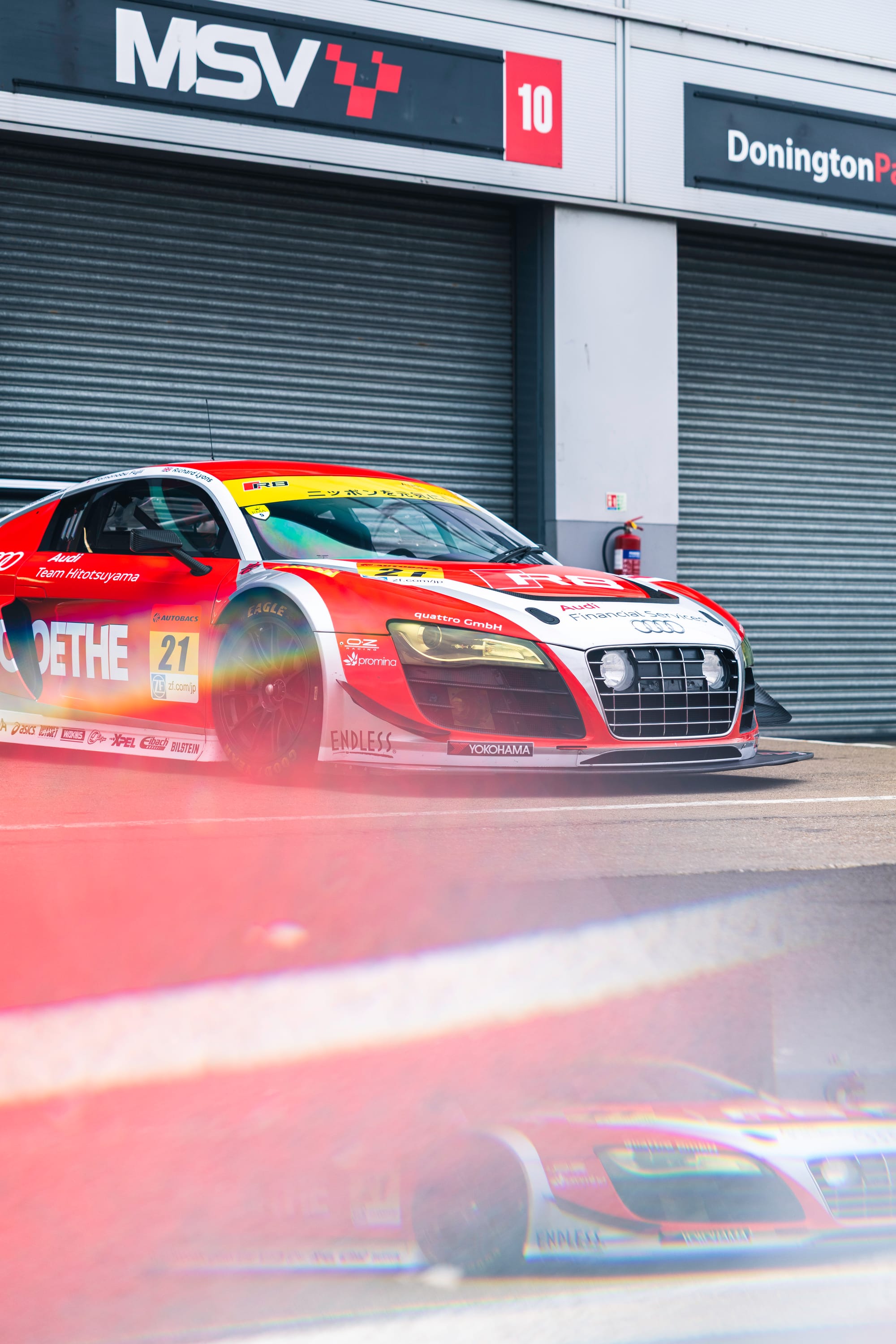
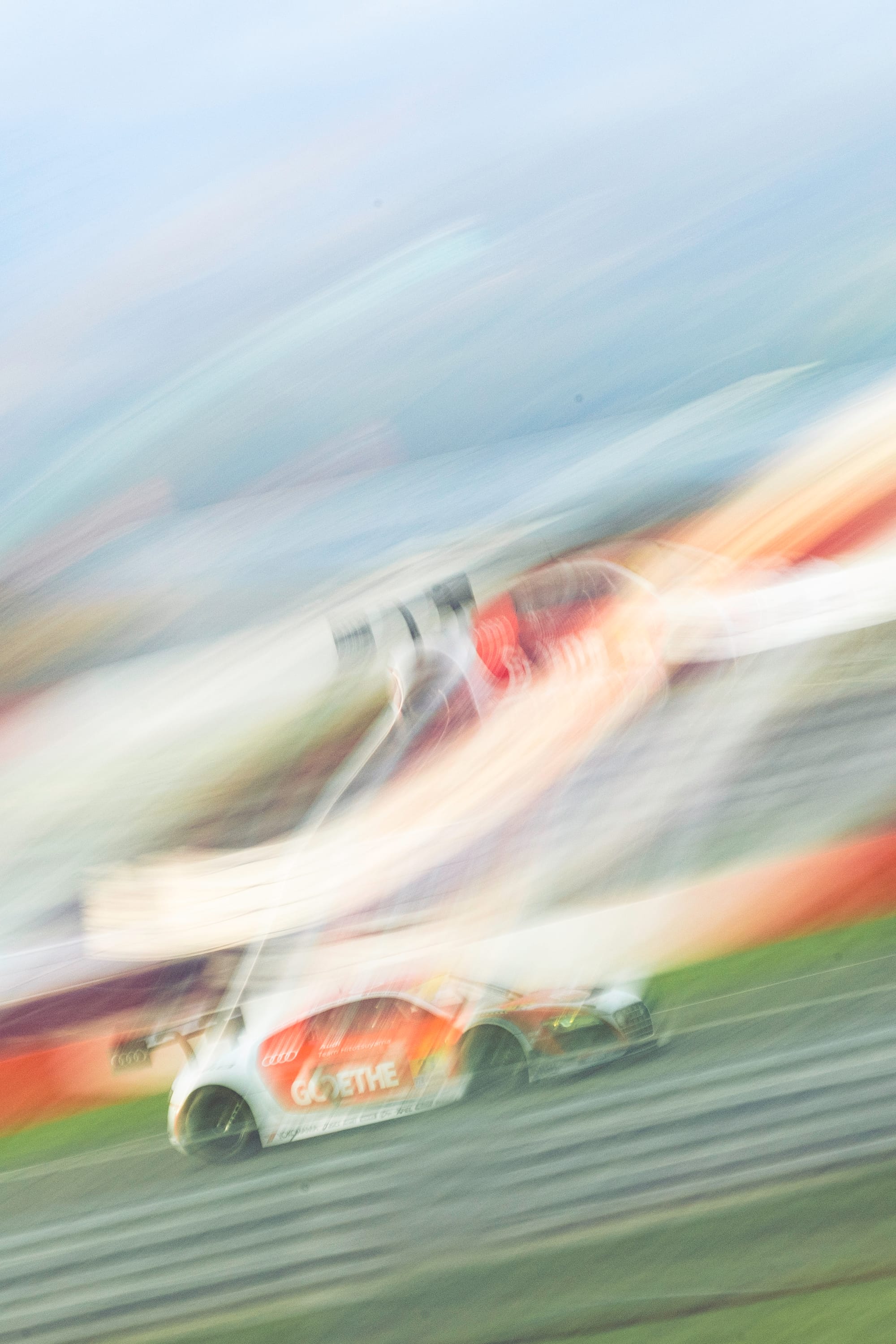
Audi R8 LMS Ultra - Owned by Blakeney Motorsport - Driven by Fred Wakeman - Photos Tom Kenyon
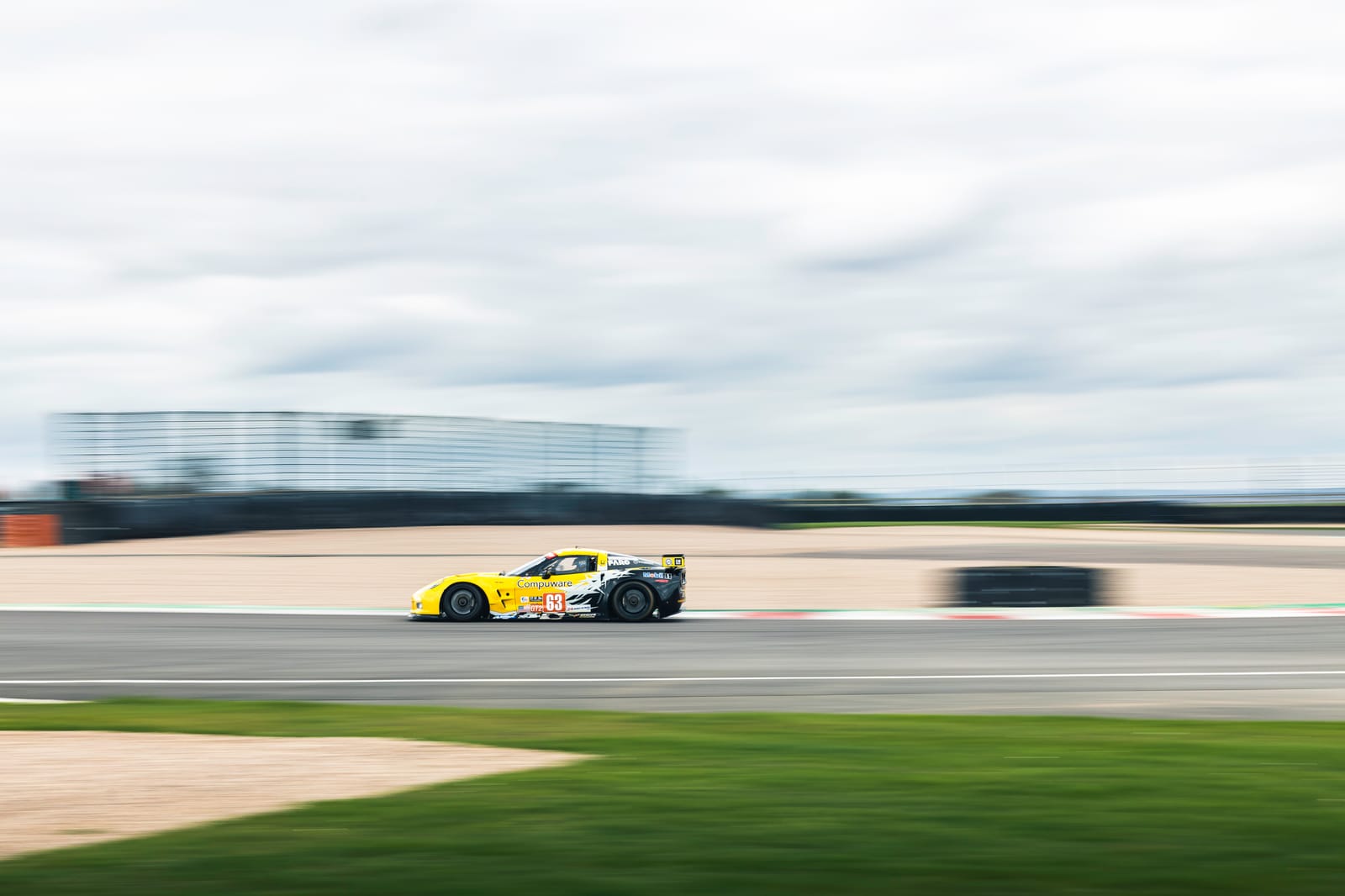
One car in particular stood out — a GT2-spec Corvette with genuine pedigree. This wasn’t just any historic machine. It was the very car driven by Jan Magnussen in the 2009 ALMS finale at Laguna Seca, remembered for one of the most dramatic finishes in endurance racing. Locked in a final-lap battle with a Porsche 997, the Corvette was taken out just before the finish line in a moment that still gets talked about today. Seeing that exact car in the flesh added a layer of meaning you simply don’t get from watching clips online. That car is now owned by Foxcraft Racing.
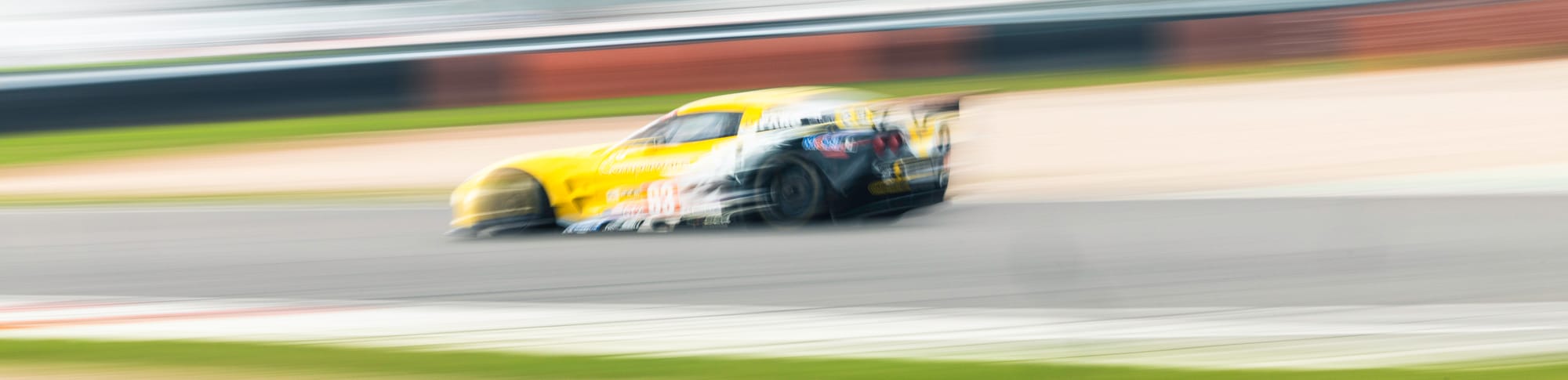
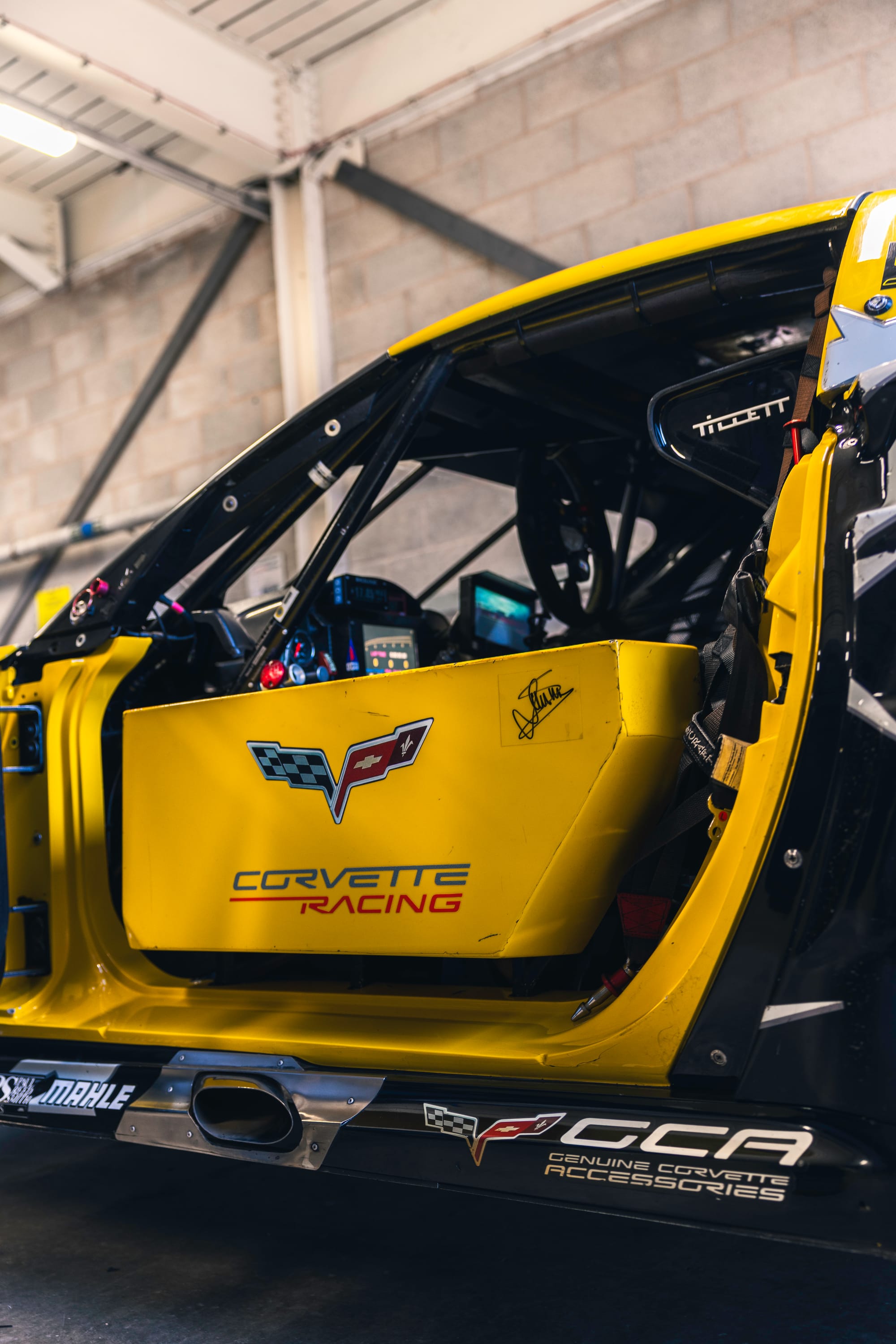
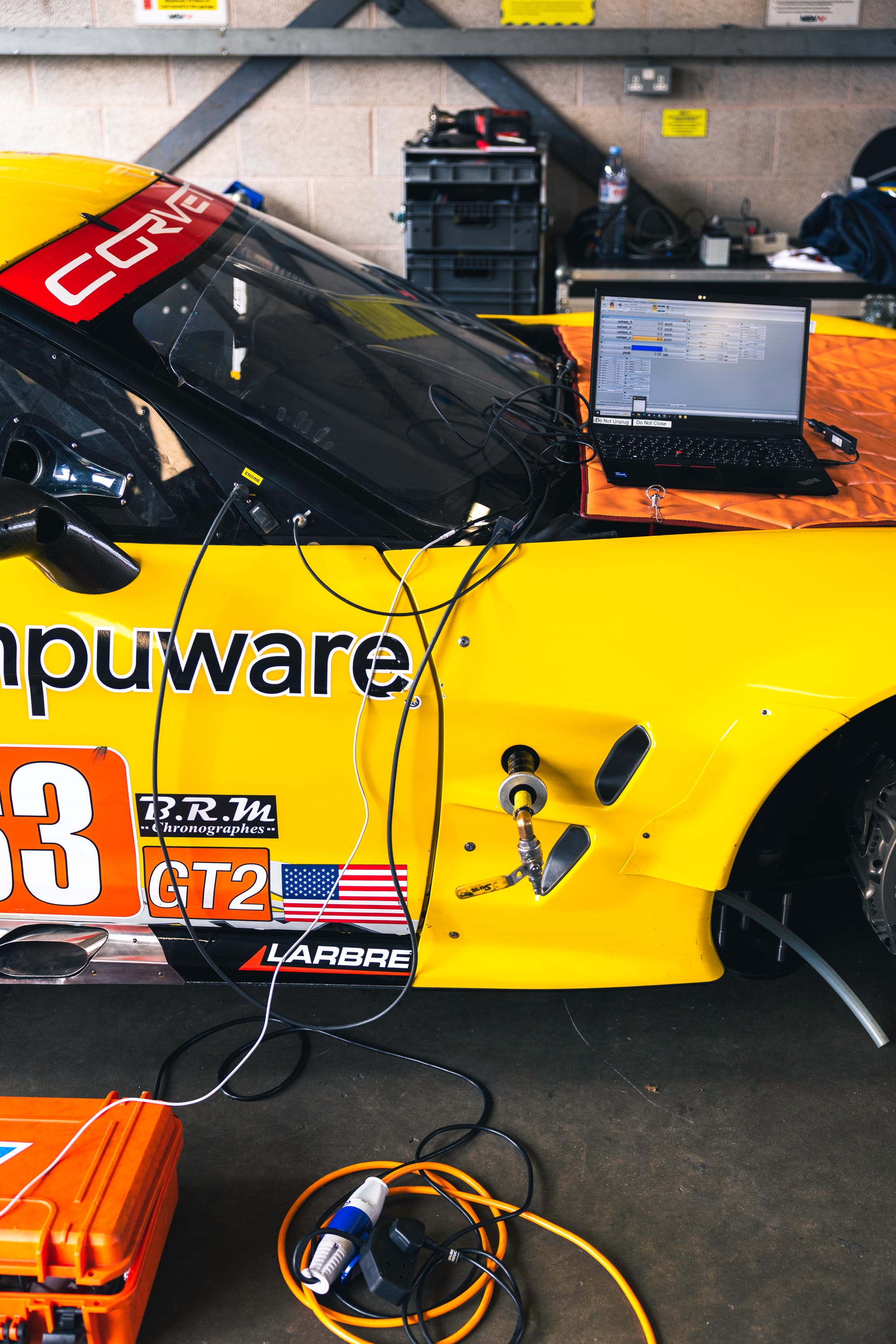
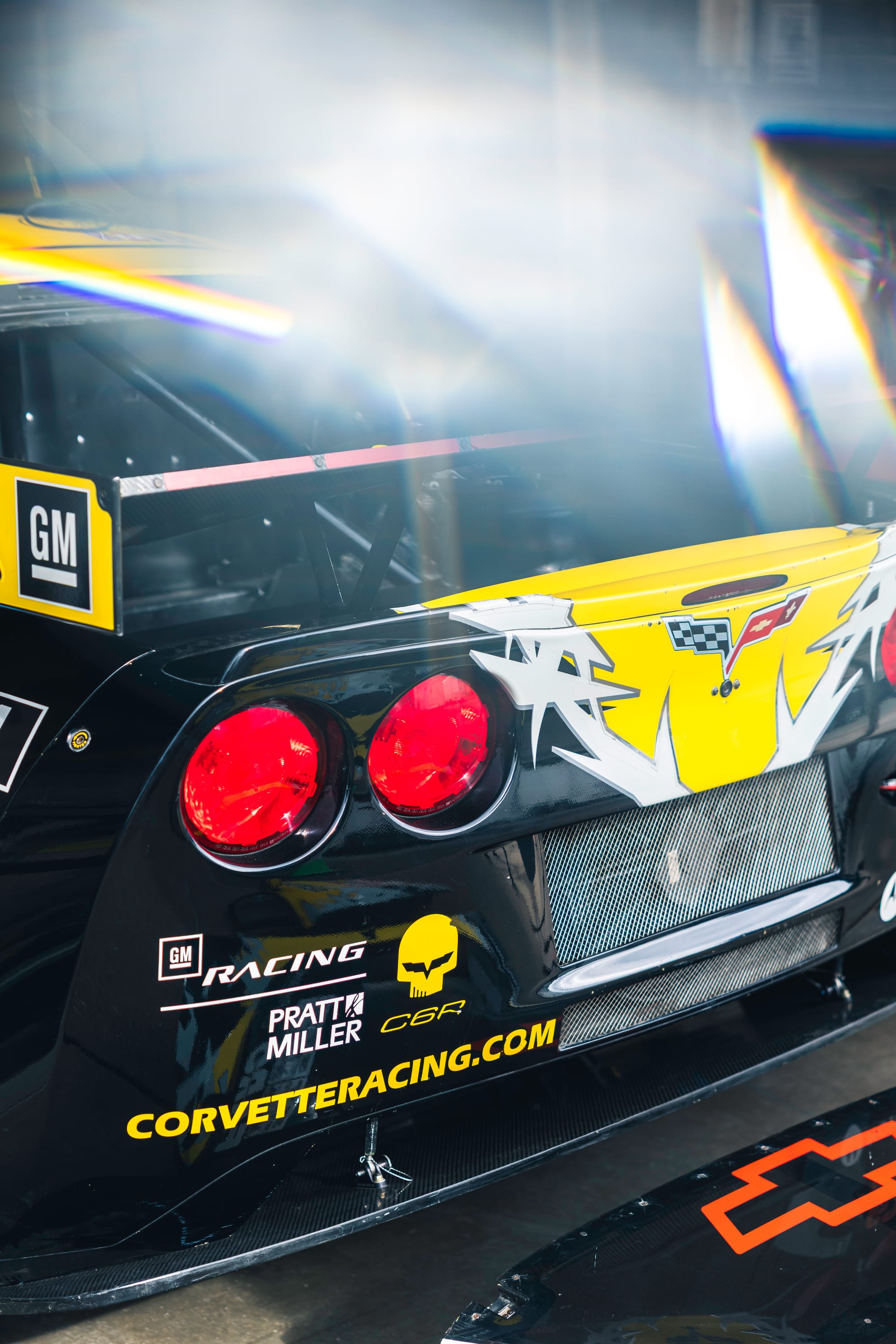
Corvette C6 GT2 - Owned by Foxcraft Motorsport - Photos Tom Kenyon
Most of the day was spent in the pits, soaking in the atmosphere and getting close to the cars, but time trackside was just as rewarding. Stops at Donington’s iconic sections — the Melbourne Hairpin and the flowing Craner Curves into the Old Hairpin, along with the technical Fogarty Esses — offered the perfect vantage points to watch these machines being pushed properly. A venture across the muddy infield to Starkey’s Bridge rounded out the experience, adding a bit of grit to the day.
Conditions stayed dry throughout, which, at Donington, always feels like a bonus. It allowed the cars to stretch their legs and deliver the kind of raw, unfiltered sound and performance that modern regulations often tame.
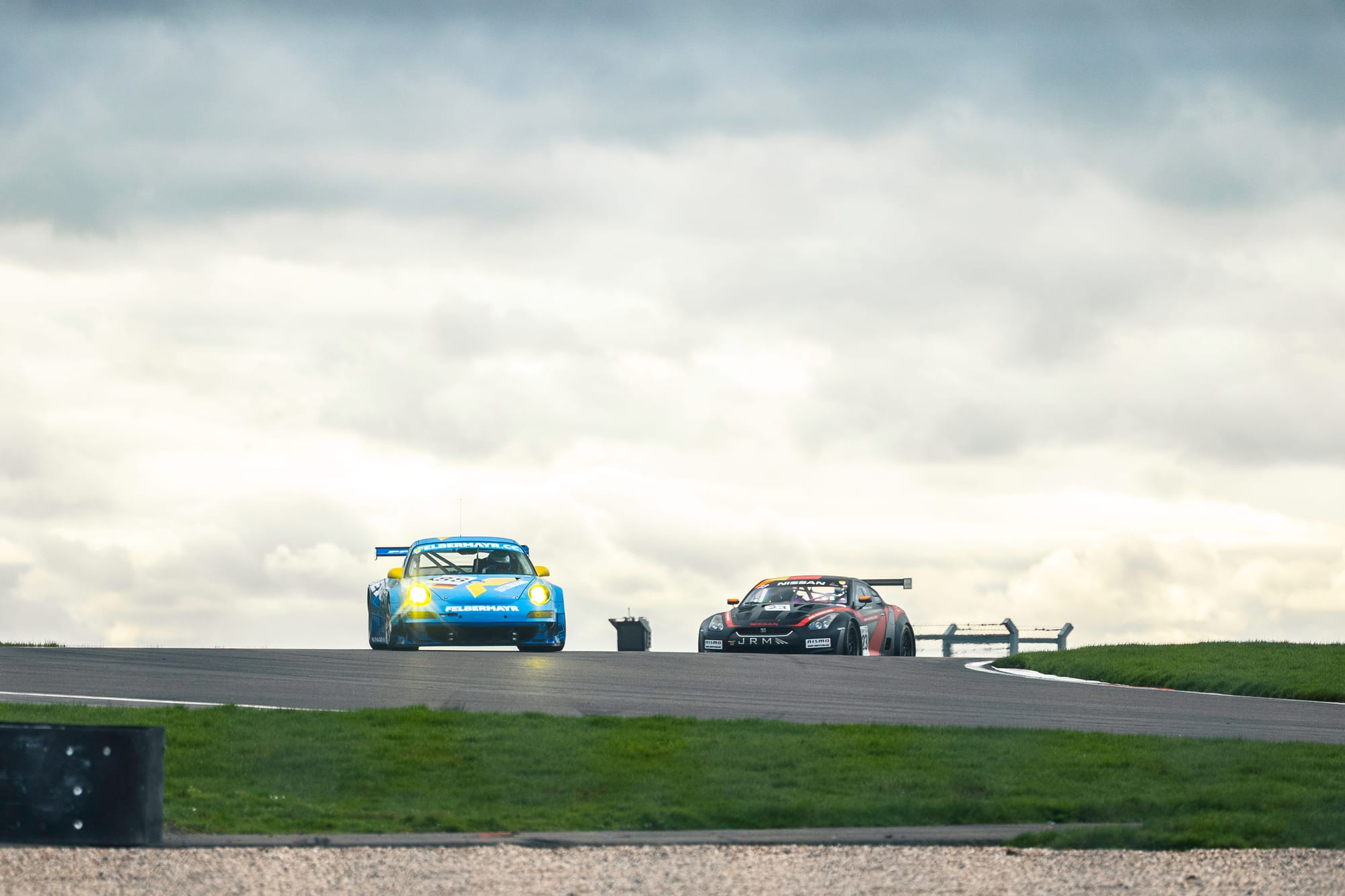
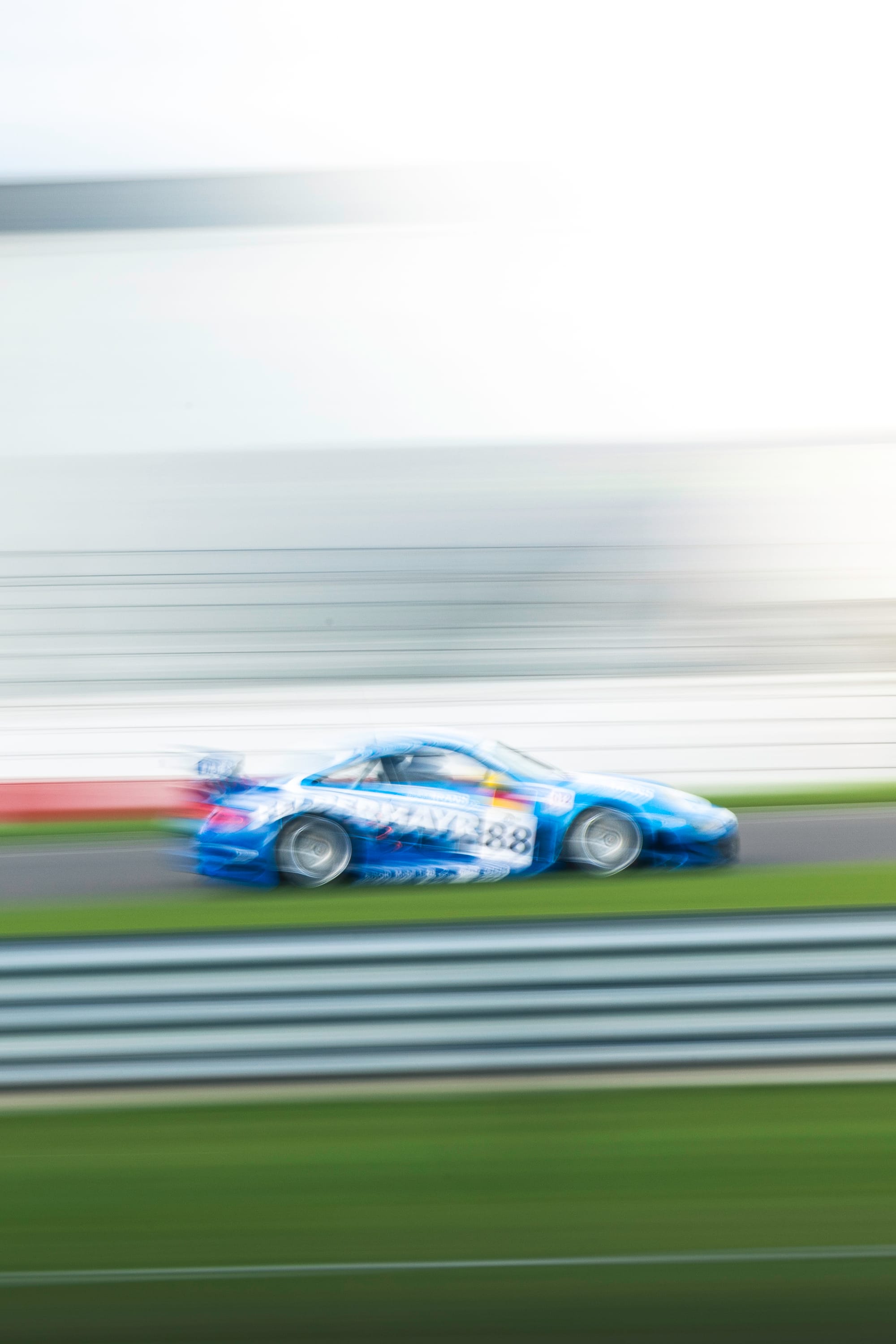
Porsche 911 997 GT3RSR - Driven by Peter Chambers - Photos Tom Kenyon
What stood out most wasn’t just the machinery, but the feeling. This wasn’t a race weekend, there were no points or pressure — just drivers and teams enjoying cars that once lived at the sharp end of endurance racing. And in that environment, the connection between past and present felt even stronger.
A simple track day on paper — but in reality, something far more memorable.