By Régis Ghibaudo | Photography: Shift-R Media Lab
Circuit Paul Ricard, Le Castellet, France | 6–8 November 2026
There are historic racing events where legendary cars return to the track for a few spectacular laps. And then there are events that ask considerably more of them.
At the Circuit Paul Ricard, Les 2 Tours d’Horloge offers something truly unusual: 24 hours of uninterrupted competition exclusively dedicated to historic racing cars.
Organised by V de V Sports, the 2026 edition brought together an extraordinary collection of classic GTs, touring cars and sports prototypes for a challenge that few historic racing events would dare to attempt.
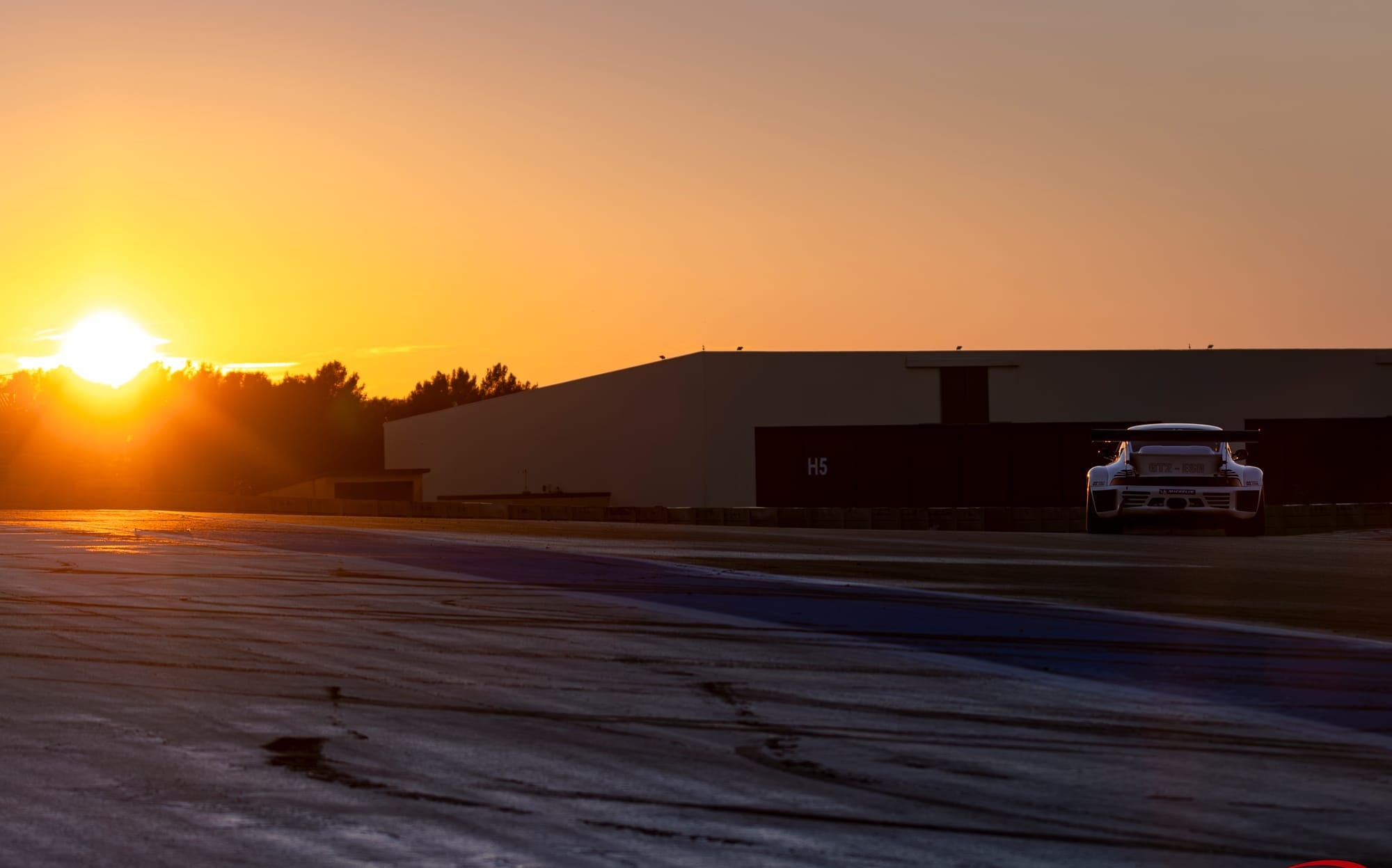
From the golden light of Saturday afternoon to the darkness of the night, and eventually the rain that swept across the circuit on Sunday, these historic machines faced the same fundamental challenge as their modern counterparts: surviving an entire day of relentless racing.
A Unique Challenge in Historic Motorsport
First organised in 1992, Les 2 Tours d’Horloge was revived in 2021 by its founder, Eric Van de Vyver, bringing one of historic motorsport's most distinctive endurance events back to life.
While classic racing festivals are increasingly popular throughout Europe, genuine 24-hour competitions reserved for historic racing cars remain exceptionally rare. Indeed, the organisers describe Les 2 Tours d’Horloge as the only event of its kind in the world.
The regulations welcome historic GT and touring cars built up to 1990, sports prototypes up to 1976, and Sports 2000 machinery up to 1986.
Unlike many historic racing meetings, where competitors participate in relatively short races, Les 2 Tours d’Horloge demands much more than outright performance.
Mechanical reliability, careful driving, pit-stop organisation, tyre management and the ability to adapt to constantly changing conditions become just as important as lap times.
The event also preserves one of endurance racing's most evocative traditions: the classic Le Mans-style start, with drivers running across the track towards their waiting cars before the field is reorganised for the actual race start.
For the 2026 edition, two-time Le Mans winner Romain Dumas was entrusted with starting the race on Saturday afternoon.
Before the 24-hour challenge began, a demonstration organised by The Originals Renault – La Collection celebrated the French manufacturer's endurance heritage, featuring three remarkable machines: an Alpine M65, a Renault Alpine A441 and a Renault Alpine A443.
It was a fitting introduction to an event where motorsport history is not simply displayed, but experienced.
Twenty-Four Hours of Racing: Chevron Takes the Victory
The 2026 edition delivered a demanding contest combining mechanical challenges, changing weather conditions and several closely fought battles throughout the field.
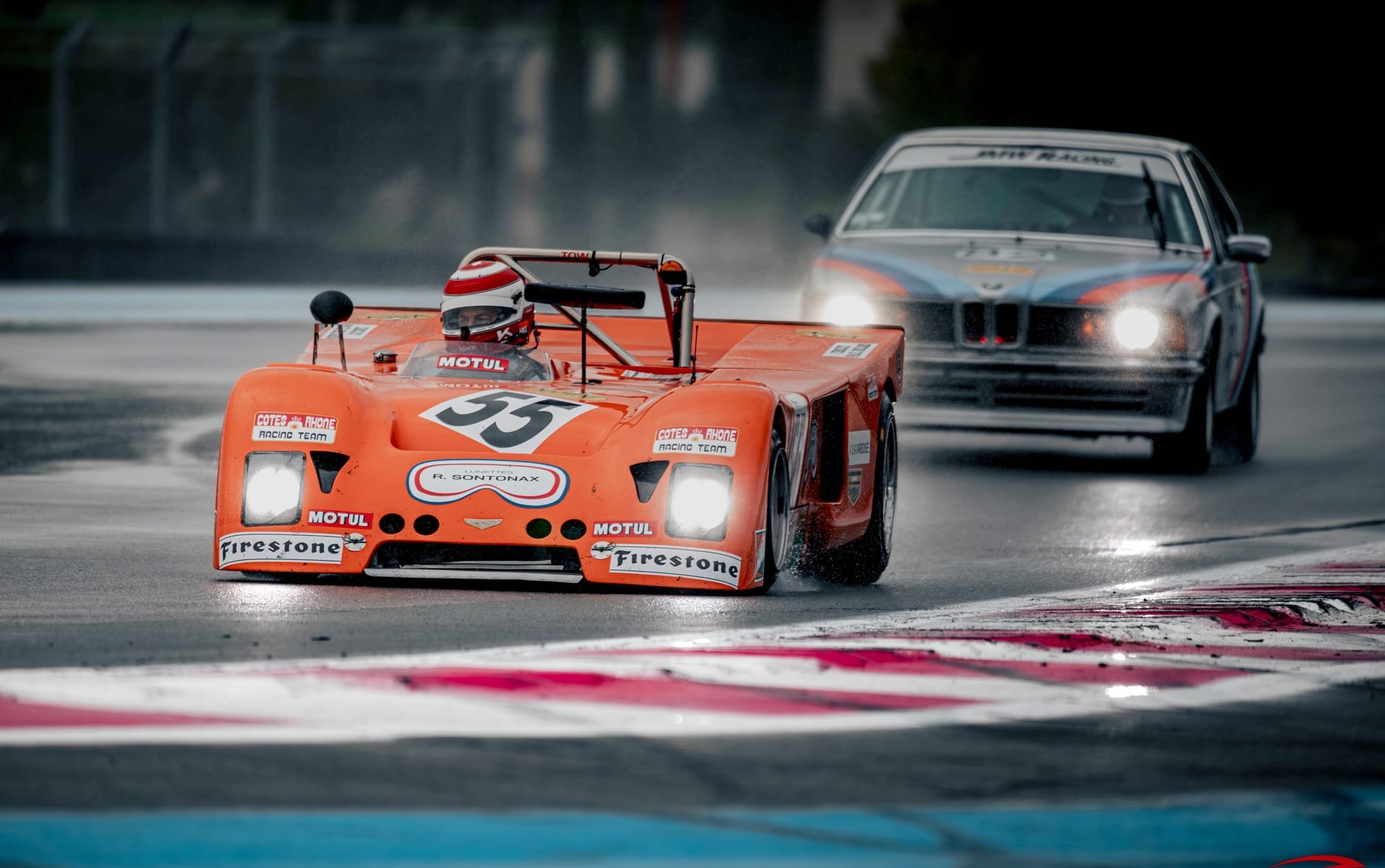
Starting from pole position, the #55 Chevron B19 of Côtes du Rhône Racing Team quickly established itself as the benchmark.
Driven by François Rivaz, Frank Stippler and Alexander Furiani, the lightweight prototype demonstrated an impressive combination of speed, consistency and reliability.
Its closest challenger, the #61 KMW Porsche SP30, was forced to retire during the seventh hour following a mechanical failure, leaving the Chevron with a commanding advantage.
Yet even with a comfortable lead, victory in a 24-hour race is never guaranteed.
As darkness fell over Le Castellet, the teams faced the demanding rhythm of overnight racing. Drivers rotated through their stints, mechanics worked under artificial lighting, and the pitlane remained active throughout the night.
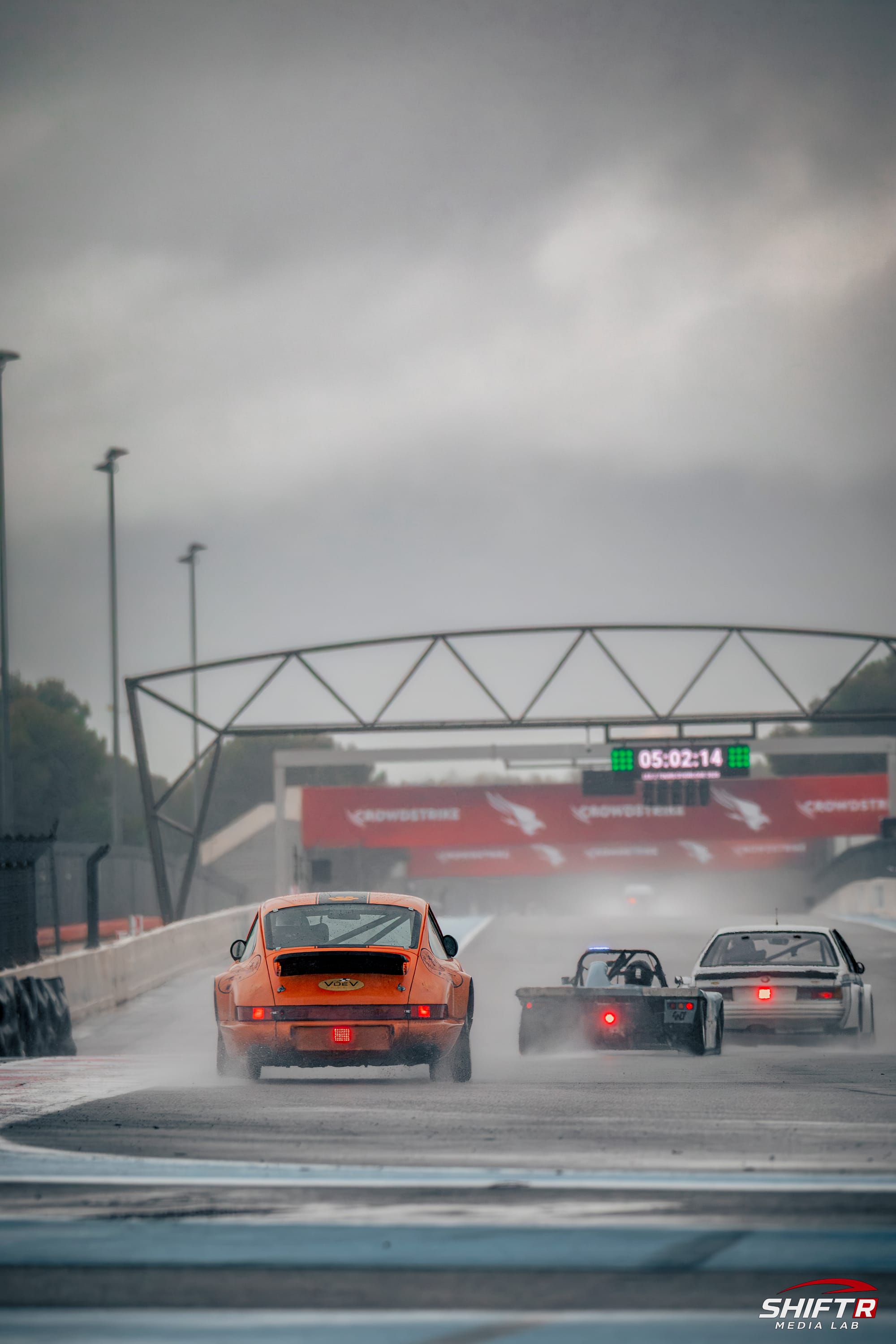
The arrival of rain on Sunday morning introduced another challenge, forcing crews to adapt to a slippery and unpredictable circuit.
After 24 hours of competition, the Chevron B19 #55 crossed the finish line having completed 505 laps, approximately 2,940 kilometres, securing victory with an advantage of 11 laps.
It was a particularly satisfying result for a crew that had finished second in 2025.
Behind the winning Chevron, the battle between the Porsche 964s provided some of the most entertaining racing of the weekend.
The #66 Porsche 964 of Team Zosh Classic, driven by Nicolas Beloou, Jean-René de Fournoux, Jean-Bernard Bouvet and Max Chatelier, finished second overall and secured victory in the Porsche 964 category.
Third place went to Carzilla Racing Team's #26 Porsche 964, shared by Philippe Burel, Patrick Bonnardel, Julien Briche and Rudy Burot.
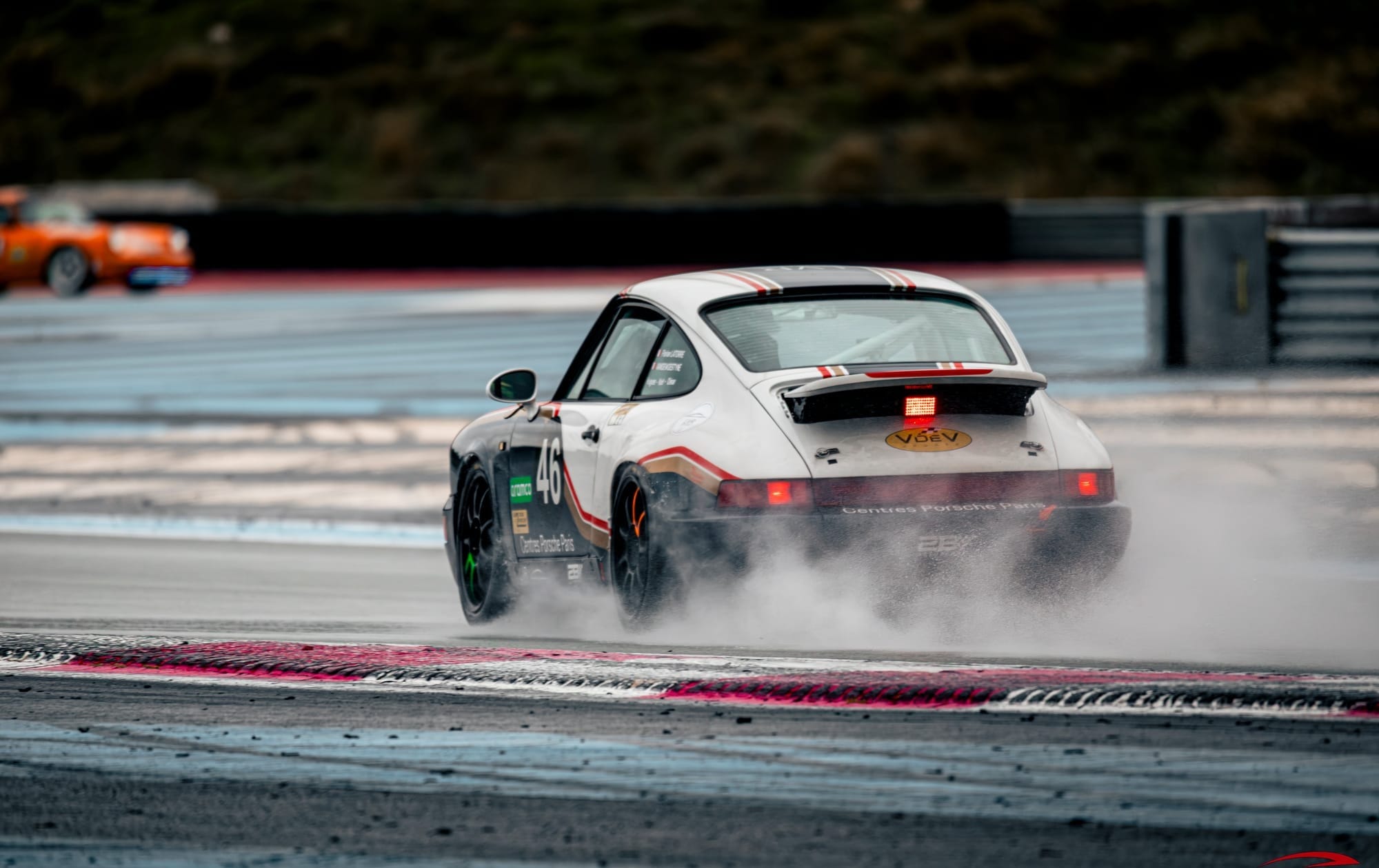
Another remarkable performance came from the #46 Porsche 964 Cup of 2B Autosport. Despite losing considerable time to a gearbox problem early in the race, the team recovered to finish fourth overall, just 25 seconds behind the final podium position.
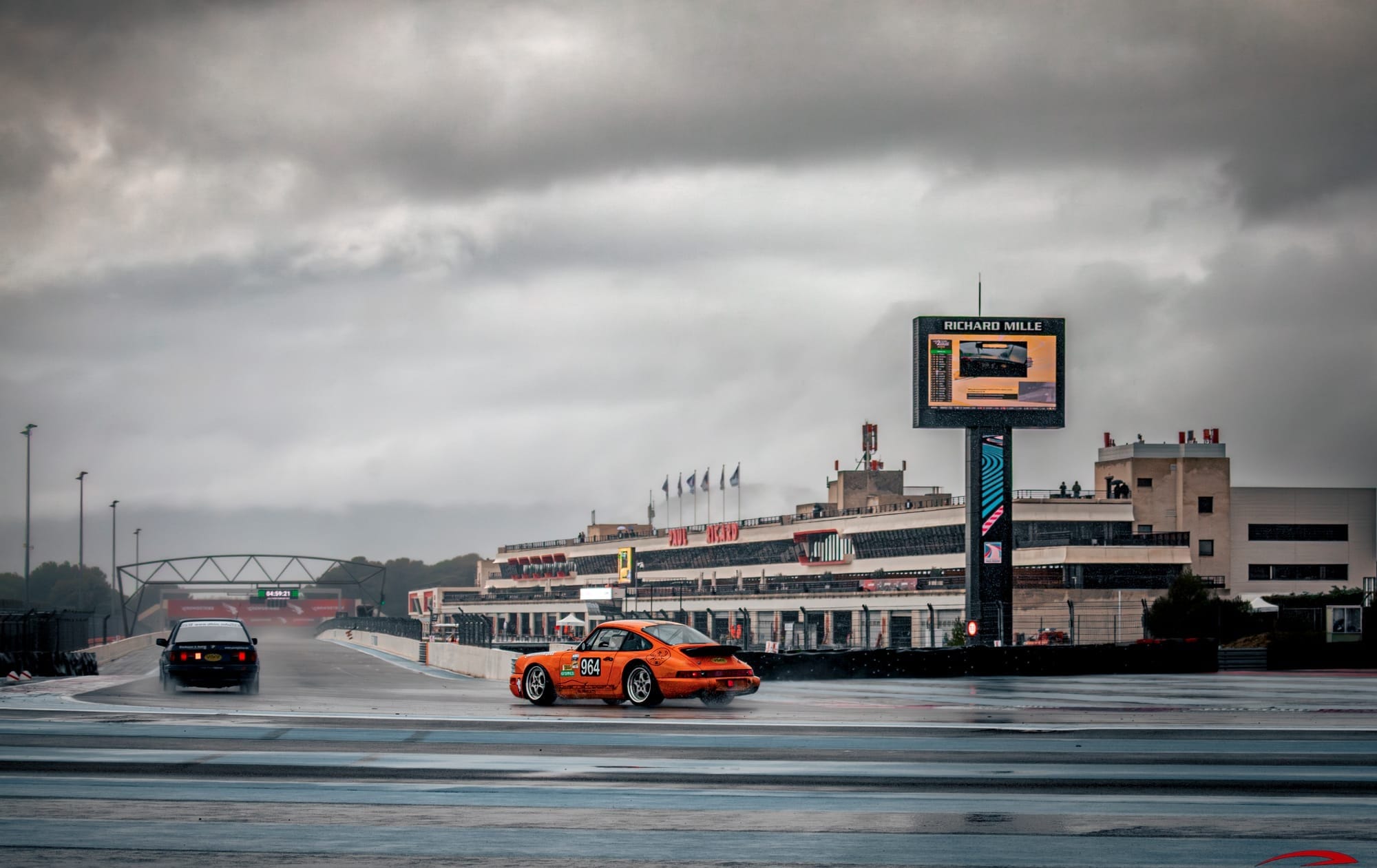
Completing the top five was the #964 Porsche 964 of Moderne Racing Team, driven by Fabio Spirgi, Mikael Lambotte, Richard Feller and Guido Gri.
The race was a reminder that endurance competition is rarely decided by outright speed alone.
Over 24 hours, the difference between success and disappointment can come down to a single mechanical component, a well-executed pit stop or the ability to keep a decades-old racing car running through the night.
Beyond the 24 Hours: Five Support Championships
Although the 24-hour race was undoubtedly the centrepiece of the weekend, Les 2 Tours d’Horloge offered much more than a single endurance event.
Five support championships brought additional variety to the Circuit Paul Ricard, from historic GT and touring cars to powerful open-wheel racing machines.
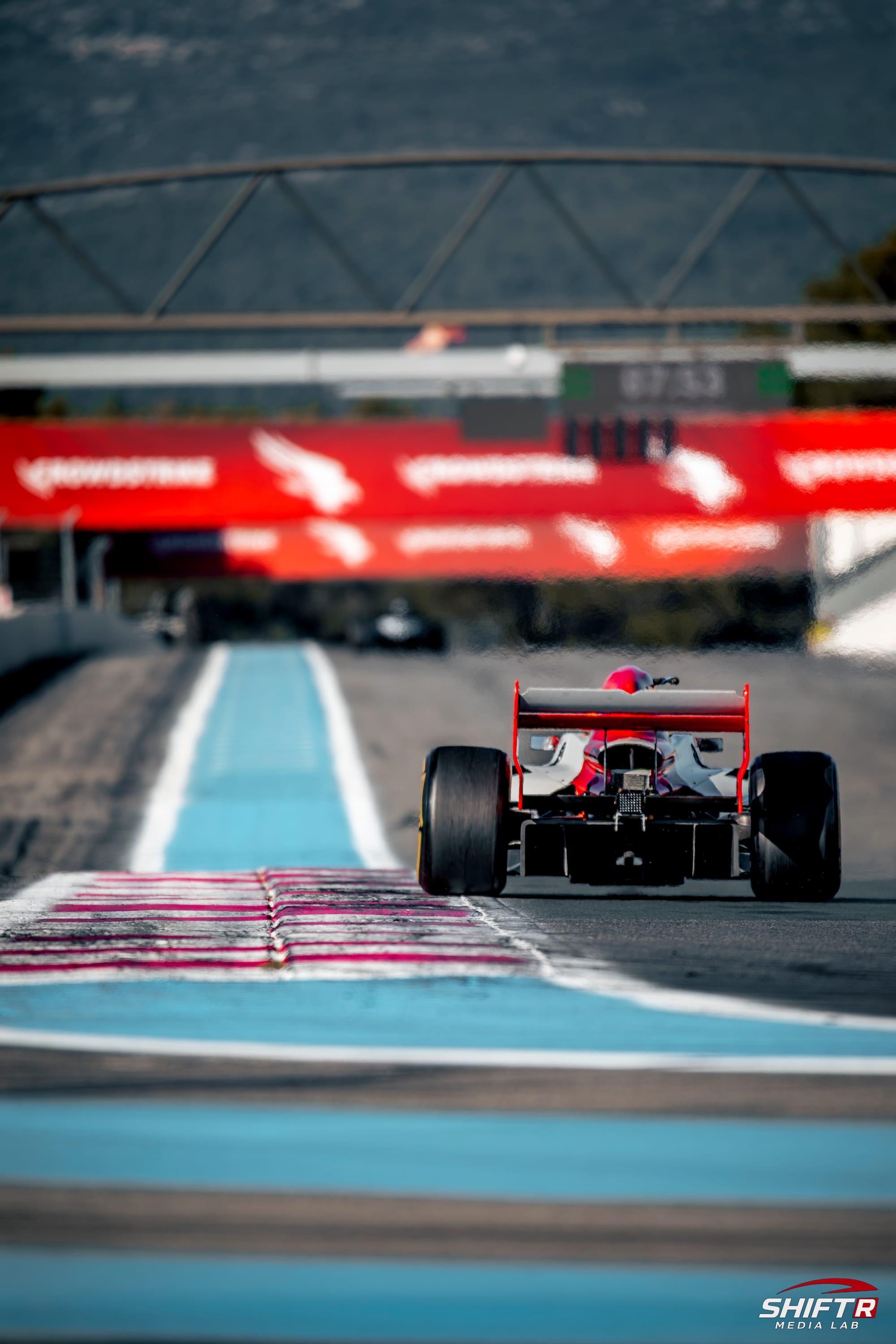
BOSS GP: Formula One Heritage Returns to Le Castellet
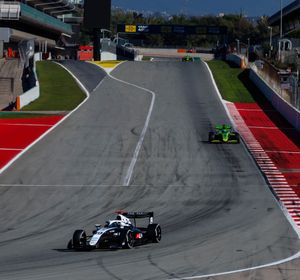
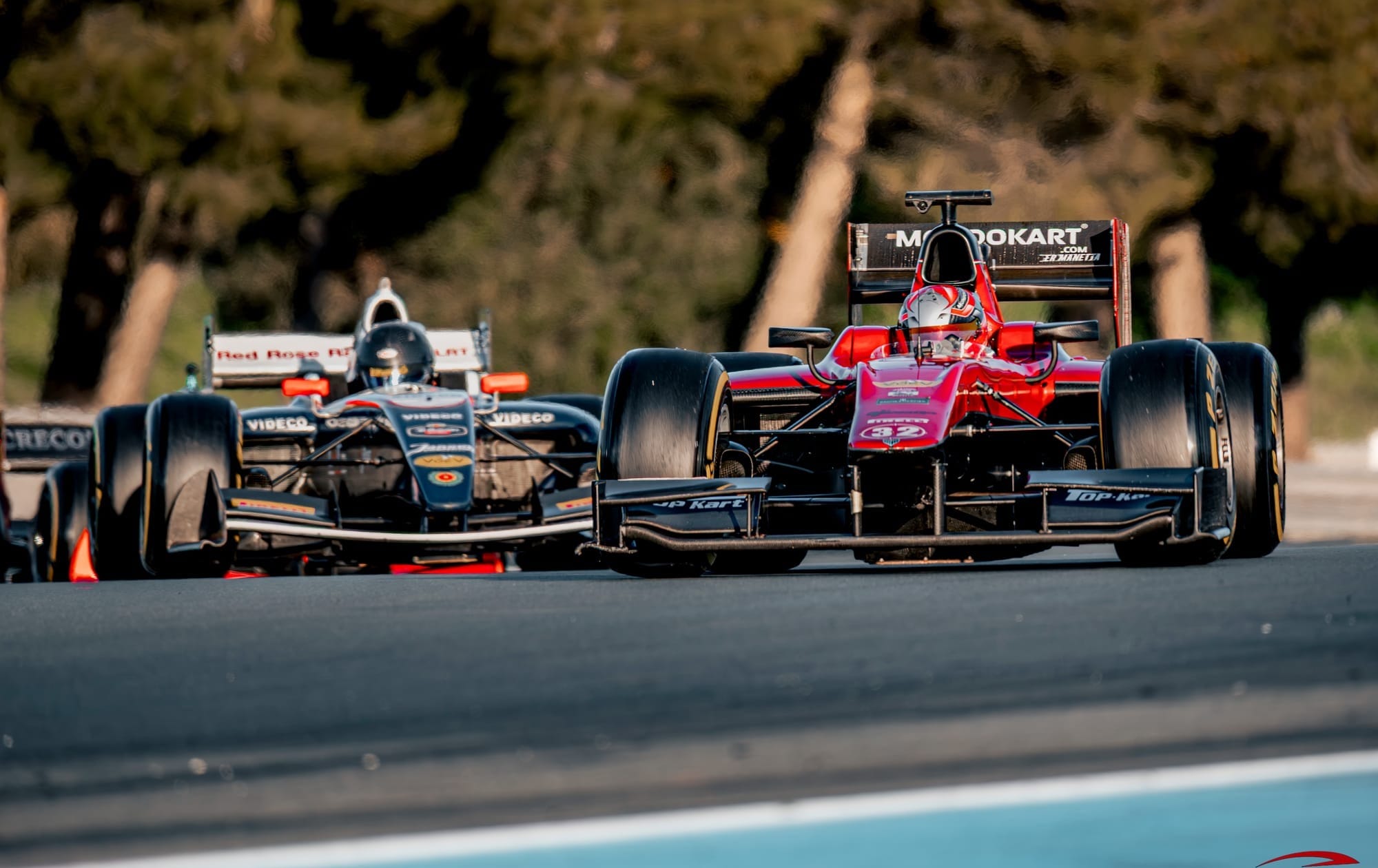
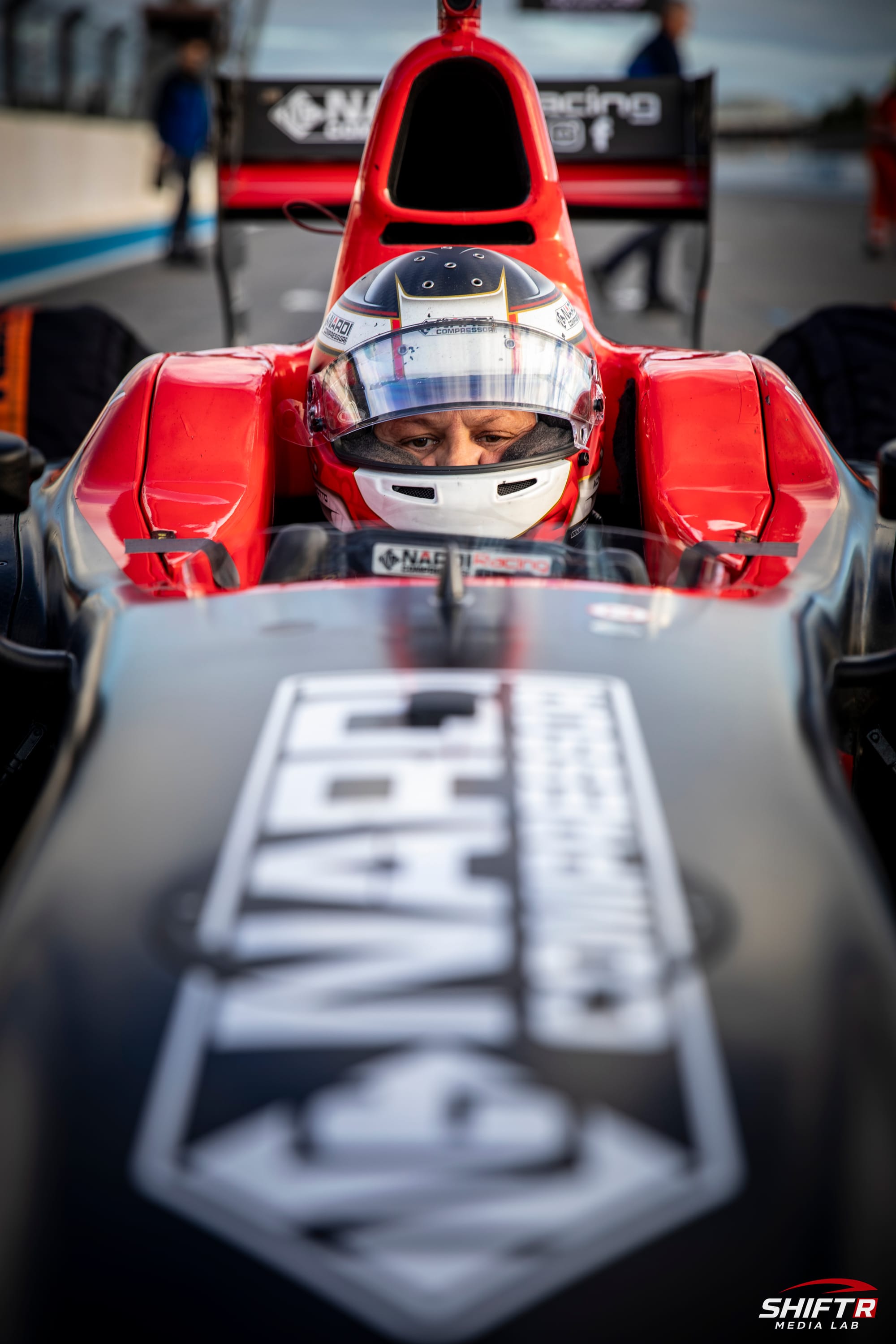
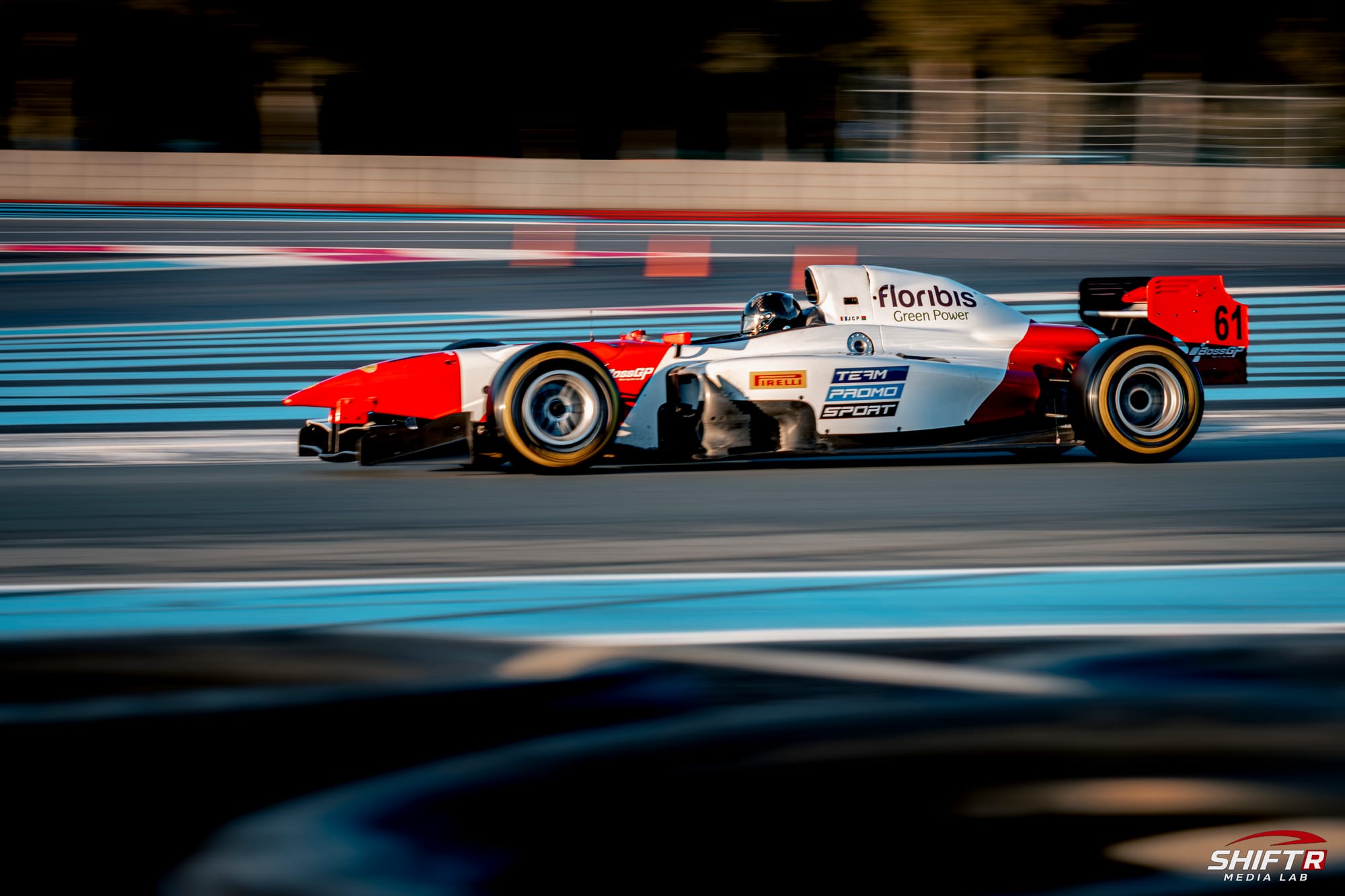
One of the most spectacular additions to the programme was BOSS GP, a championship featuring some of the fastest privately operated single-seaters in Europe.
The field brought together machinery from several generations of international motorsport, including former GP2 cars, World Series by Renault 3.5 single-seaters, Auto GP machinery and Formula Nippon cars.
But one entry stood apart from the rest.
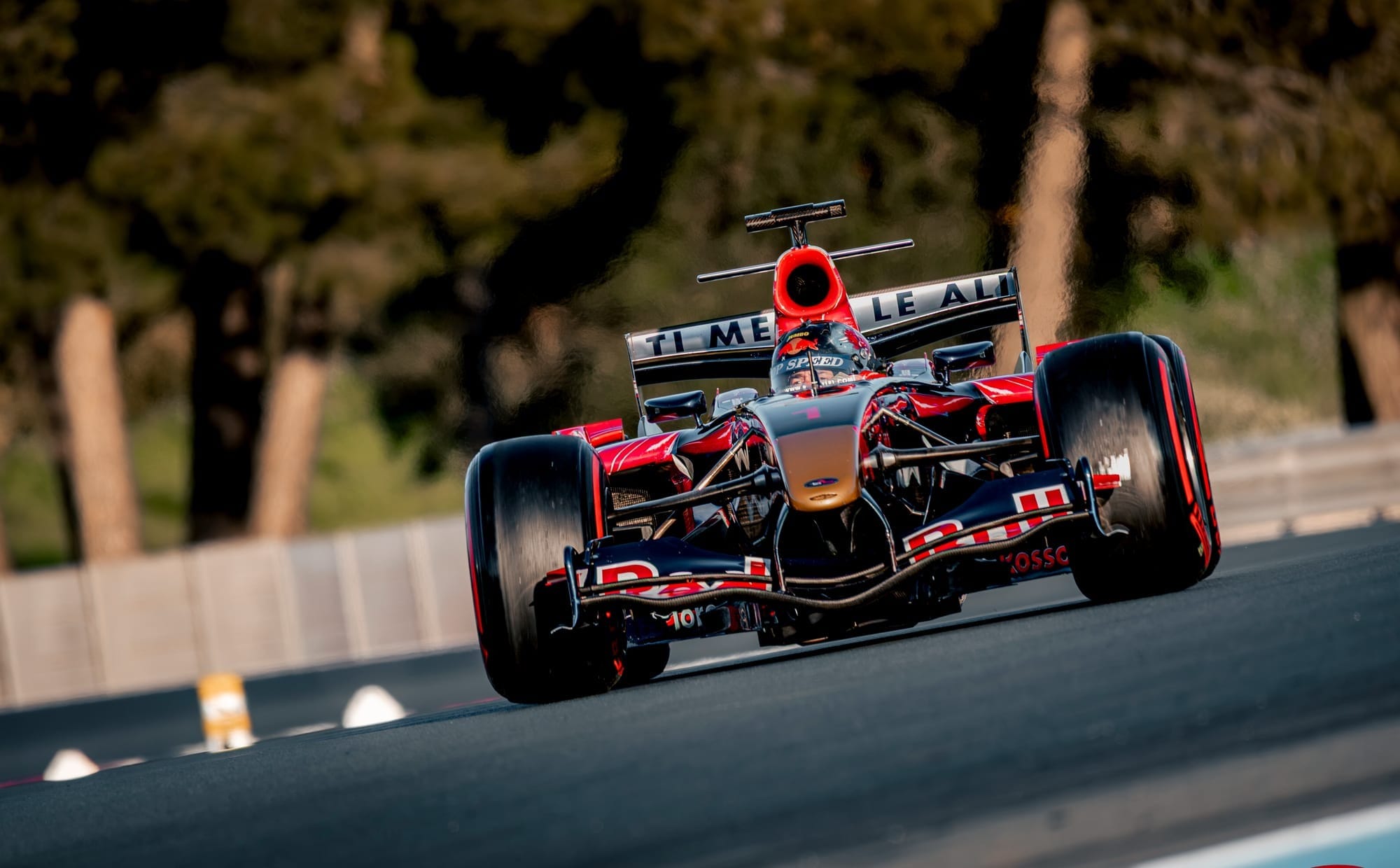
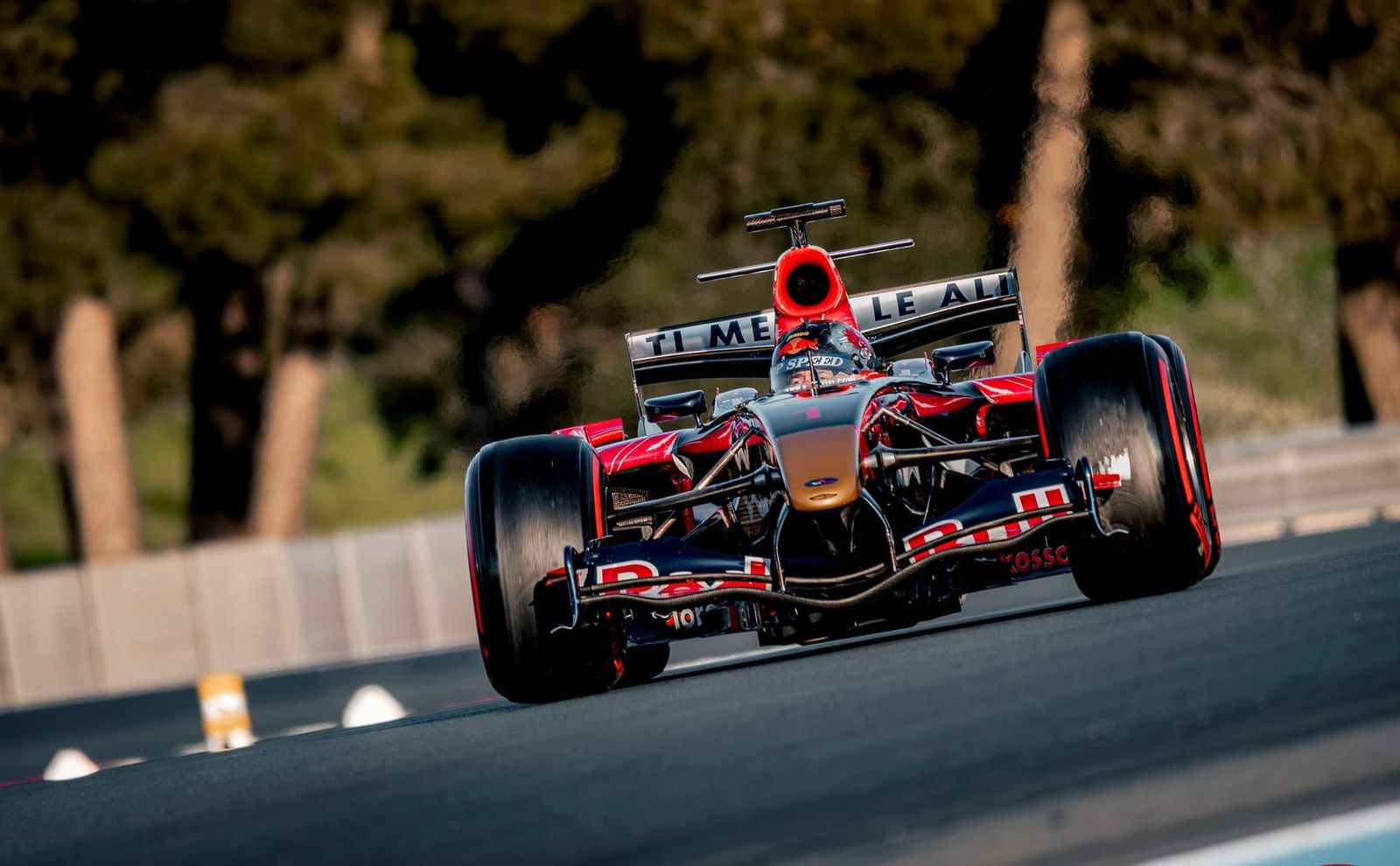
The 2006 Toro Rosso STR1, driven by Austrian racer Ingo Gerstl, provided the unmistakable sight and sound of a genuine Formula One car.
Powered by a naturally aspirated 3.0-litre Cosworth V10, the Toro Rosso offered spectators a reminder of an era when Formula One engines produced some of the most distinctive sounds in motorsport.
Despite its impressive pedigree, Gerstl did not dominate the weekend.
The first BOSS GP race was won by Japanese driver Juju Noda, driving a Dallara World Series V8 T12 Evo, while Italian driver Simone Colombo claimed victory in the second race.
Marco Ghiotto secured the Formula championship title, while Paul O'Connell was crowned World Series champion.
For photographers, the mixture of historic Formula One machinery and more recent GP2 and World Series cars provided a fascinating opportunity to capture different generations of single-seater racing.
Historic GTs, Touring Cars and Porsche Racing
The other support categories offered an equally varied programme.
In ASAVE Racing 65, Guillaume Mahé enjoyed a perfect weekend, claiming both victories aboard his Shelby Cobra Daytona.
ASAVE Racing 76 produced two different winning crews. Jean-Jacques and Johan Renaut took victory in the opening race with their 1975 Porsche 911 3.0 RS, while German driver Edgar Salewsky won the second.
The Trophée Lotus delivered one of the closest finishes of the meeting. Dominique Vulliez won the first race by just 0.062 seconds over Nicolas Beloou, before Beloou reversed the result in the second encounter.
Meanwhile, Ferdinand Cup Nextgen celebrated more recent generations of Porsche racing machinery, including the 996 Cup, Boxster and Cayman.
Cédric Toison, driving the #911 Porsche 996 Cup for NAD System by HRT, completed a convincing double victory.
Together, these five championships offered a remarkable contrast in racing machinery, driving styles and generations.
Following Moderne Racing Team Behind the Scenes
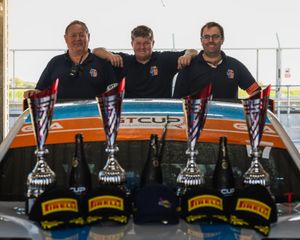
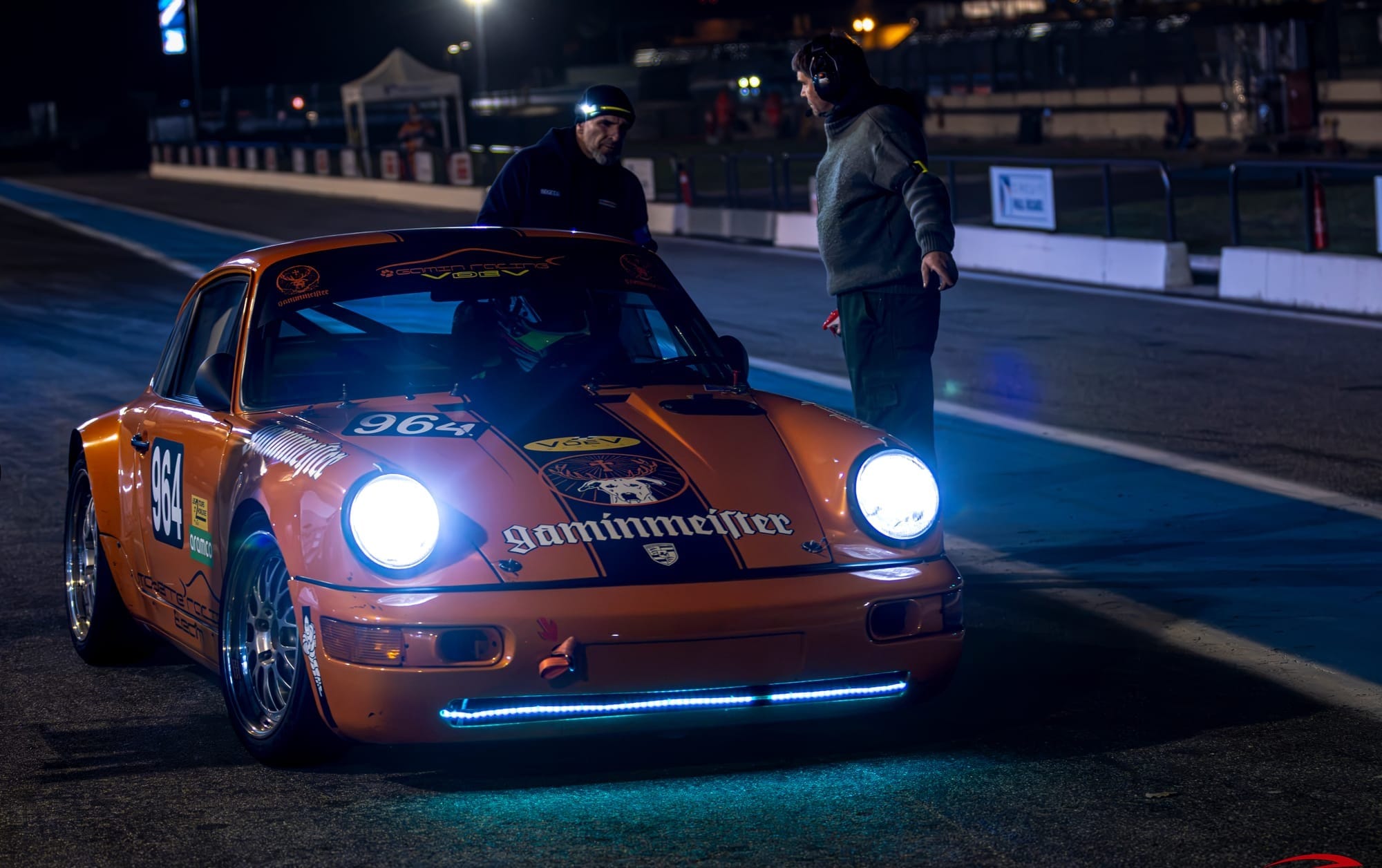
For this edition of Les 2 Tours d’Horloge, I had the opportunity to follow Moderne Racing Team, which entered the striking orange #964 Porsche 964.
Shared by Fabio Spirgi, Mikael Lambotte, Richard Feller and Guido Gri, the car provided the team with an exciting challenge against some particularly competitive Porsche opposition.
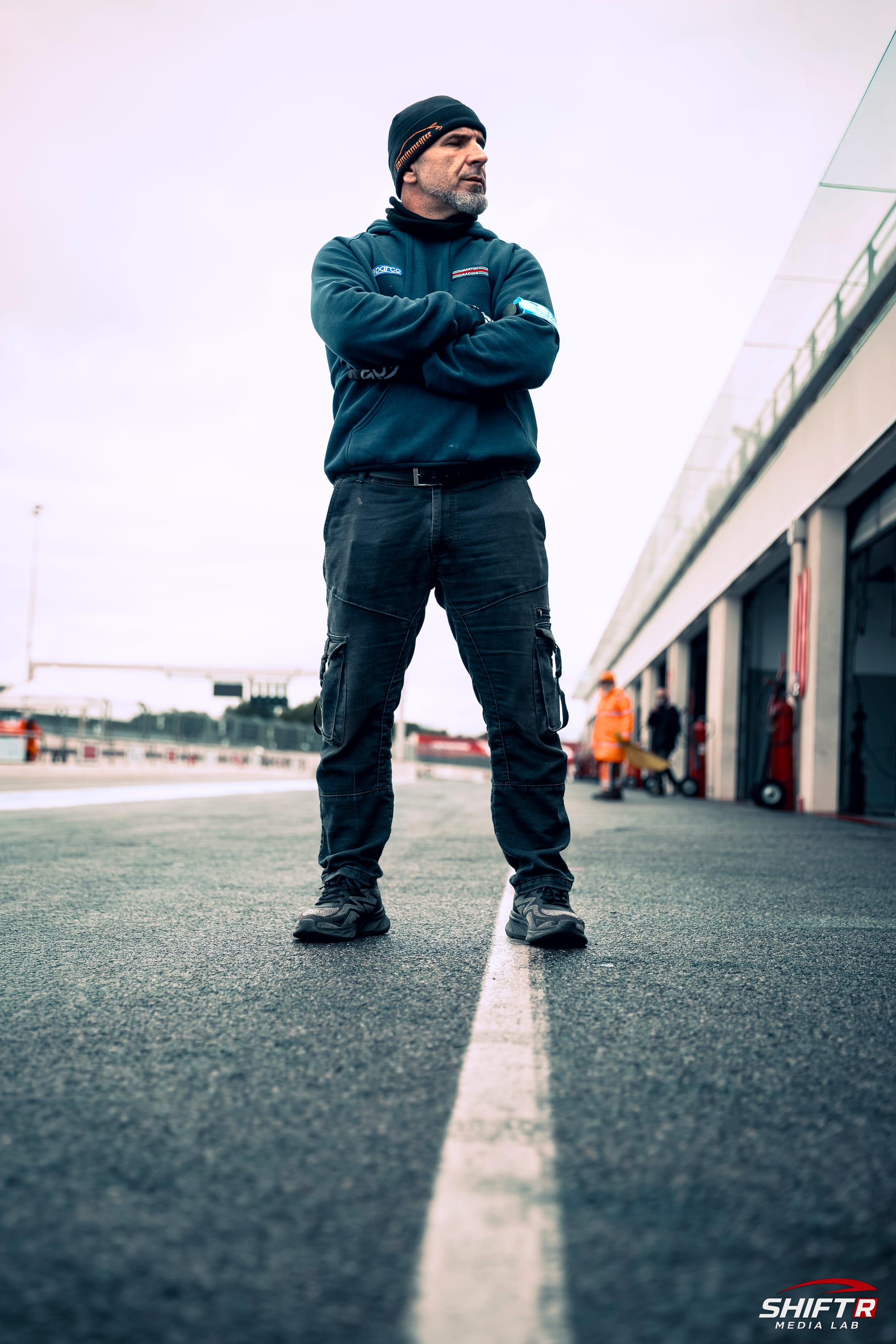
Throughout the weekend, my work was to document the team's participation both on and off the circuit, capturing not only the car in action but also the people and moments that make an endurance race possible.
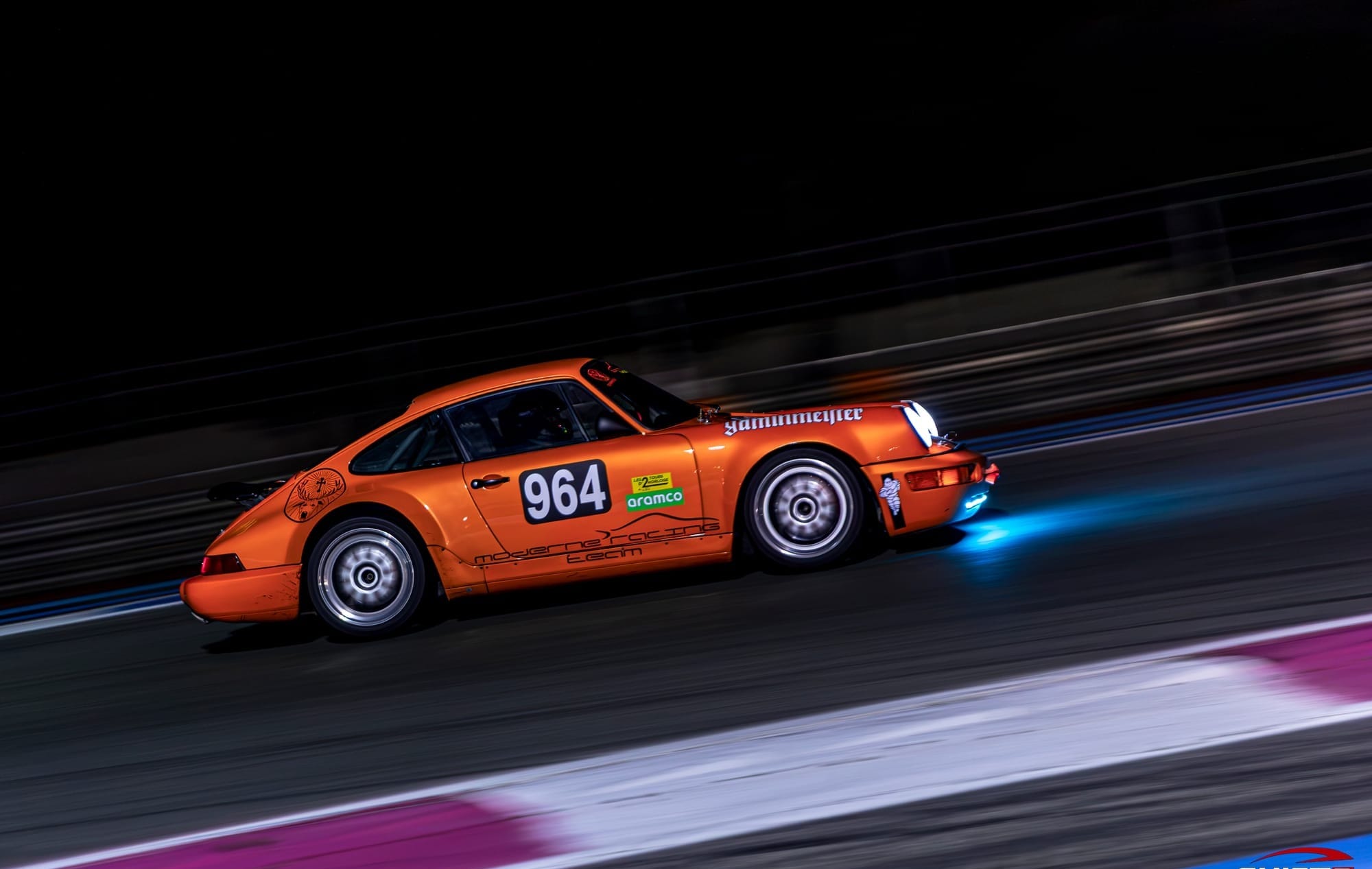
A 24-hour race offers a particularly interesting environment for photography.
Unlike shorter meetings, where attention is often concentrated on a handful of sessions, endurance racing allows the story to develop over time.
The atmosphere changes constantly.
During daylight, the paddock is filled with preparation, movement and anticipation. As evening approaches, the light becomes warmer and the circuit takes on an entirely different appearance.
At night, artificial lighting transforms the pitlane into a world of reflections, deep shadows and intensely coloured highlights.
For a photographer, these conditions provide opportunities to create images that extend beyond traditional motorsport action photography.
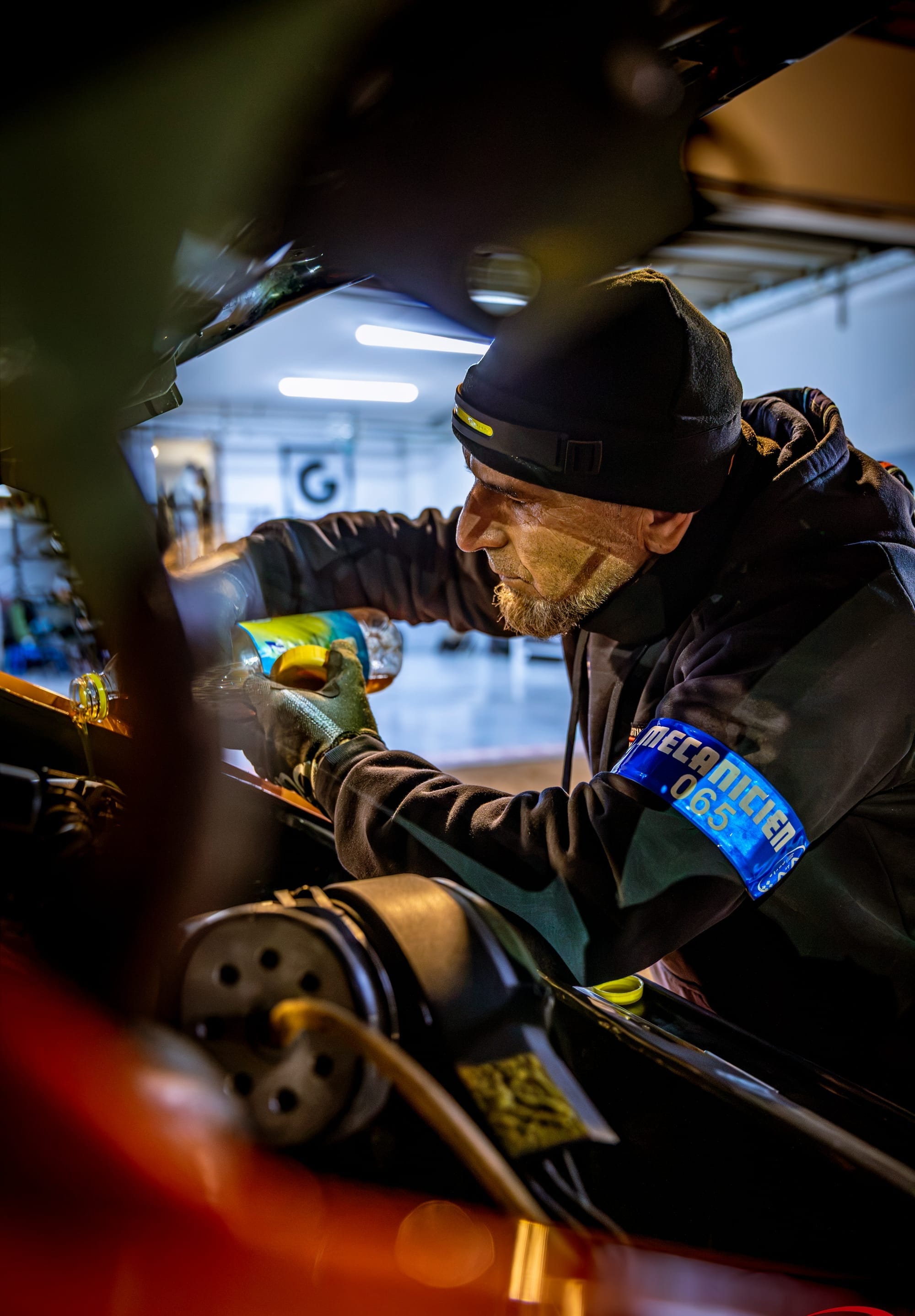
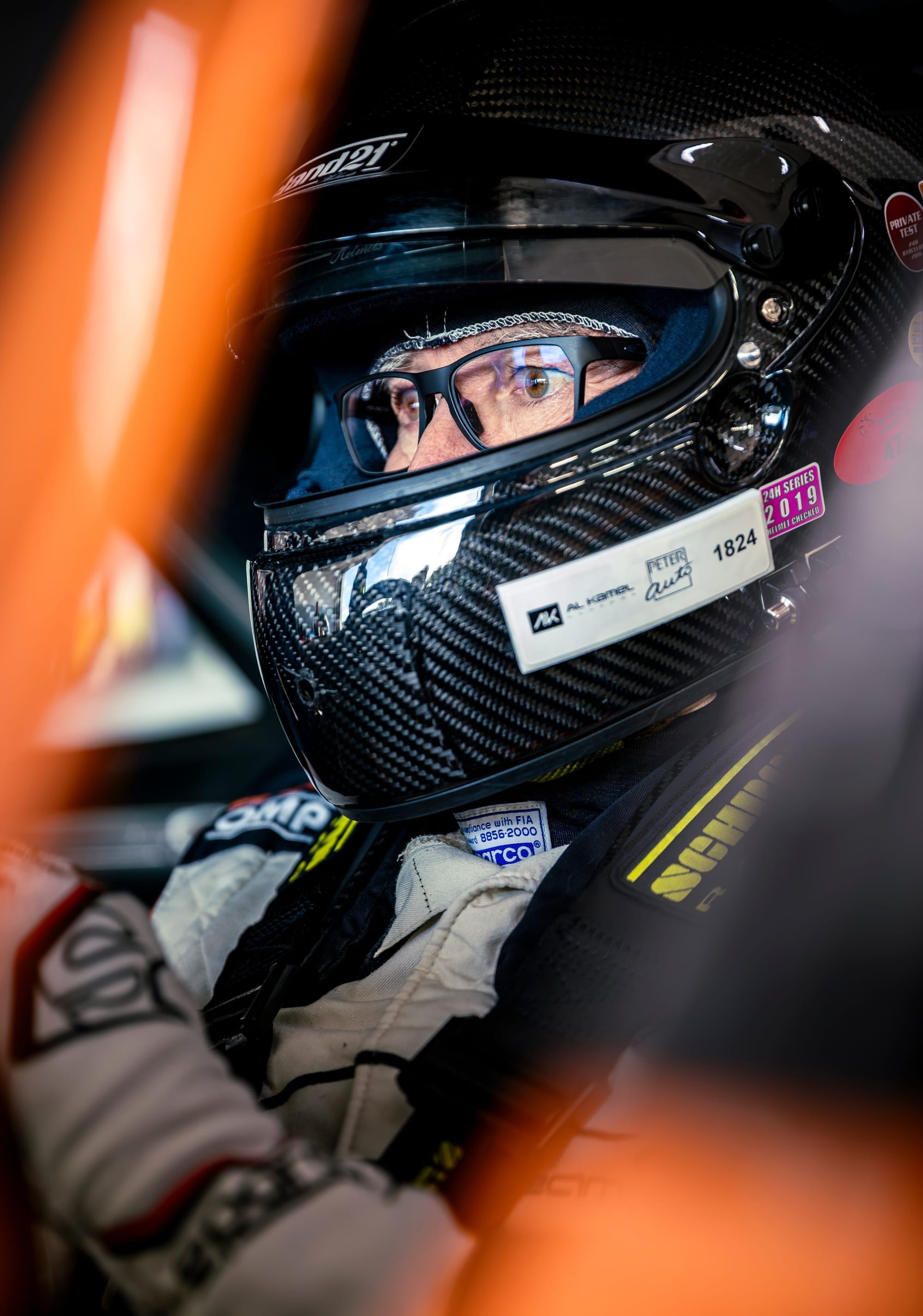
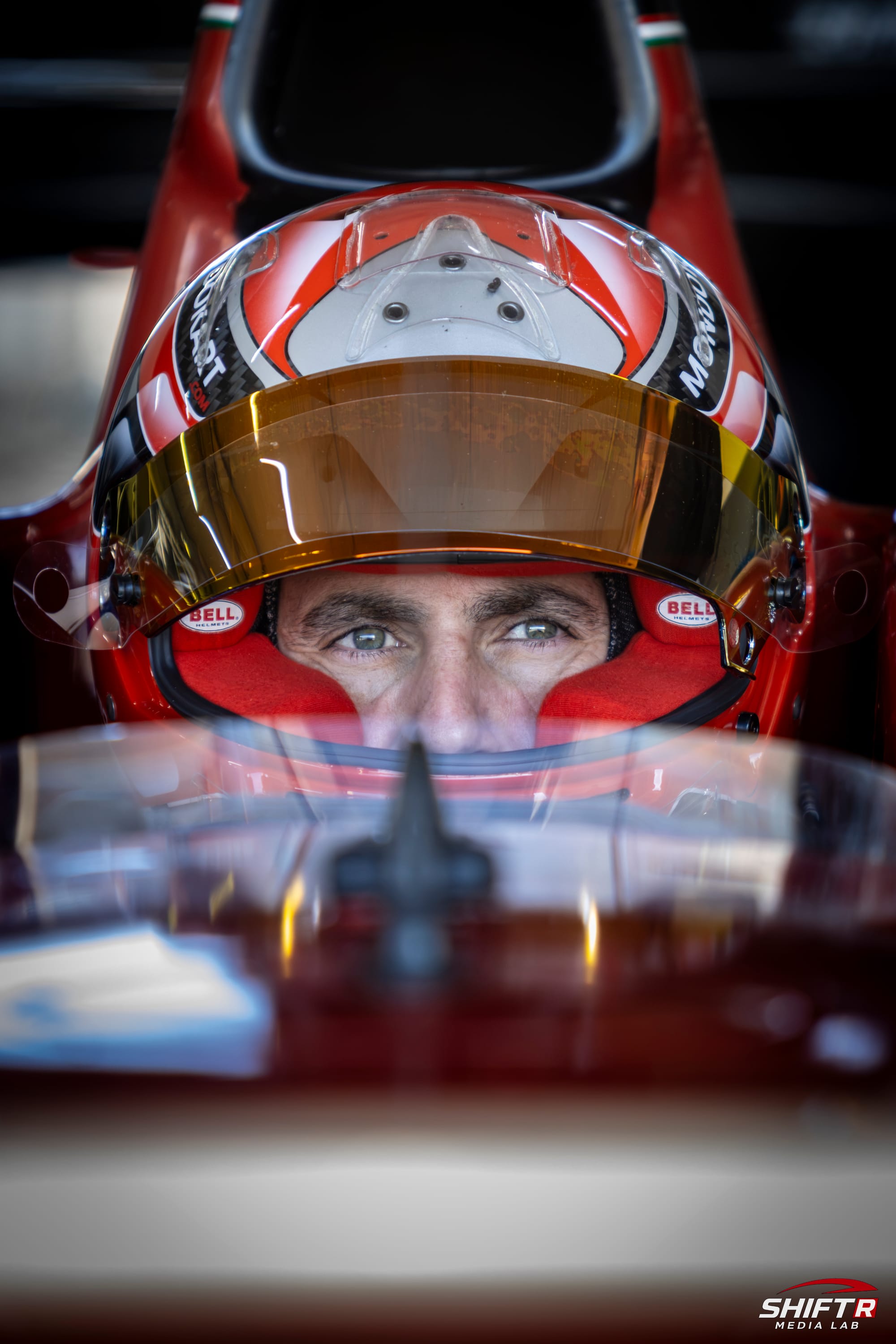
Following the team also meant paying attention to the smaller details: a driver preparing to enter the cockpit, a mechanic concentrating on a repair, a conversation between team members or the quiet moments separating two demanding stints.
These are often the photographs that reveal the human side of motorsport.
They document the work, patience and commitment required to compete in an event where simply reaching the finish line represents a significant achievement.
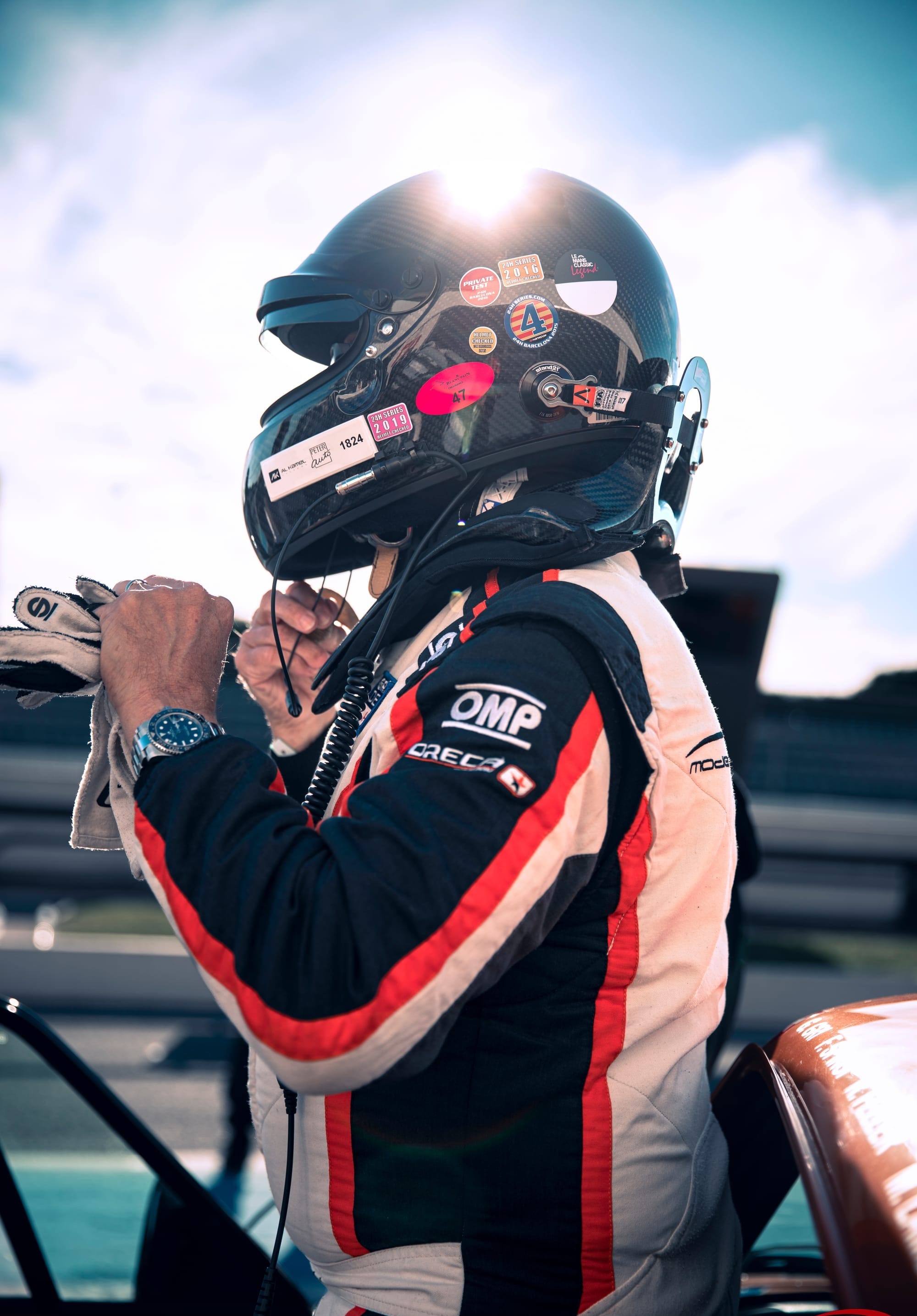
On track, the #964 Porsche remained competitive throughout the race, eventually securing an impressive fifth place overall, just outside the podium positions in the Porsche 964 category.
For Moderne Racing Team, it was a strong result at the end of a demanding weekend.
For me, the experience offered another opportunity to develop a more complete approach to motorsport photography, combining racing action, portraits, mechanical preparation and documentary storytelling.
More Than Just Racing
What makes Les 2 Tours d’Horloge particularly memorable is the atmosphere surrounding the competition.
Historic motorsport has a different relationship with time.
Many of these cars were built decades ago, yet they continue to be driven at racing speeds, maintained by dedicated mechanics and entrusted to drivers determined to compete rather than merely demonstrate their machines.
At Le Castellet, that commitment becomes especially visible during the night.
The paddock gradually grows quieter, but the work never really stops.
While spectators watch headlights cutting through the darkness, mechanics continue preparing cars for the next stint, checking components and addressing the inevitable mechanical problems.
One of the event's longstanding traditions captures its distinctive spirit particularly well: the serving of onion soup at midnight to drivers, mechanics, marshals and officials.
It is a small but memorable reminder that, beyond the competition, historic endurance racing remains a community built around a shared passion.
The 2026 edition also demonstrated how dramatically the same circuit can change in just a few hours.
Saturday's sunshine and golden evening light eventually gave way to Sunday morning's rain, producing spectacular sprays of water behind the racing cars and demanding even greater concentration from their drivers.
For photographers, those changing conditions created some of the weekend's most compelling images.
The contrast between glowing headlights at night, reflections on wet asphalt and the dramatic skies above the Circuit Paul Ricard provided an extraordinary range of visual opportunities.
Keeping the Spirit of Endurance Racing Alive
Les 2 Tours d’Horloge is far more than a gathering of historic racing cars.
It is a genuine endurance competition, one that challenges drivers and teams to push ageing machinery through 24 hours of demanding racing.
The 2026 edition brought together everything that makes this discipline so fascinating: spectacular cars, mechanical challenges, changing weather conditions, remarkable recoveries and the constant uncertainty of endurance racing.
The victory of the Chevron B19, the intense Porsche battles, the presence of a genuine Formula One car in BOSS GP and the variety of support championships made the weekend a particularly memorable celebration of motorsport.
For me, following Moderne Racing Team added another dimension to that experience, providing the opportunity to document the human effort behind the competition.
Because the greatest stories in motorsport are not always told by the fastest cars or the winning drivers.
Sometimes, they are found in the garage at three in the morning, in the concentration of a mechanic, or in the exhausted satisfaction of a team that has finally reached the finish line.
At Les 2 Tours d’Horloge, motorsport history doesn't stand still.
It races through the night.
Photography and report: Régis Ghibaudo | Shift-R Media Lab
Event: Les 2 Tours d’Horloge 2026 | Circuit Paul Ricard, France
Images Courtesy of Shift-R Media Lab