.
French Formula 4 | Circuit de Nevers Magny-Cours |
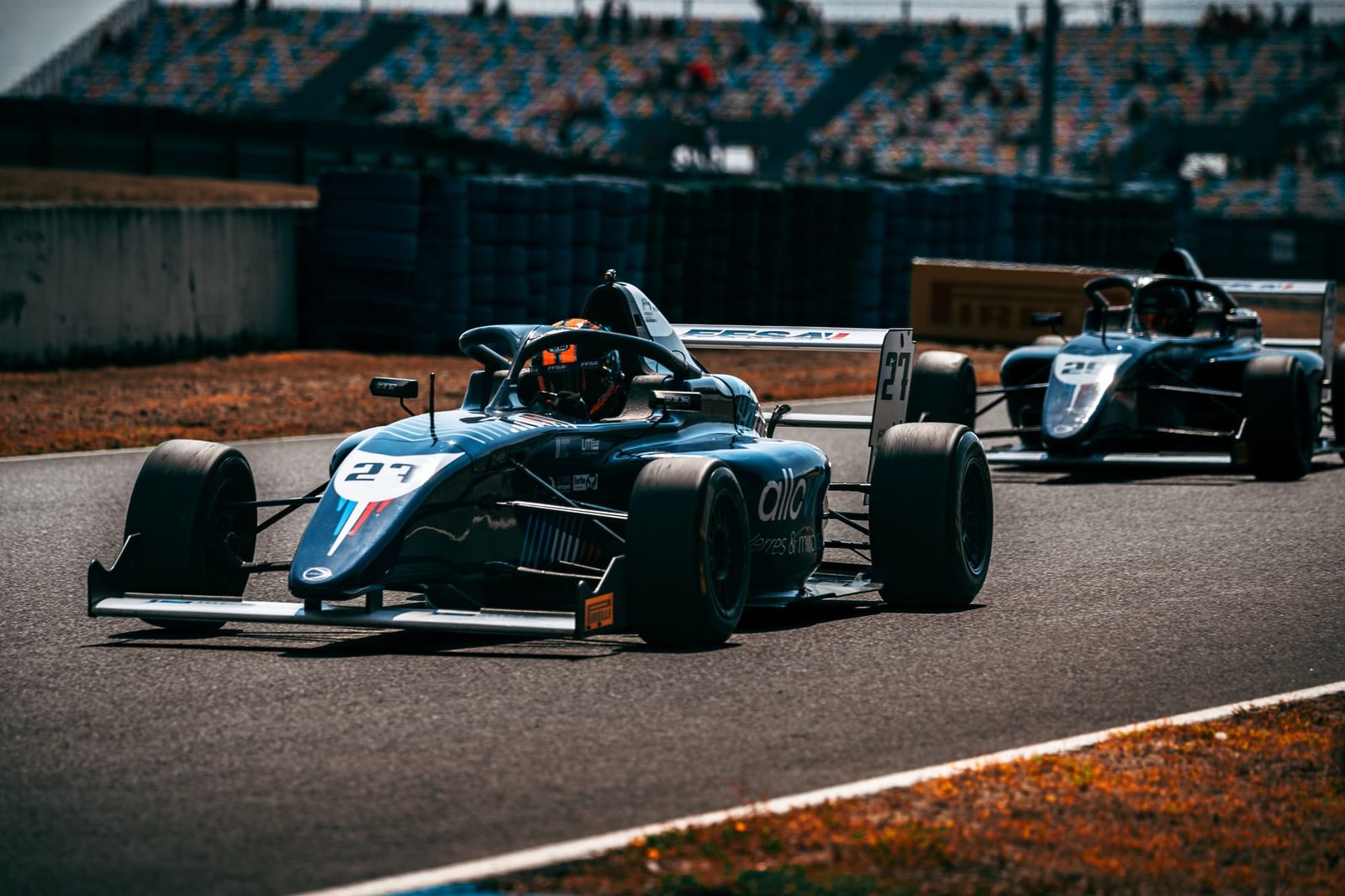
The French Formula 4 Championship arrived at the Circuit de Nevers Magny-Cours with the title fight entering a crucial stage of the season. By the end of the weekend, three races had delivered three very different stories: qualifying dominance from Matthéo Dauvergne, a breakthrough victory for Thibaut Ramaekers and, ultimately, a statement win from Guillaume Bouzar.
Across the weekend, the balance of power repeatedly shifted. Pole position did not guarantee victory, the reversed-grid format threw the established order into uncertainty, and the final race produced the kind of late-race battle that can define a championship campaign.
For Bouzar, the weekend ended with another victory and renewed momentum. For Ramaekers, it was arguably his strongest all-round weekend of the season. And for Dauvergne, it was a reminder that raw qualifying pace is only part of the equation in French F4.
Dauvergne Puts His Marker Down With Double Pole Position in Closely Fought Qualifying
The weekend began under the pressure of a tightly matched qualifying session, with Magny-Cours offering little room for error thanks to its combination of high-speed sections and technical corners that reward precision. In such a competitive field, even the smallest mistake had the potential to reshape the starting order.
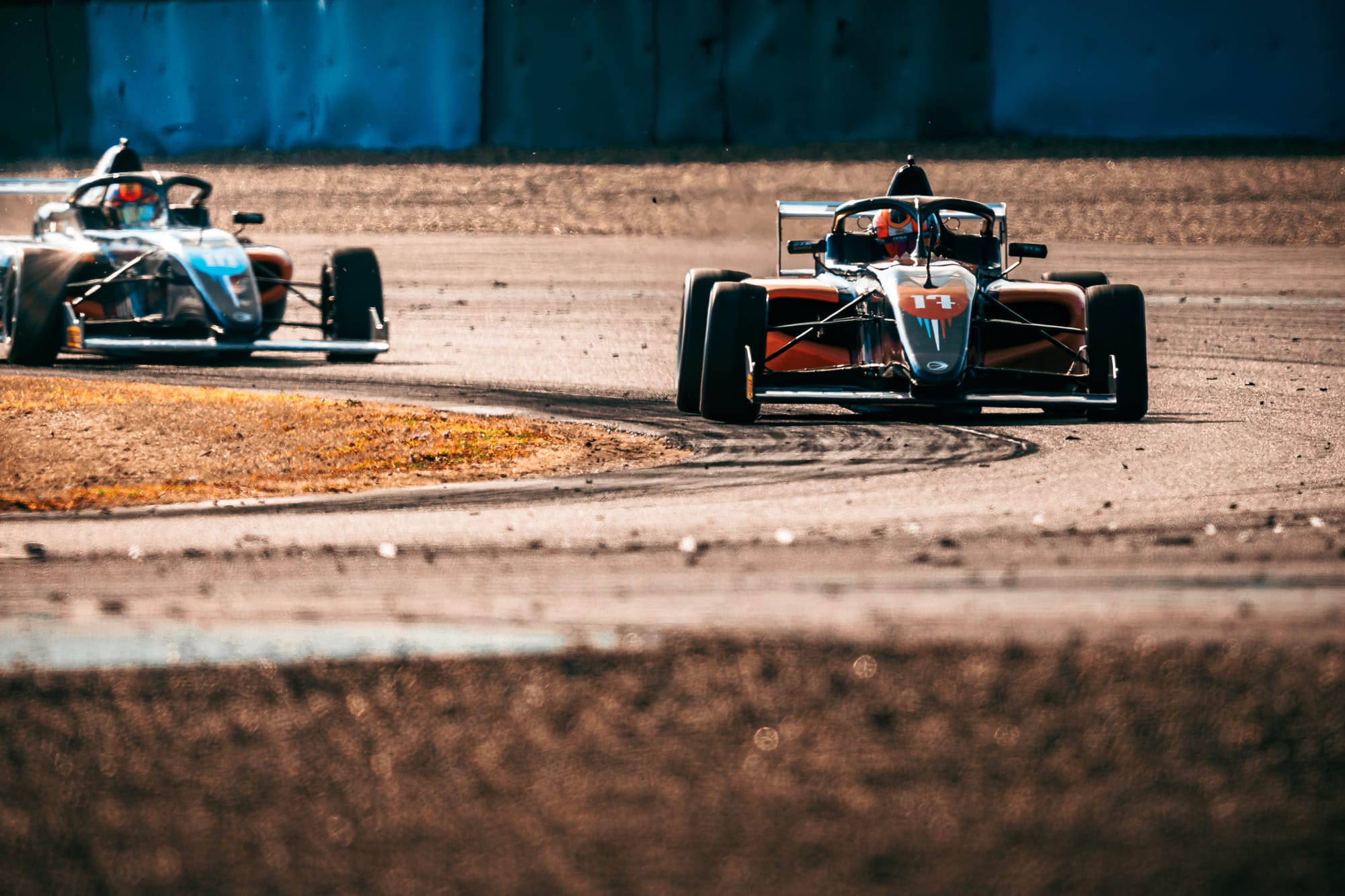
Matthéo Dauvergne rose to the challenge, delivering the fastest lap of the session to secure double pole position and placing himself at the front of the grid for both Race 1 and Race 3. Behind him, the margins were extremely fine, with Thibaut Ramaekers second on a 1:41.178 and Kota Tsuchihashi just behind on 1:41.276, while Yuval Rosen remained within a tenth of Ramaekers in fourth and Guillaume Bouzar stayed firmly in contention with the leading group.
The closeness of the times immediately set the tone for a weekend that looked set to be decided by fractions rather than clear gaps, with Dauvergne’s performance confirming that he had the outright pace to control both the opening and final races if he could convert it under pressure.
Ramaekers Takes Control in a Safety Car-Interrupted Opening Race
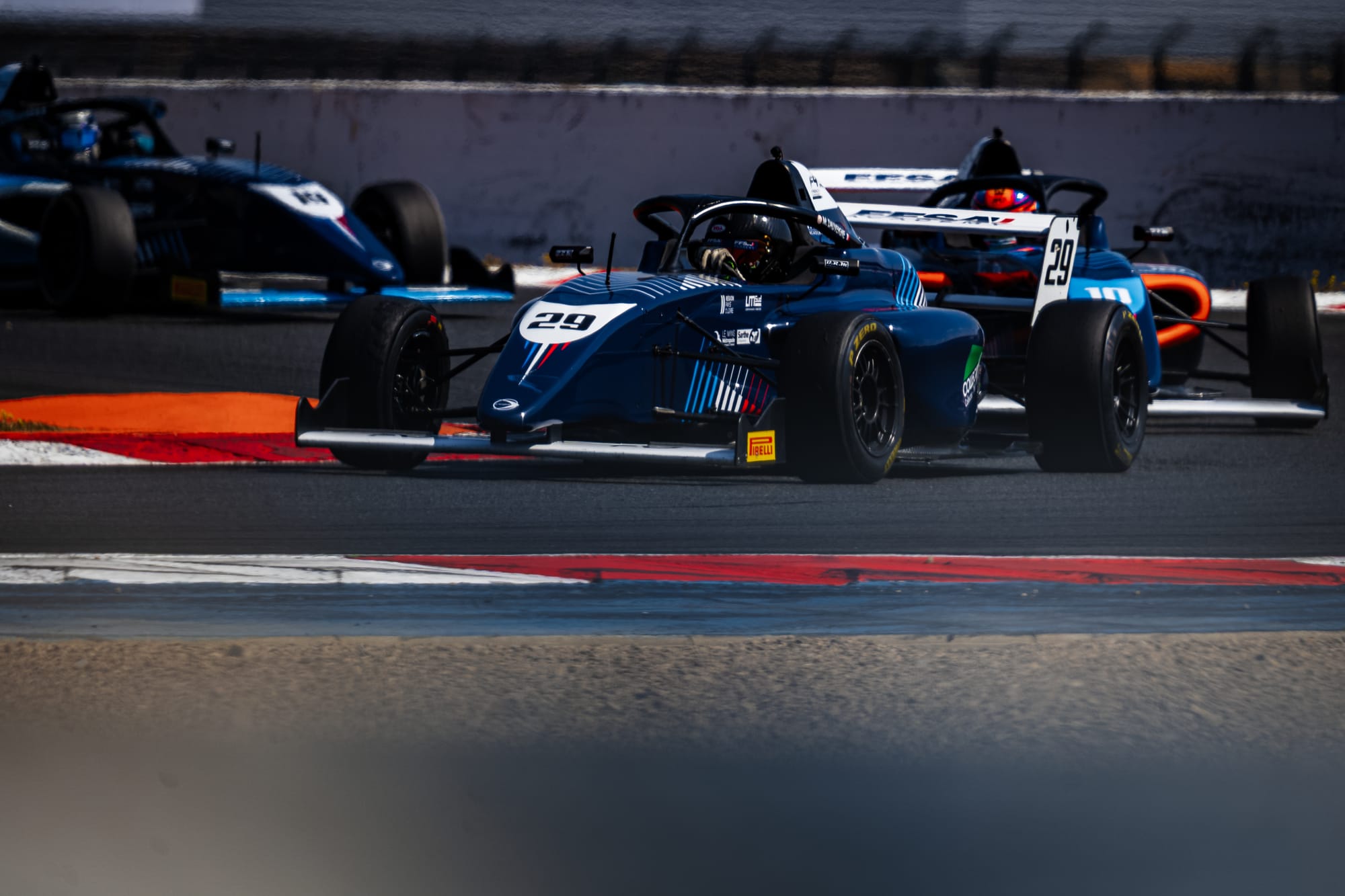
Race 1 quickly proved that conversion would not be straightforward, as multiple Safety Car periods disrupted the rhythm of the 13-lap contest and turned it into a race defined by restarts, tyre management and precision under pressure. While Dauvergne held his pole advantage at the start, the interruptions repeatedly reshuffled the field and prevented any driver from fully settling into a rhythm.
Thibaut Ramaekers adapted best to the changing conditions, keeping himself consistently at the front of the pack before eventually taking control of the race and bringing it home for victory. Behind him, Kota Tsuchihashi finished just 0.694 seconds adrift, with Tom Dussol completing the podium a further 1.605 seconds back, while Dauvergne slipped to fourth, 2.283 seconds from the win despite his strong starting position.
The result underlined a key theme of the championship: while qualifying pace is crucial, race execution under pressure is what ultimately defines success, and Ramaekers had delivered on both fronts by converting his speed into a controlled and decisive victory.
The Reversed Grid Turns the Championship Order Upside Down in Race 2
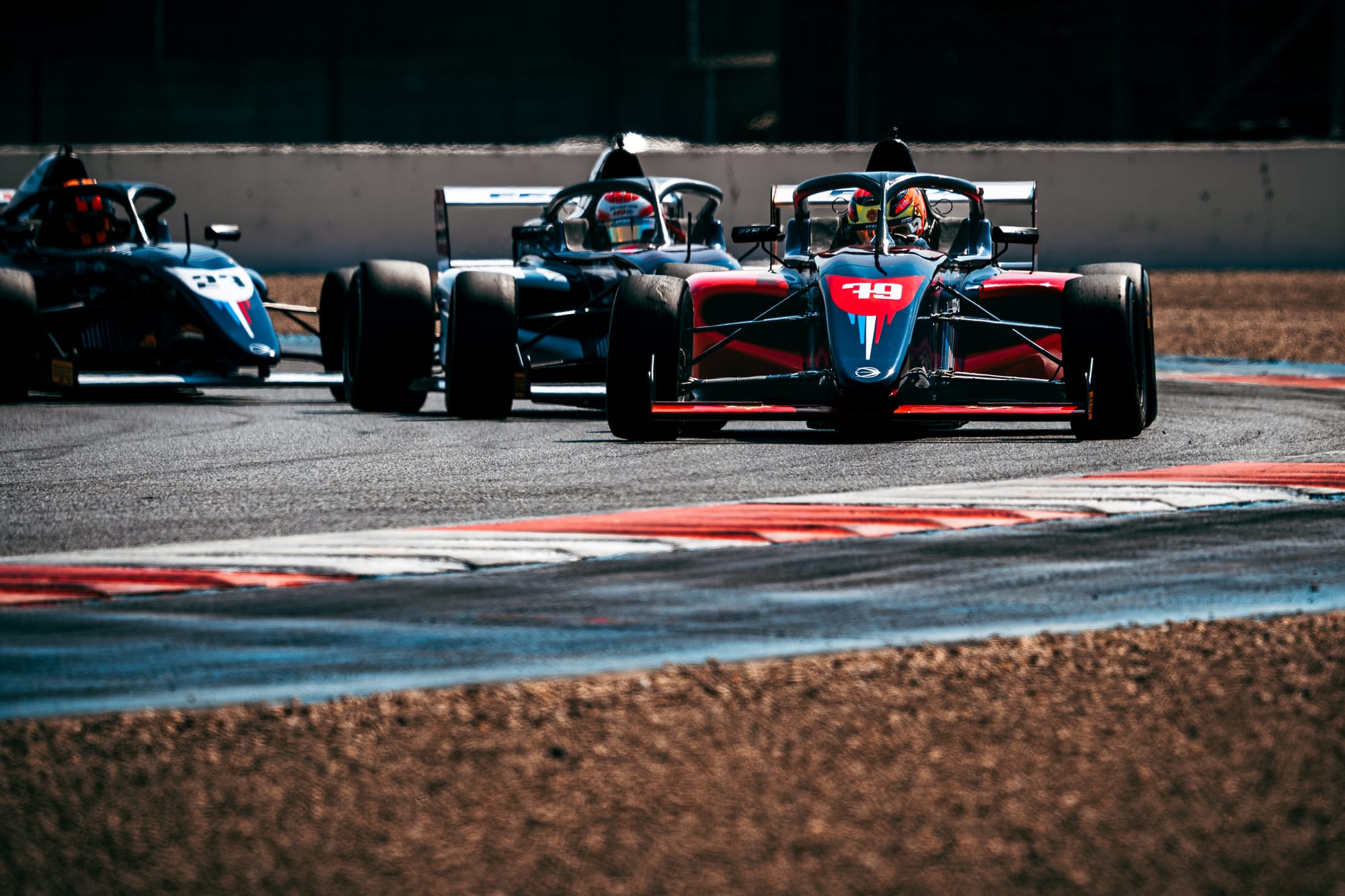
Race 2 introduced a completely different challenge as the reversed-grid format reshaped the competitive order and placed the usual front-runners in traffic while giving others the opportunity to fight at the sharp end. The result was a far more unpredictable race, where overtaking, defensive driving and tyre preservation became just as important as outright pace.
The atmosphere was heightened even before the start, with a grid walk organised by SRO and FFSA bringing fans closer to the cars and drivers and adding to the sense of occasion around the second race of the weekend. Once the lights went out, the field immediately split into tightly contested battles, with drivers forced to adapt quickly to unfamiliar positions and constant pressure from both ahead and behind.
For Ramaekers, already a winner earlier in the day, the focus shifted to maintaining consistency and securing valuable points, while Dauvergne and the other front-runners faced a more complex challenge as they worked their way through traffic. By the end of the race, the championship picture had become even more finely balanced, with no clear advantage emerging from the reshuffled order.
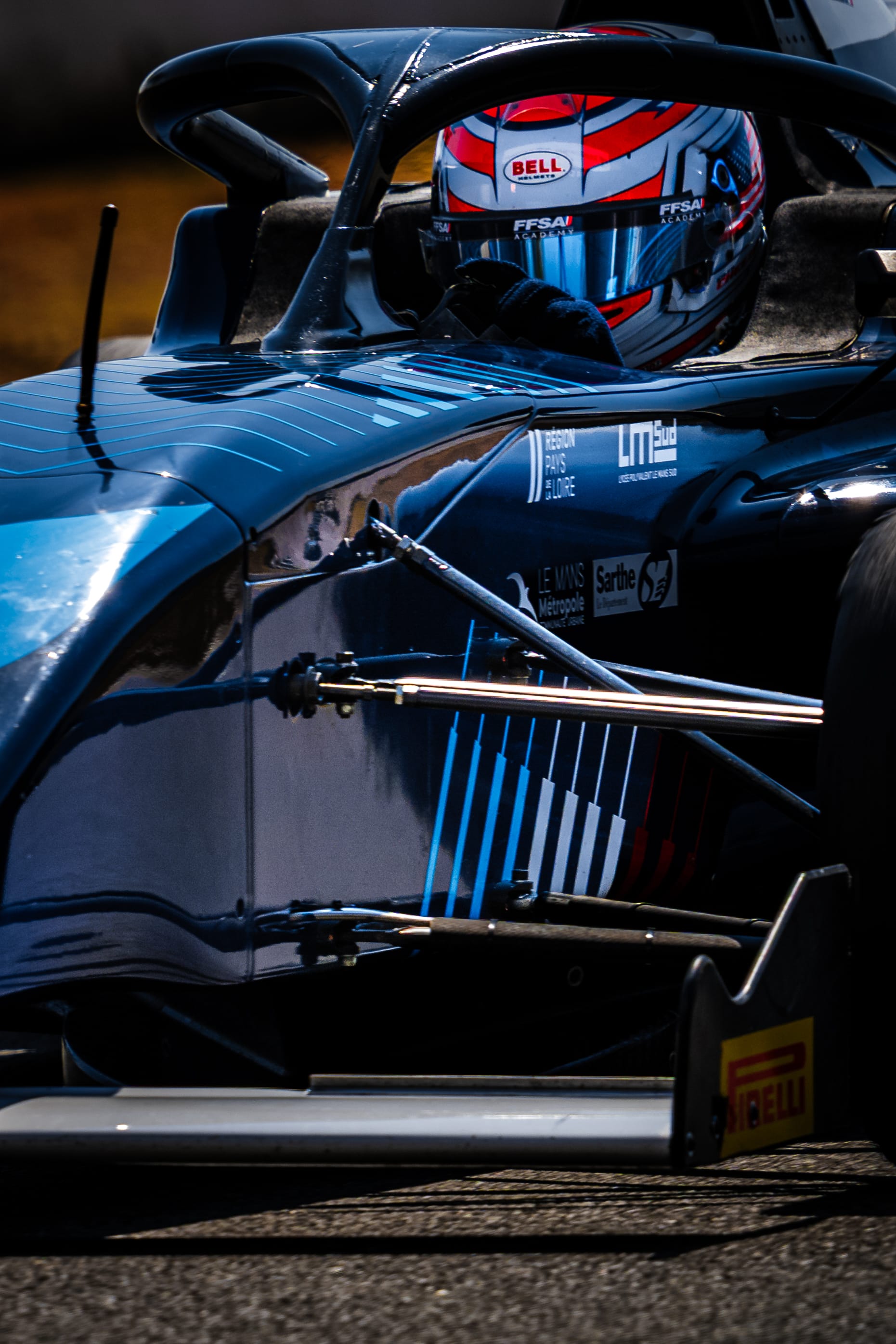
Bouzar Waits for His Opportunity and Strikes When the Moment Arrives in Race 3
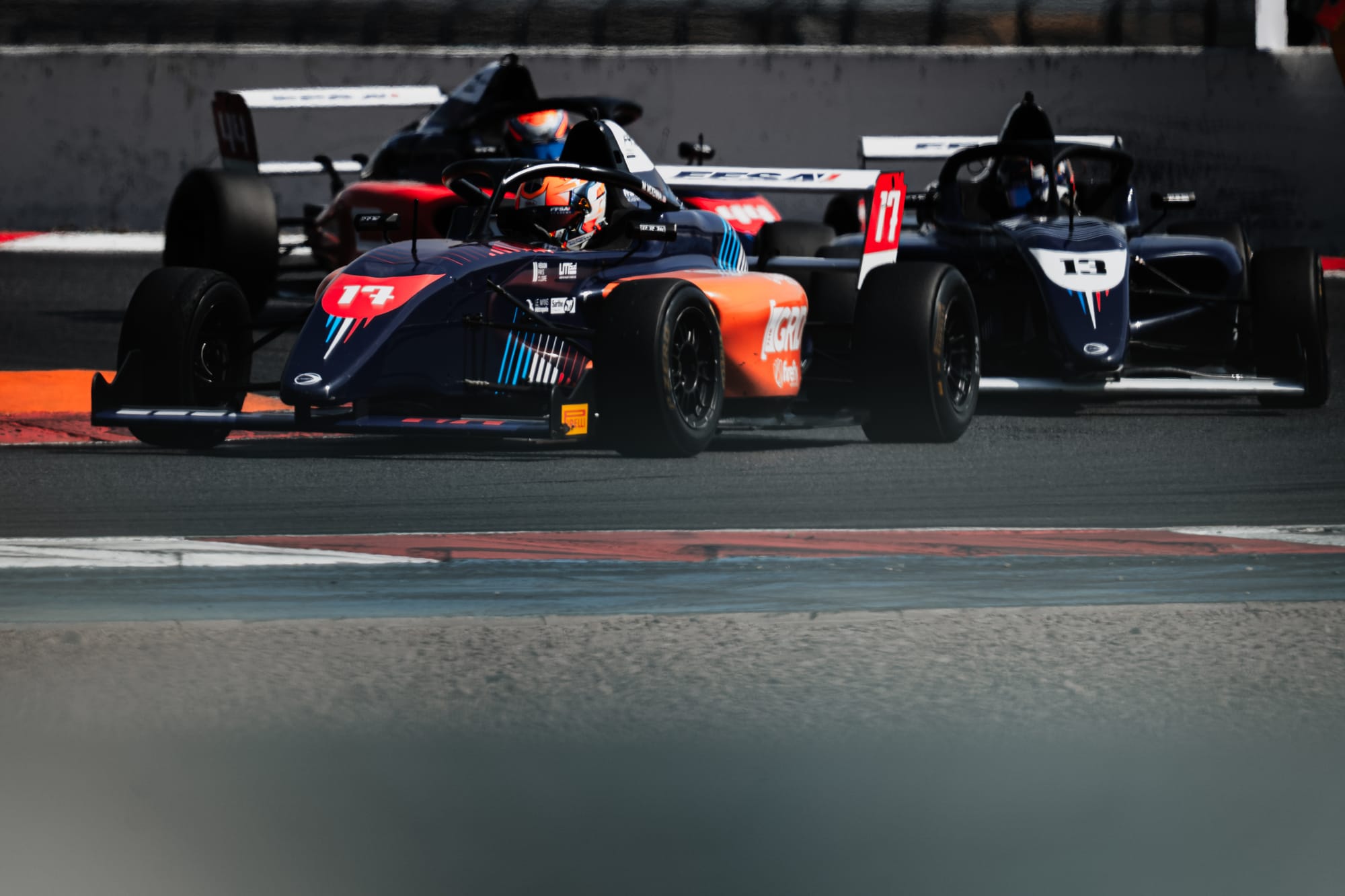
With Race 3 restoring the original qualifying order, the leading drivers once again found themselves at the front of the grid, and Dauvergne initially held firm in the lead as the race began to develop into a tightly packed battle. Ramaekers applied constant pressure, while Tsuchihashi remained within striking distance, ensuring that the front group stayed closely bunched throughout the opening phase.
Unlike Race 1, however, the final contest unfolded without Safety Car interruptions, allowing strategy, tyre management and racecraft to play a decisive role over a longer, uninterrupted run. As the laps progressed, Guillaume Bouzar steadily emerged as a key threat, positioning himself within the leading group and waiting for the right moment to strike.
That opportunity came during a battle between Ramaekers and Dauvergne at the Nürburgring corner, where Ramaekers attempted a move on the race leader but compromised both cars in the process. Bouzar reacted instantly, capitalising on the situation to move into the lead and take control of the race at a crucial stage.
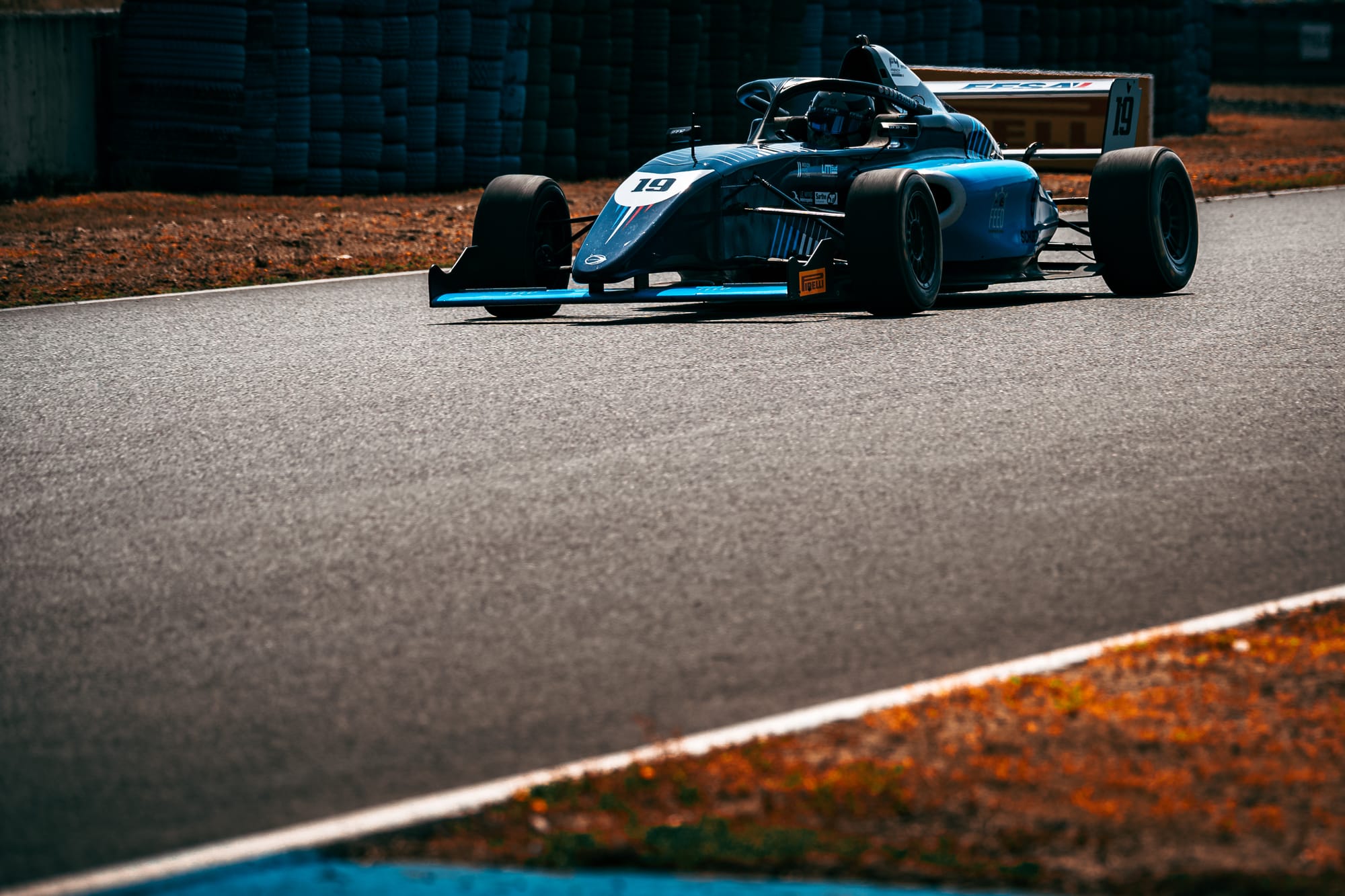
The Decisive Moment That Defined the Final Race at Magny-Cours
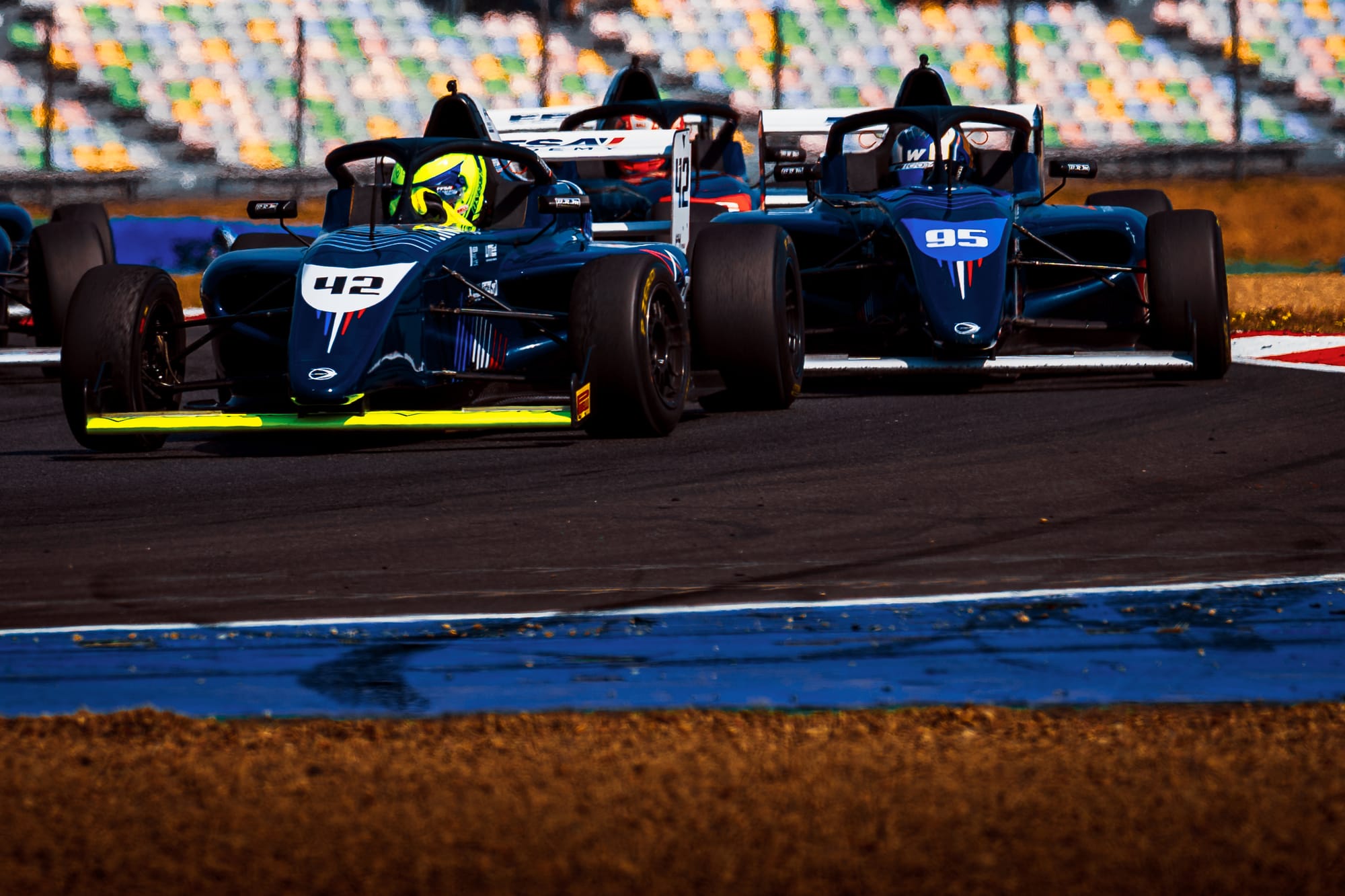
Once in front, Bouzar immediately established his rhythm and began to build a gap, managing his Pirelli tyres effectively while maintaining consistent pace as the race entered its final phase. Behind him, the fight for the remaining podium positions continued to unfold, but the Frenchman had already created the margin he needed to control the outcome.
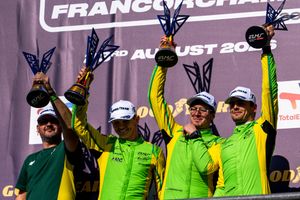
He ultimately crossed the line to secure his fifth victory of the 2026 season, with Ramaekers recovering to second to add another strong result to his weekend, and Tom Dussol completing the podium in third after another consistent performance. Tsuchihashi finished fourth, while Dauvergne ended the race in fifth after starting from pole, bringing a challenging but competitive weekend to a close.
The final classification only partially reflected the intensity of the race, with the decisive moments having taken place in the brief window of opportunity that Bouzar exploited to perfection.
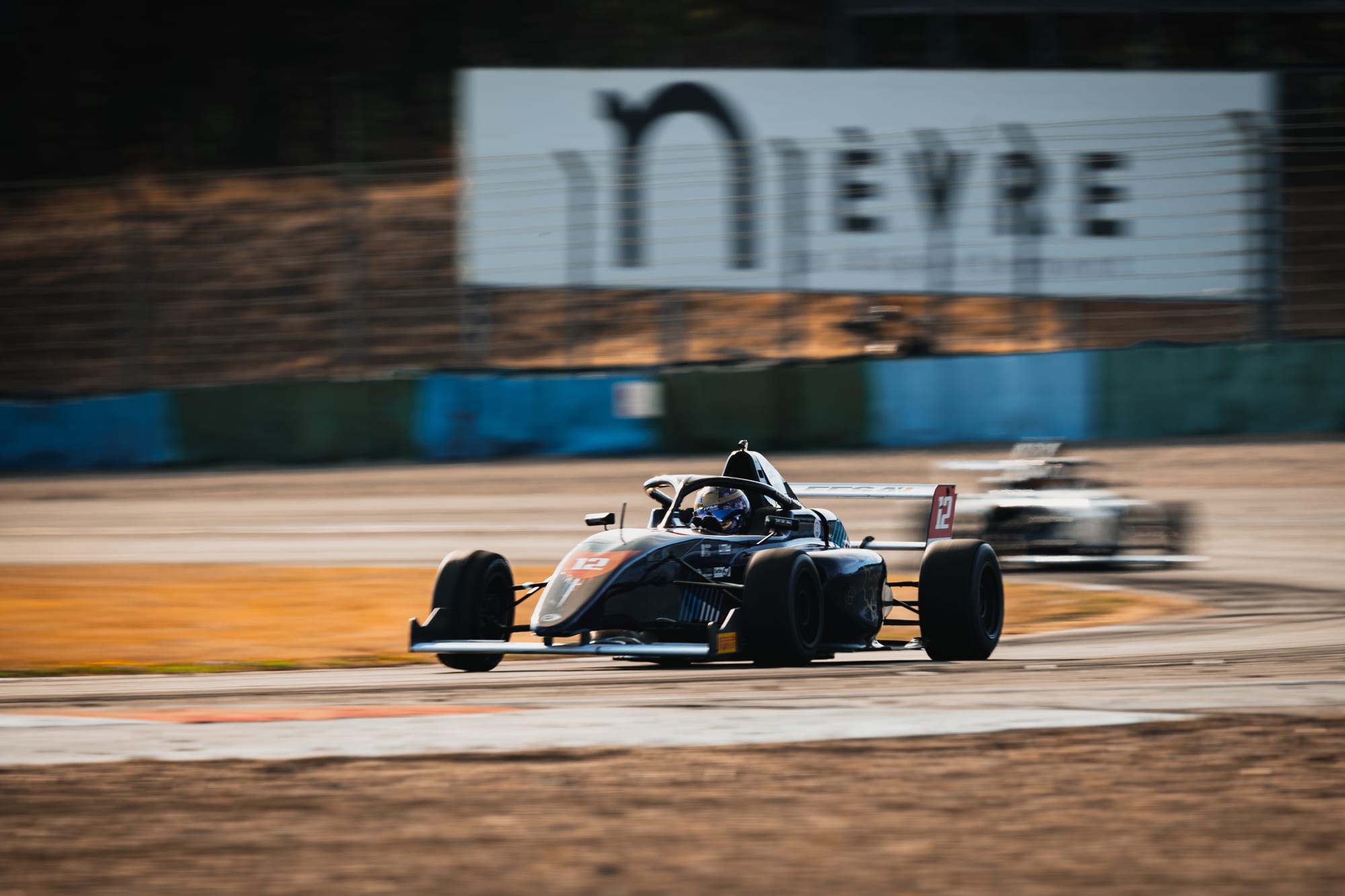
Three Drivers, Three Very Different Fortunes Across a Highly Competitive Weekend
For Guillaume Bouzar, Magny-Cours was a demonstration of timing and execution, as he did not need to dominate every session but instead maximised the moments that mattered most to secure another important victory in his championship campaign.
For Thibaut Ramaekers, the weekend highlighted remarkable consistency, combining a Race 1 victory with two further podium finishes to underline his ability to perform across different race formats and conditions while maintaining strong championship momentum.
For Matthéo Dauvergne, the story was one of contrasting fortunes, as his double pole position confirmed exceptional one-lap speed, but the races themselves exposed the challenges of converting that pace into results amid Safety Cars, reversed grids and intense wheel-to-wheel battles.
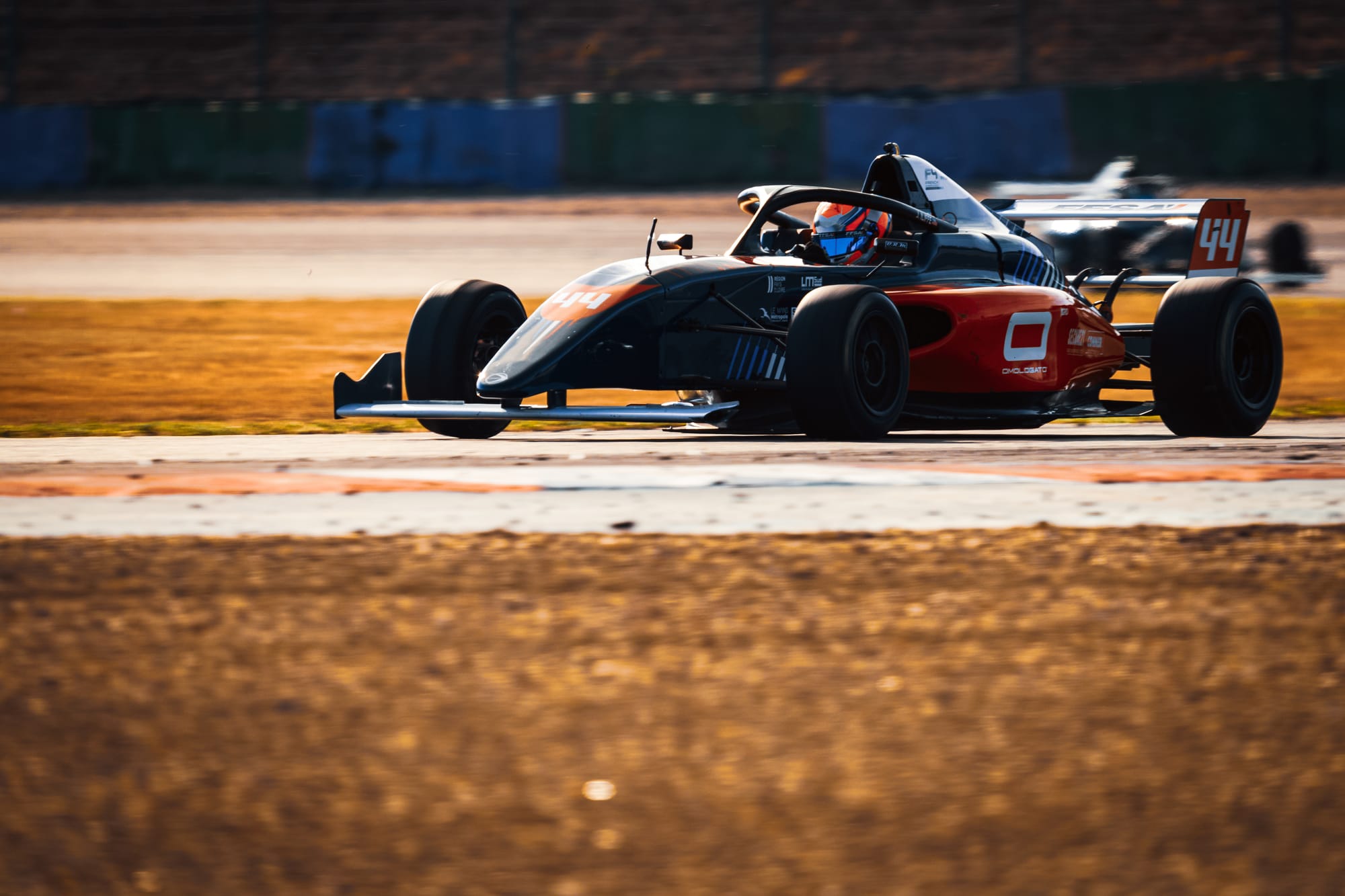
The Top Five After Race 3 in a Weekend Defined by Fine Margins
The final Race 3 classification reflected just how closely matched the leading group had been throughout the weekend, with Bouzar taking victory ahead of Ramaekers, Dussol, Tsuchihashi and Dauvergne, and only small gaps separating the front runners at the chequered flag.
Five drivers, three nationalities and a field separated by minimal margins underlined the competitive depth of the championship and the fine balance that defined every session at Magny-Cours.
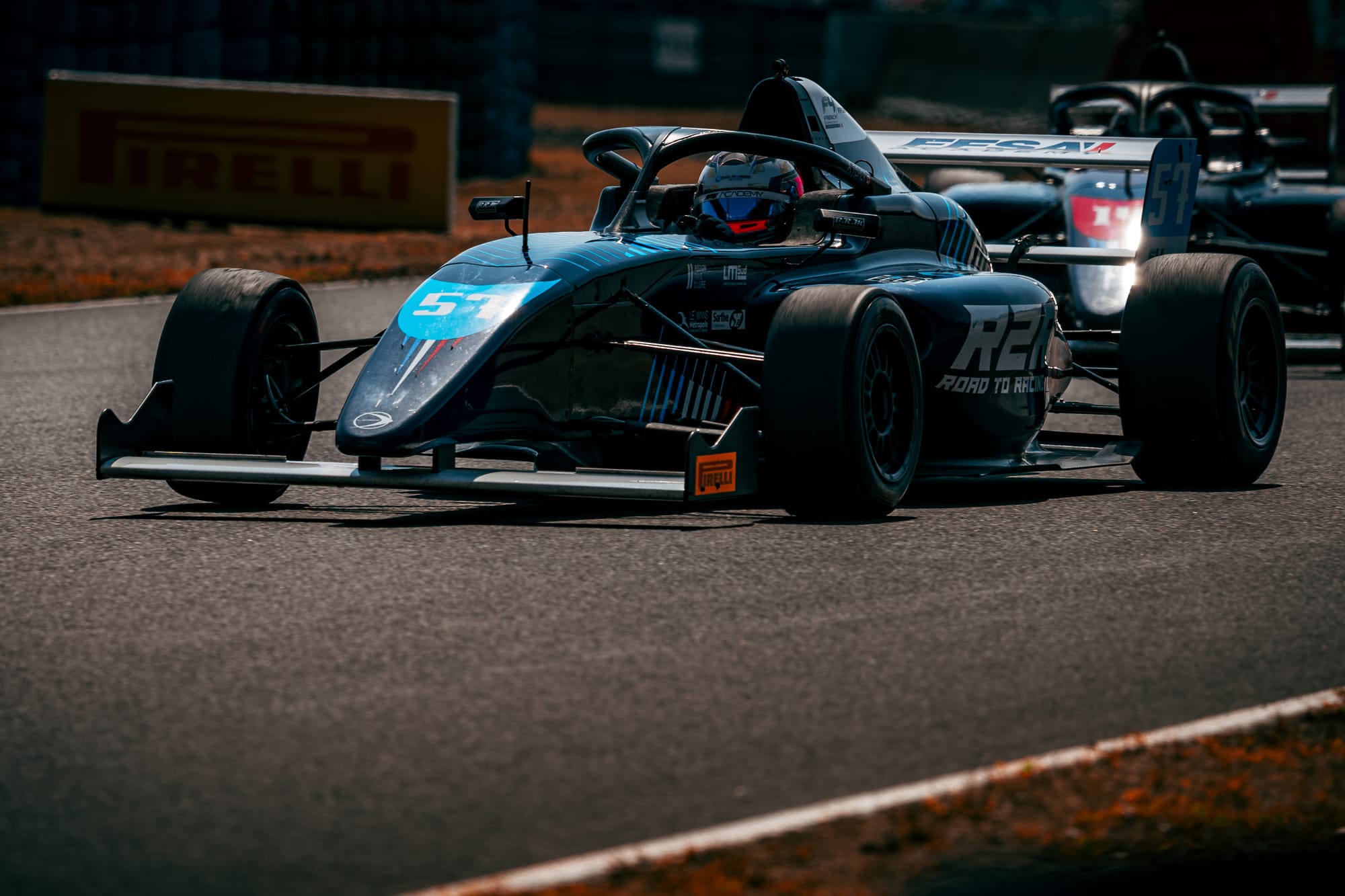
More Than Just Another Race Weekend in the 2026 French F4 Season
Magny-Cours ultimately proved to be a showcase of the different paths to success in Formula 4, with Dauvergne highlighting the importance of single-lap performance, Ramaekers demonstrating consistency and adaptability across multiple race formats, and Bouzar showing the value of patience and decisive execution when opportunities arise.
With five wins already to his name, Bouzar leaves France with strengthened momentum, while Ramaekers continues to close the gap and the rest of the field remains capable of influencing the title fight as the season develops.
The championship remains wide open, and while Magny-Cours belonged to Bouzar, the battle for the 2026 French F4 title is far from decided.
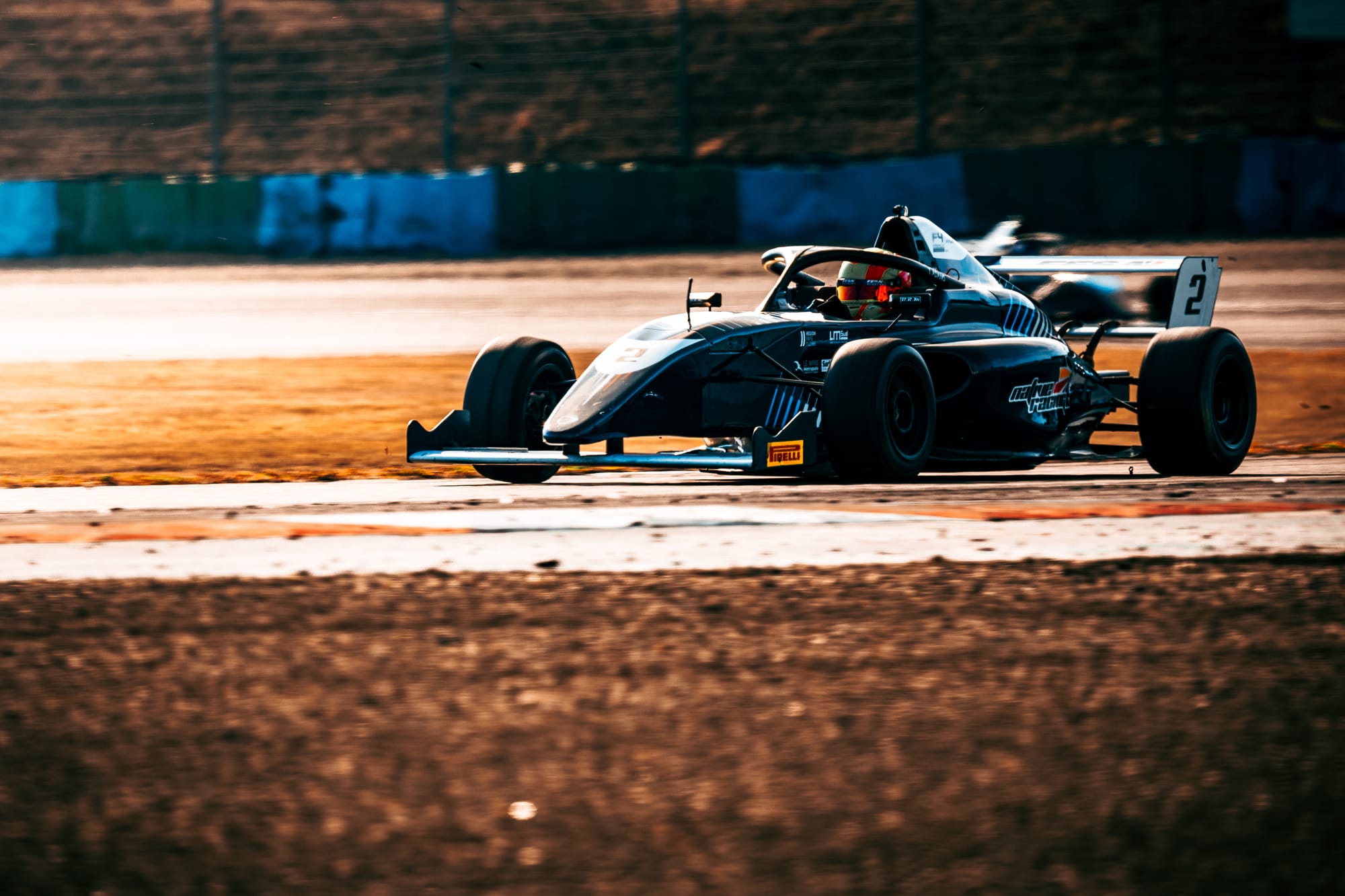
The Road to Lédenon as the Championship Fight Intensifies
As the paddock leaves Magny-Cours behind, attention now turns to Lédenon and the next crucial stage of the season, where the pressure will continue to build and every session will carry increasing significance in the fight for the championship.
Bouzar departs as the weekend winner, Ramaekers with renewed confidence, and Dauvergne with clear evidence of his qualifying strength, setting the stage for an increasingly intense battle as the season moves towards its decisive phase.
One thing remains certain: the fight is far from over, and Magny-Cours may have belonged to Bouzar, but the championship is still very much alive.
📸 Courtesy of Shaun Kingston