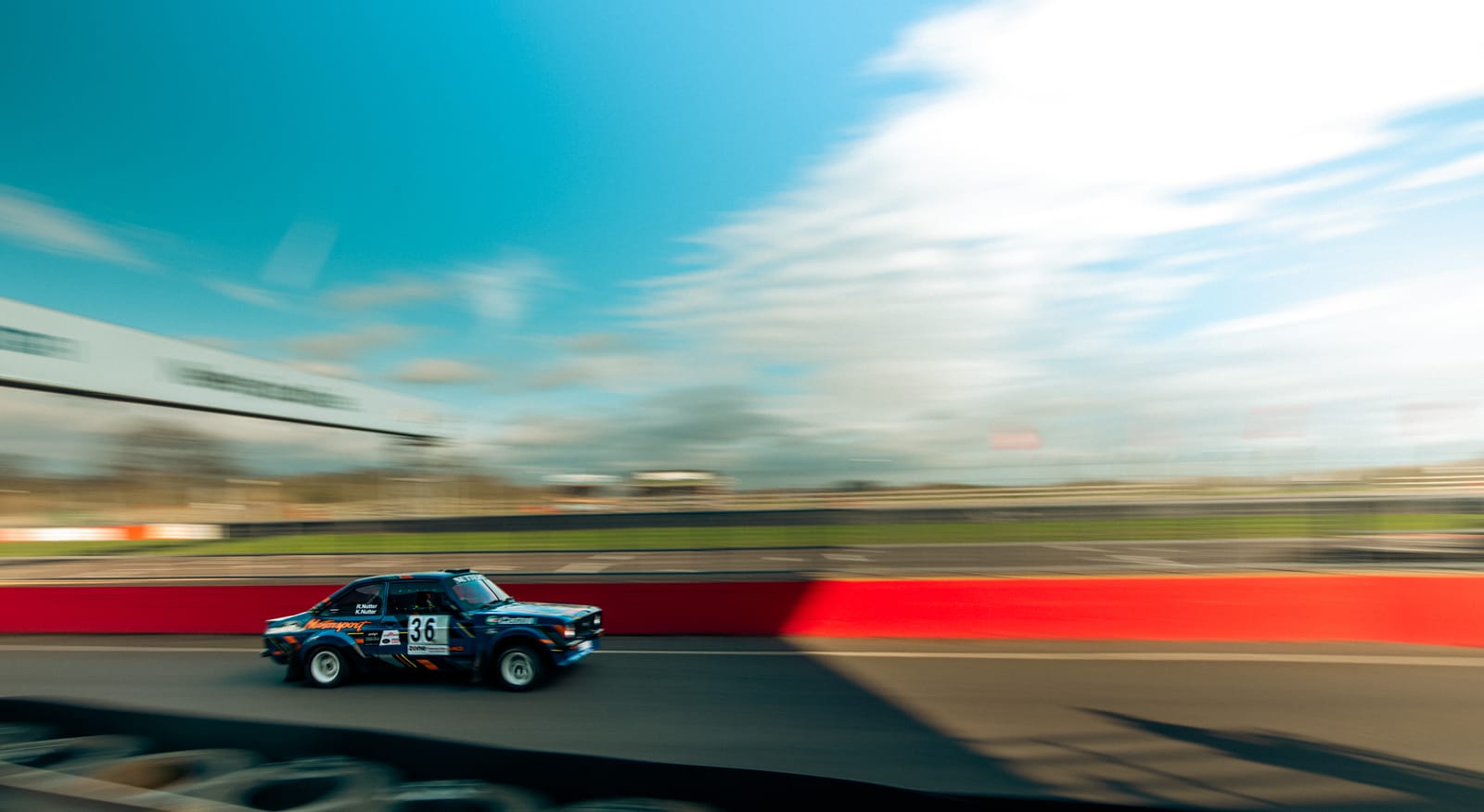
Dukeries Rally 2026 – When the Conditions Decide Everything The 2026 Zone Systems Dukeries Rally at Donington Park delivered a day that perfectly captured the reality of British rallying. Not just fast, not just technical, but constantly evolving, where conditions dictated everything and the outcome relied as much on judgement as outright pace.
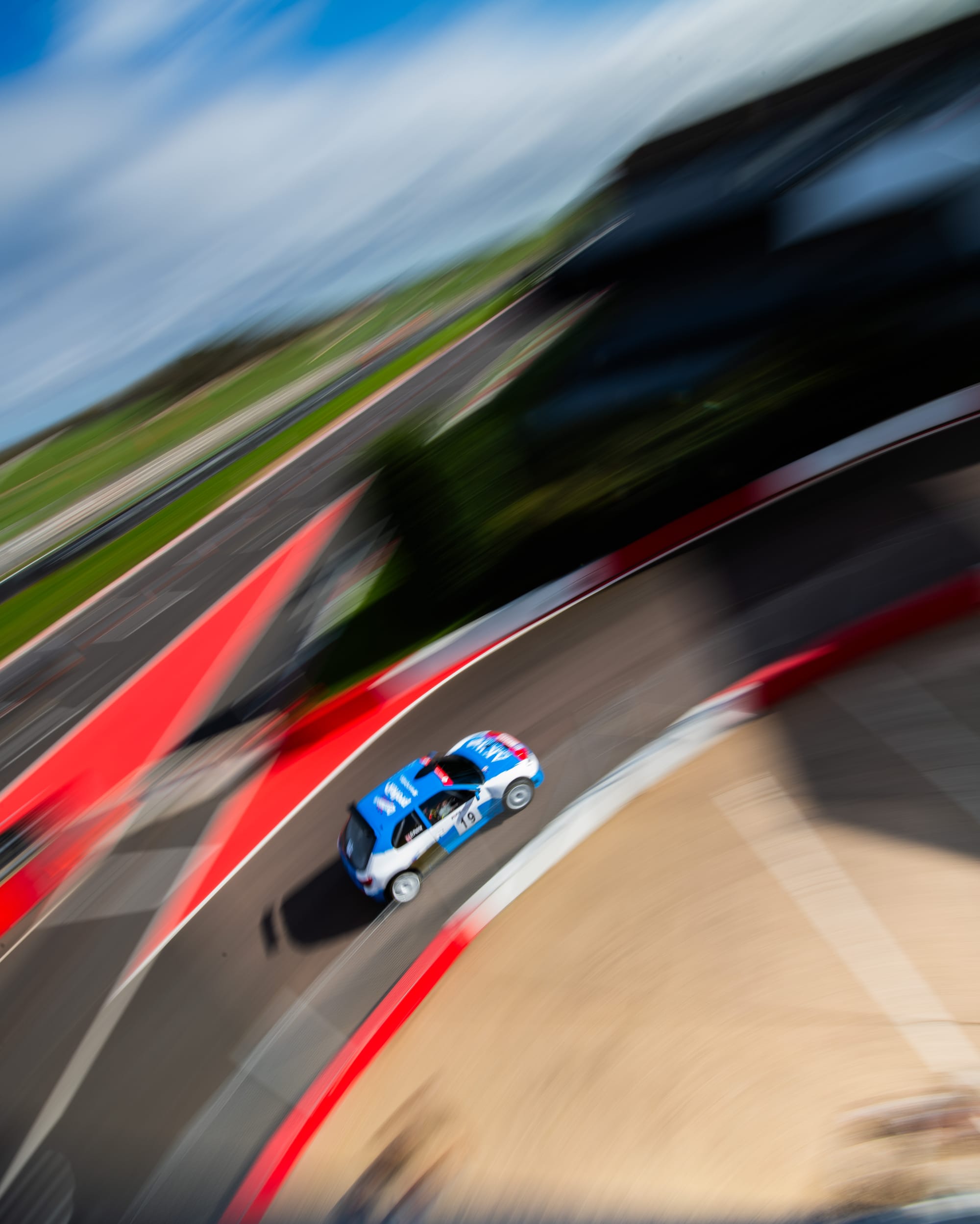
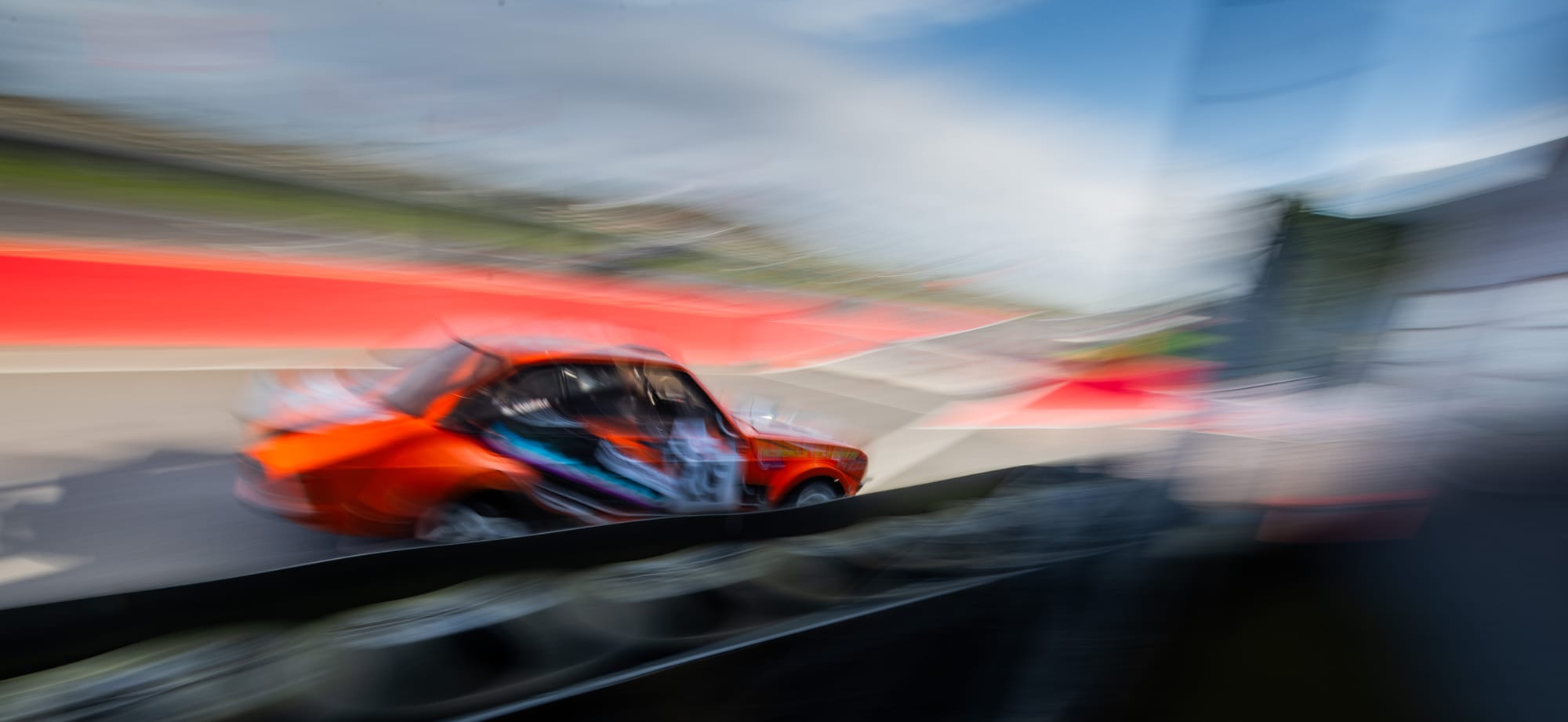
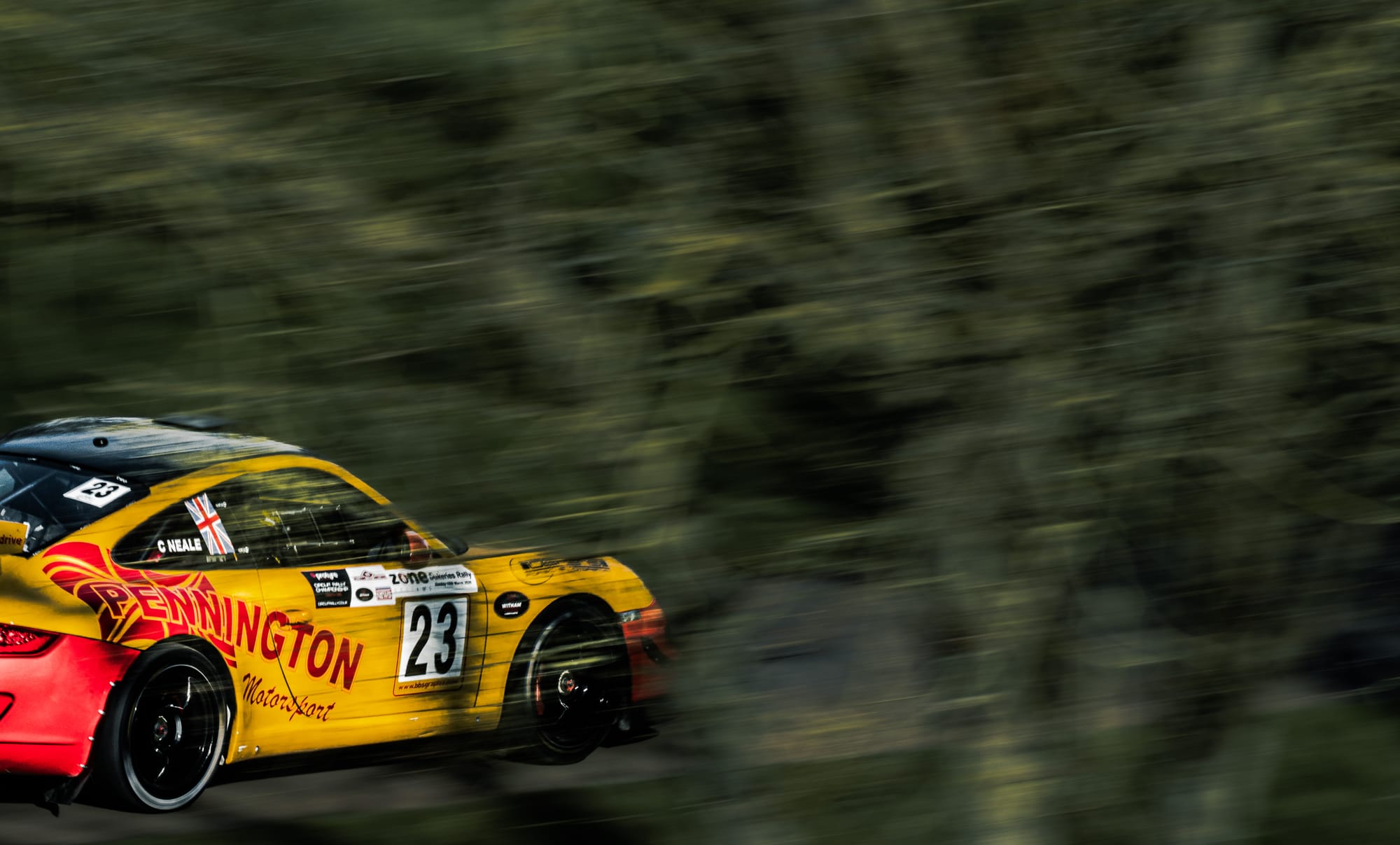
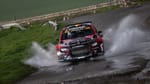
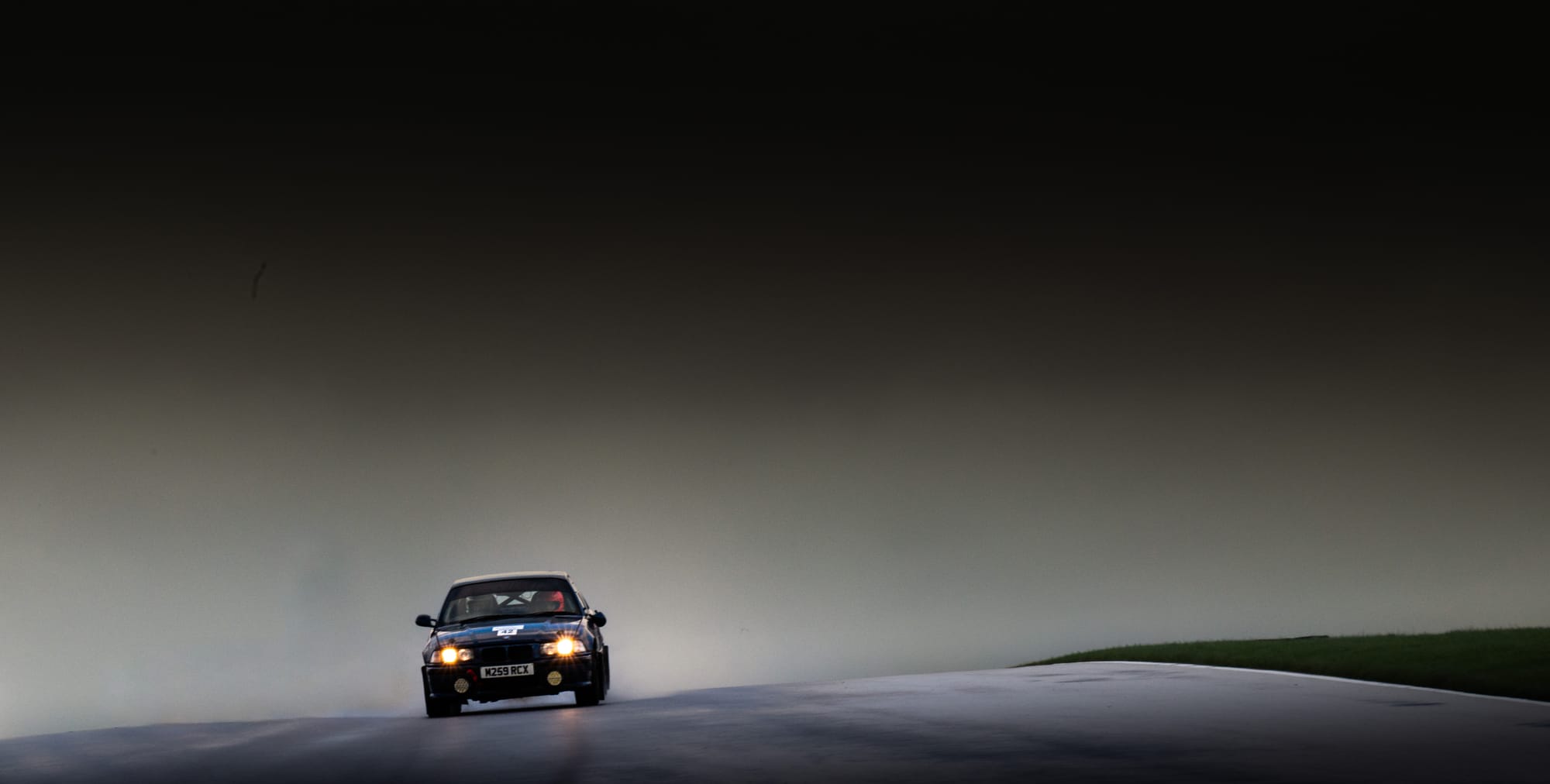
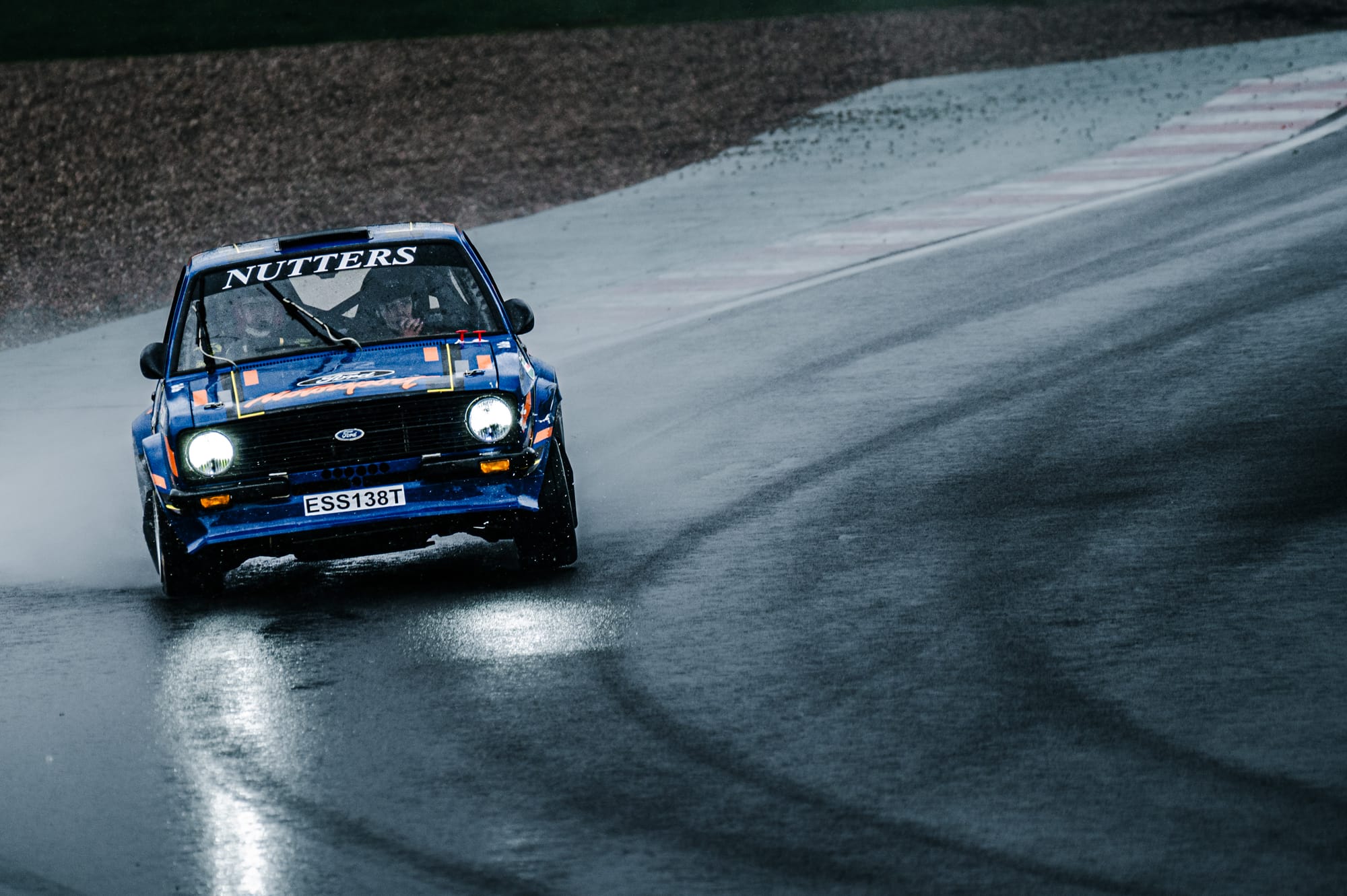
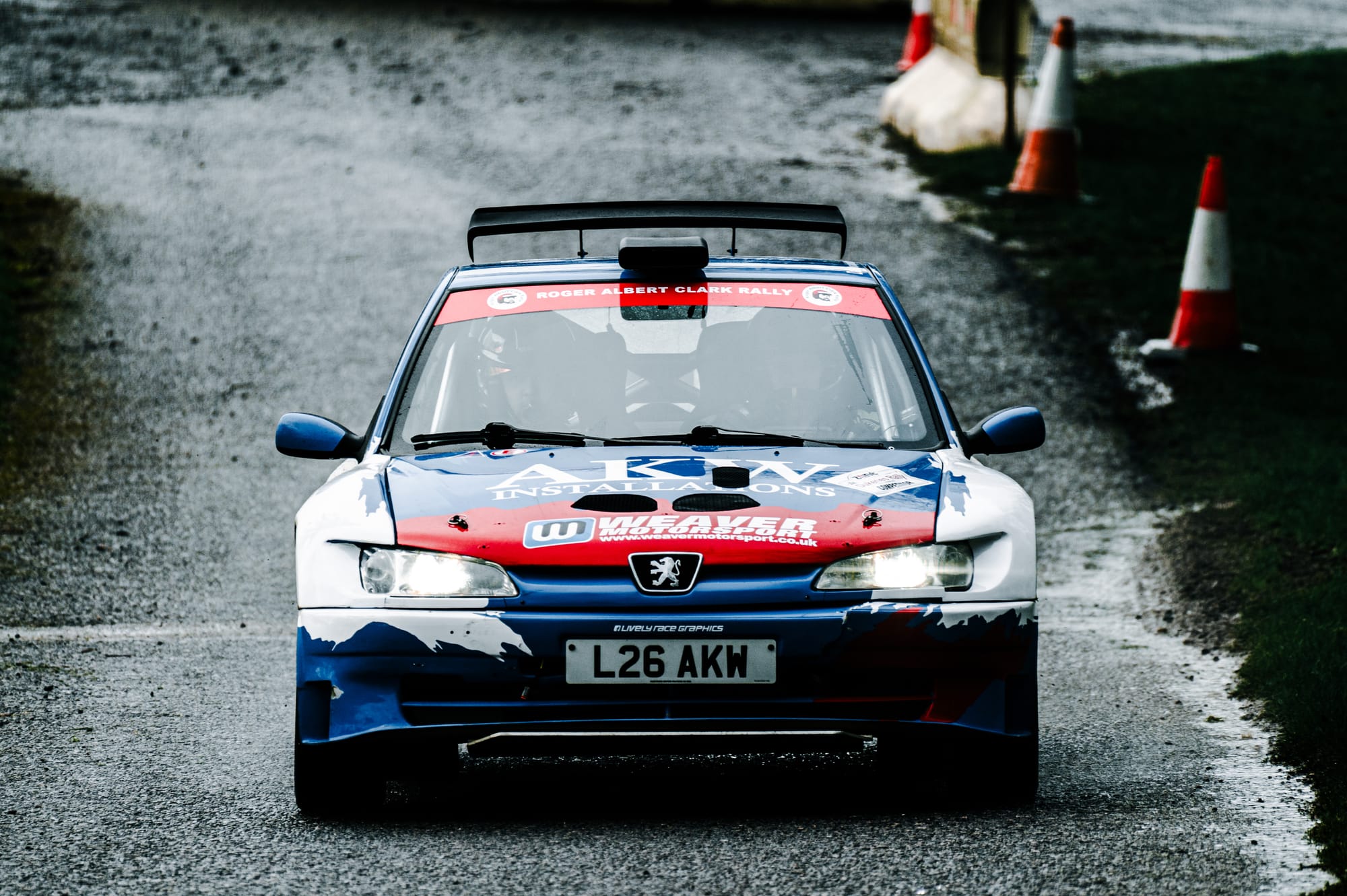
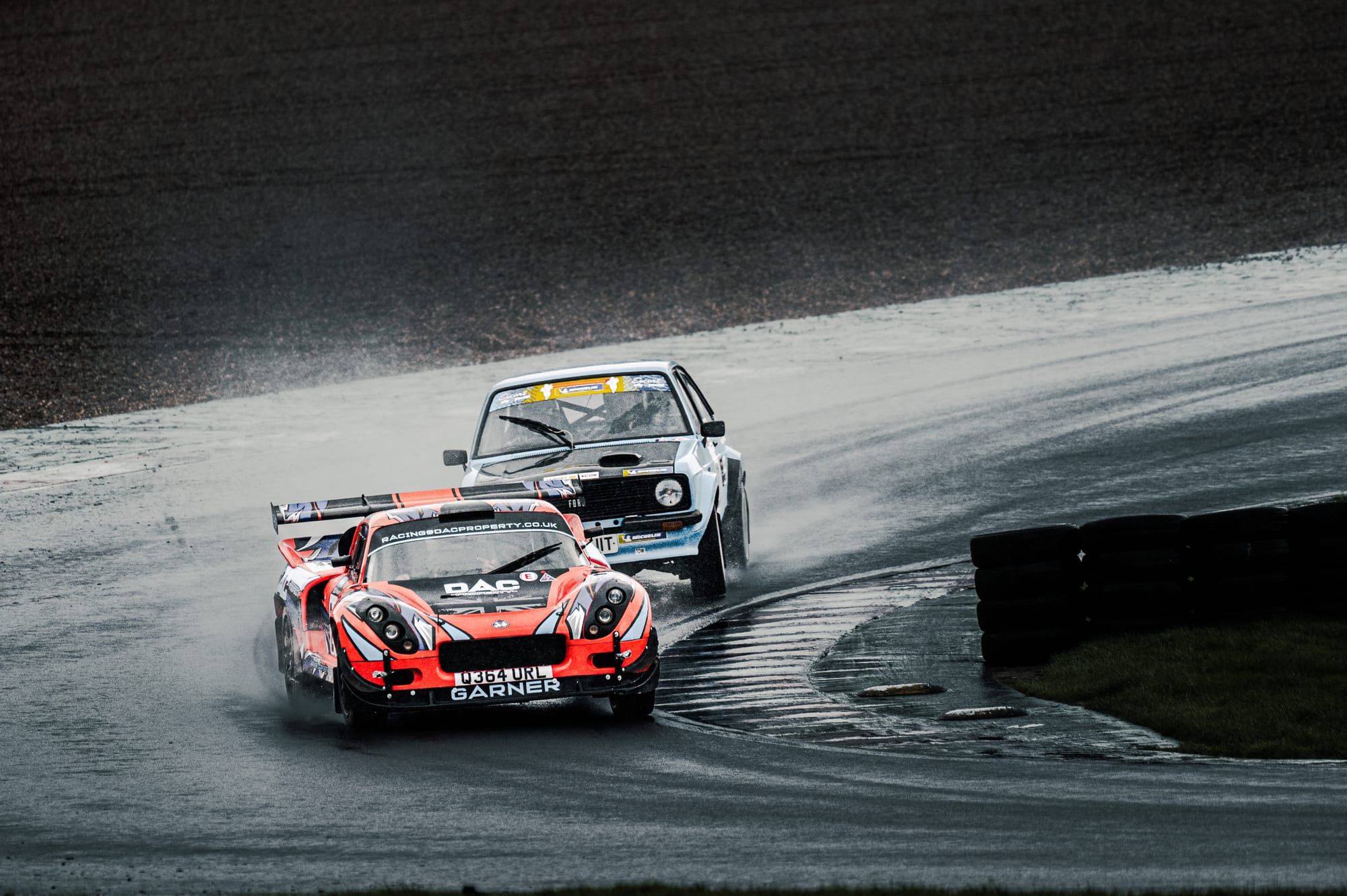
From the outset, it was clear this would not be straightforward. Low cloud hung over the circuit through the early morning, and the rain arrived quickly enough to disrupt any early rhythm. What began as a damp surface soon developed into properly wet conditions, with standing water forming in key braking zones and the already demanding layout becoming increasingly unpredictable. The combination of high-speed circuit sections and tighter infield roads meant drivers were forced to adapt corner by corner, never fully able to rely on consistent grip.
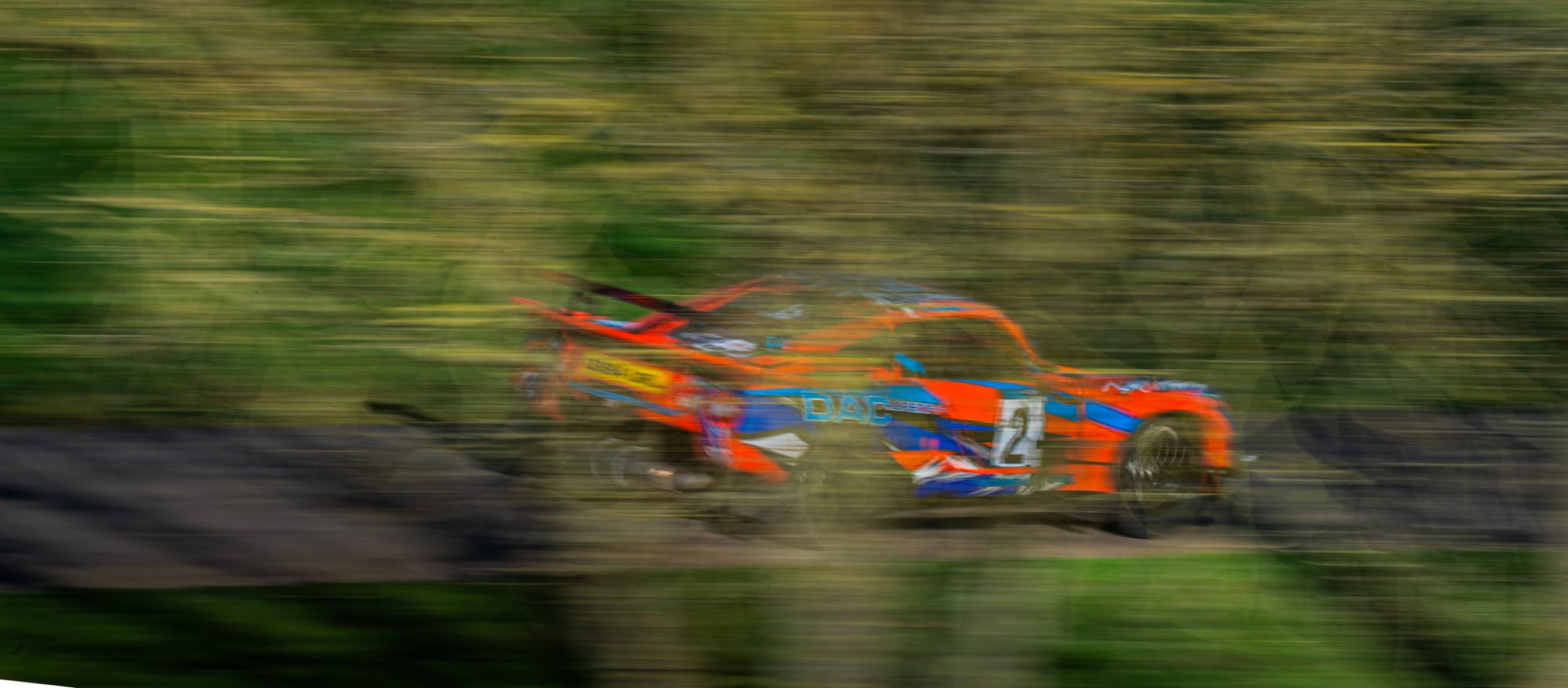
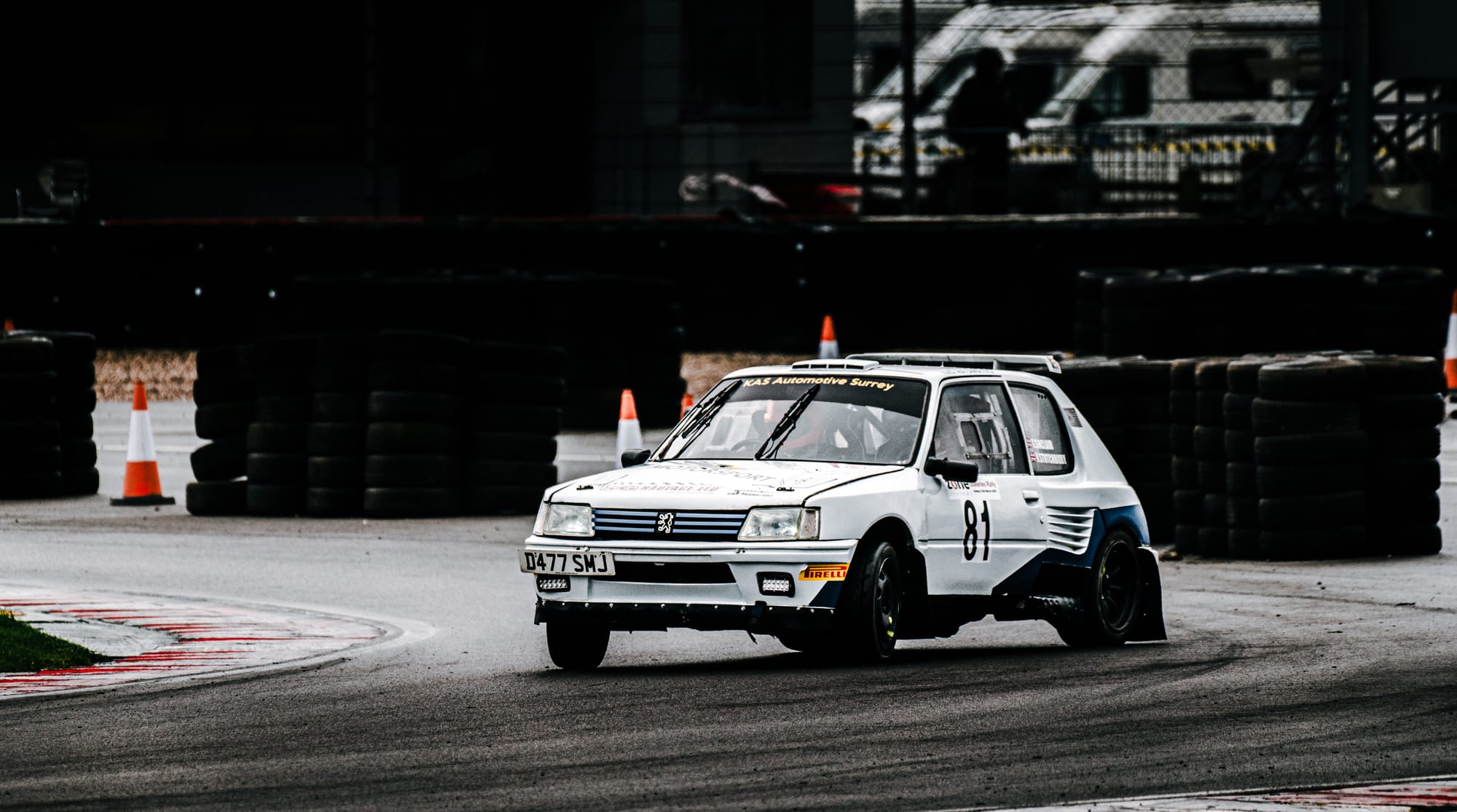
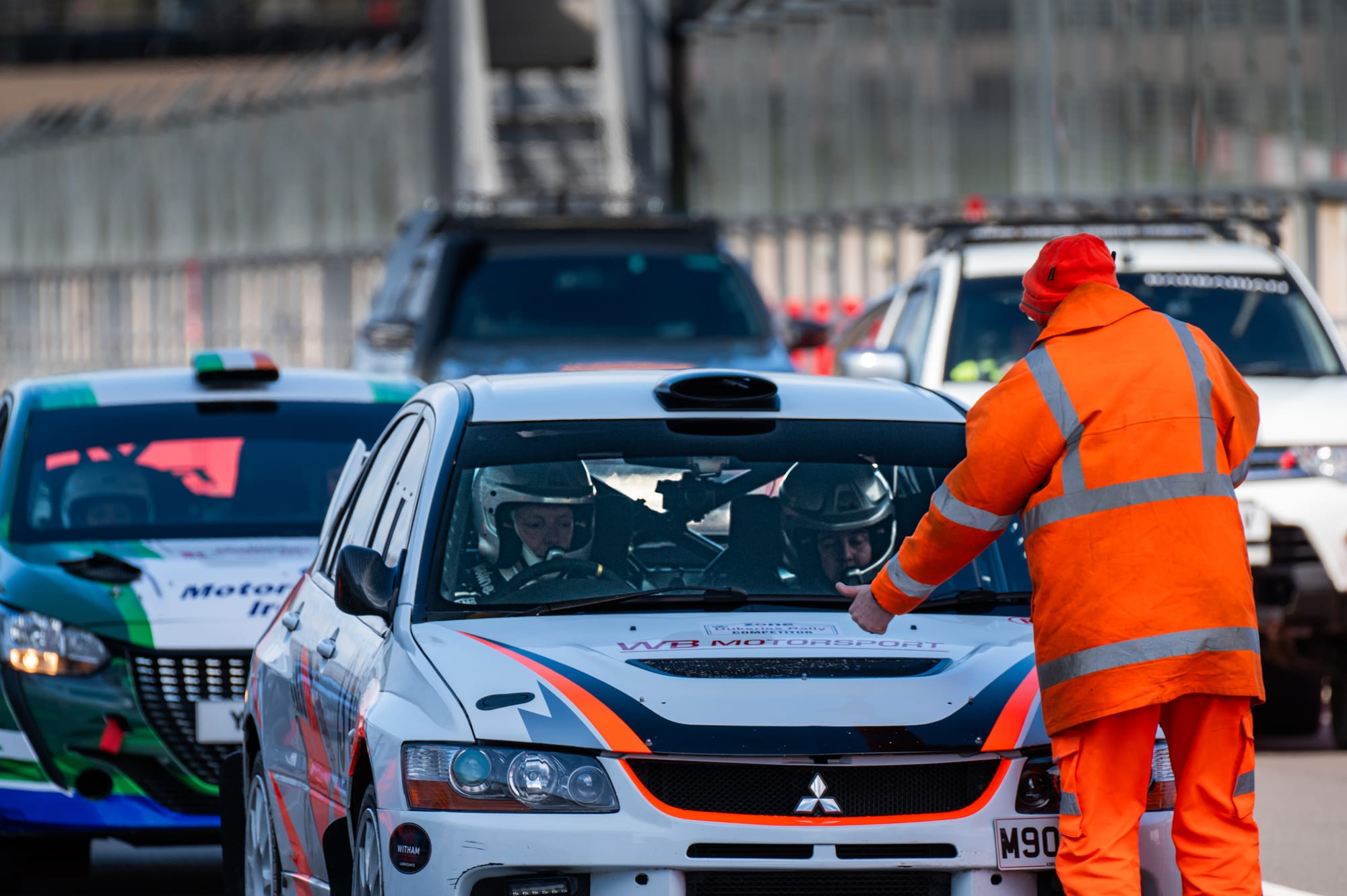
The opening stages quickly became a test of control rather than speed. Cars moved under braking, rear ends stepping out just enough to punish even small misjudgements, while traction on corner exit was limited and inconsistent. Crews responded by short shifting, braking earlier, and managing risk wherever possible, but even with that approach, mistakes were inevitable. Slides, corrections, and near-misses were constant, underlining just how little margin the conditions allowed. The challenge was only intensified as the wind picked up across the more exposed sections of the circuit. Sudden gusts unsettled the cars at speed and made already difficult braking zones even harder to judge. It became one of those situations where confidence was essential, but overconfidence could end a run just as quickly. At the front, however, a more measured approach began to stand out.
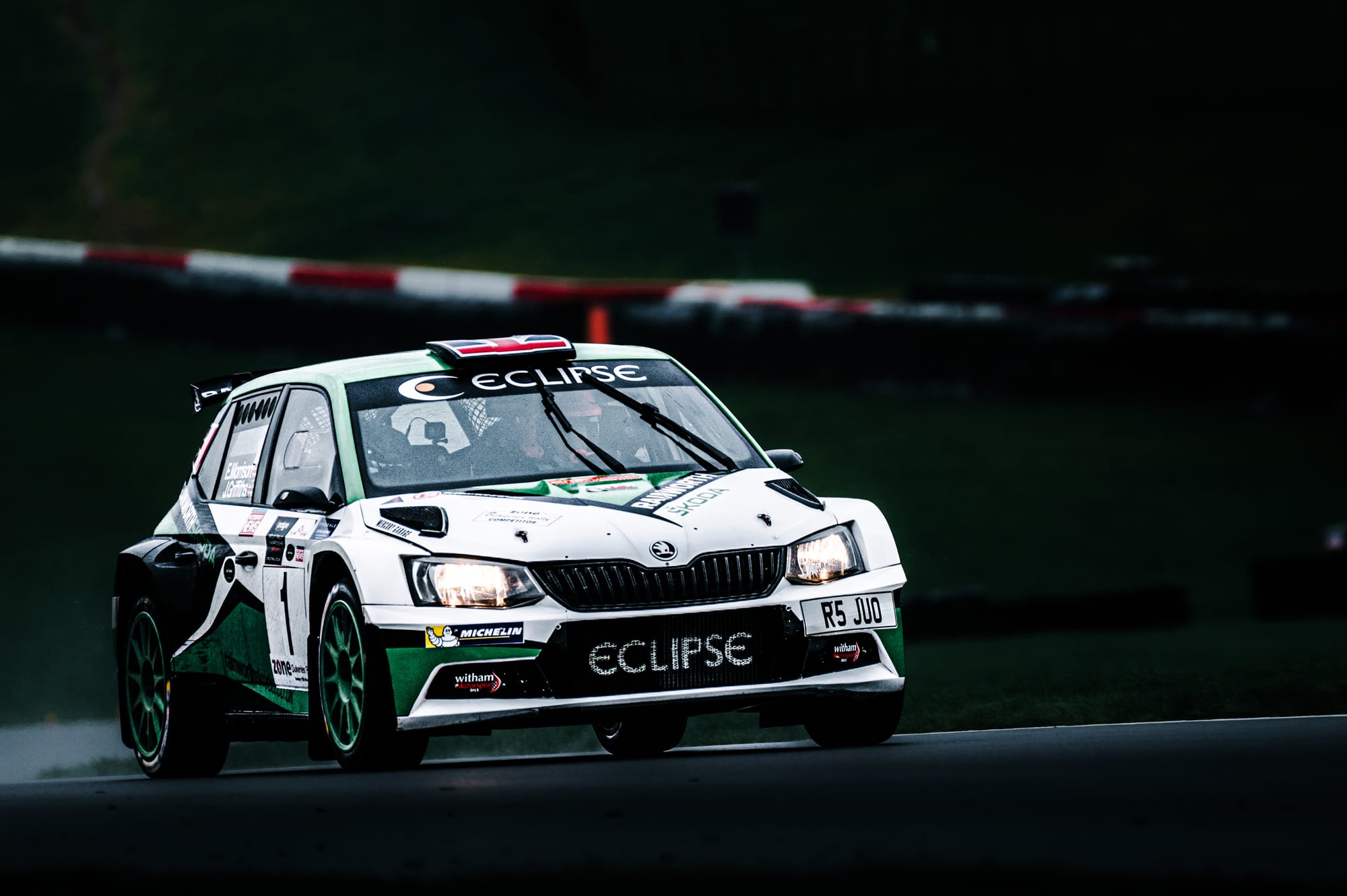
Michael Igoe and Will Atkins, in the Citroën C3 Rally2, focused on consistency through the worst of the conditions. Rather than chasing early stage times, they concentrated on staying clean and building a position. It was a disciplined drive, based on reading the road and understanding that the rally would not be decided in the opening loop. Behind them, the pressure remained high. John Griffiths and Nigel Wetton in the Peugeot 208 R5 pushed hard to stay within reach, delivering a committed performance despite the lack of grip. Stephen Petch and Michael Wilkinson, in the Ford Fiesta WRC, showed clear pace whenever conditions allowed, although the nature of the car meant extracting that performance in the wet required absolute precision and commitment.
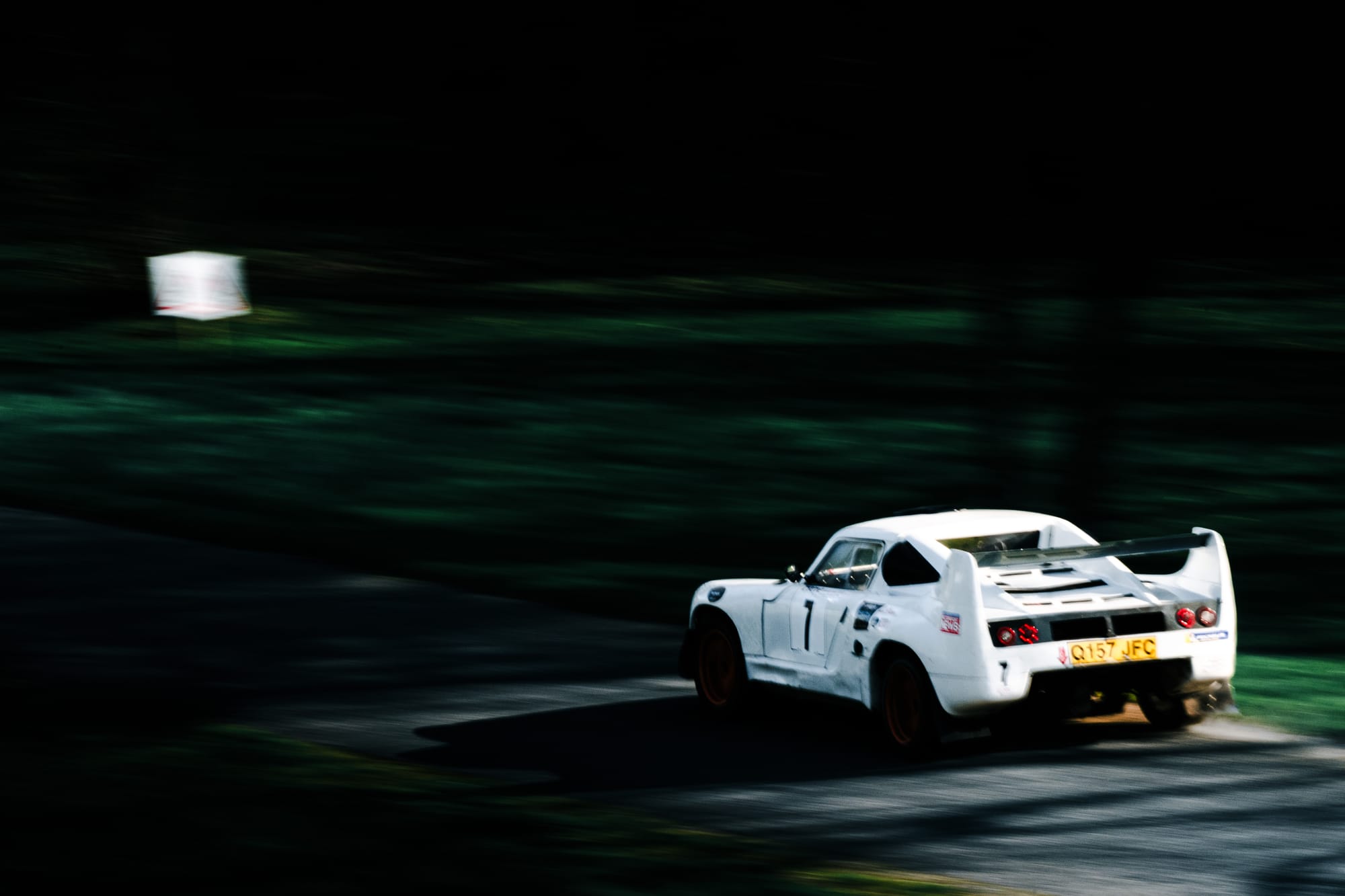
As the rally moved into the middle of the day, the defining shift arrived. The rain eased, the cloud began to break, and patches of dry tarmac started to appear. Initially, this created an even more complex challenge, with stages offering a mix of damp and dry sections that forced constant compromise. However, as the afternoon progressed, a consistent dry line developed, and with it came a completely different phase of the rally. With grip returning, the pace increased significantly. Braking points extended, corner speeds rose, and drivers were able to commit with far more confidence.
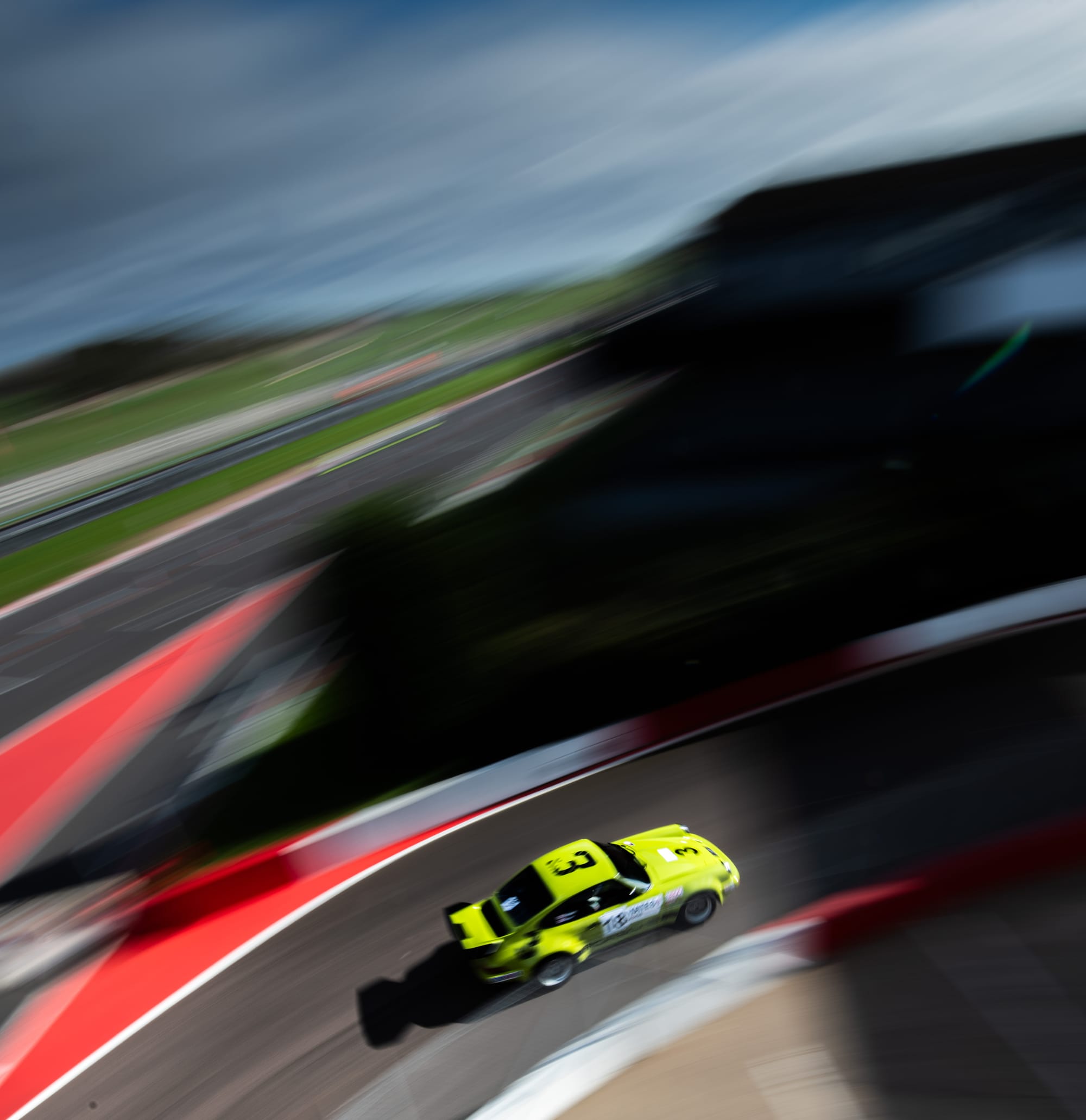
The restraint that defined the morning gave way to a far more aggressive approach, and it was in these conditions that the event was ultimately decided. Having remained composed earlier in the day, Igoe and Atkins were perfectly positioned to capitalise. Their performance across the drying stages was controlled and efficient, allowing them to increase the pace without unnecessary risk. While others continued to adapt, they appeared settled, managing the transition in conditions with precision and securing the overall victory through a combination of discipline and well-timed attack. The fight behind them remained competitive throughout. Griffiths and Wetton maintained consistent pressure to secure second overall, delivering one of the most complete drives of the event. Petch and Wilkinson, meanwhile, were able to fully exploit the potential of the Ford Fiesta WRC as the surface improved, demonstrating the car’s advantage in higher grip conditions. Further down the order, Garry Pearson and Daniel Barritt added another strong result with fourth place in their Ford Fiesta Rally2, while Sam Bilham and Patrick Walsh completed the top five in the Volkswagen Polo GTI R5.
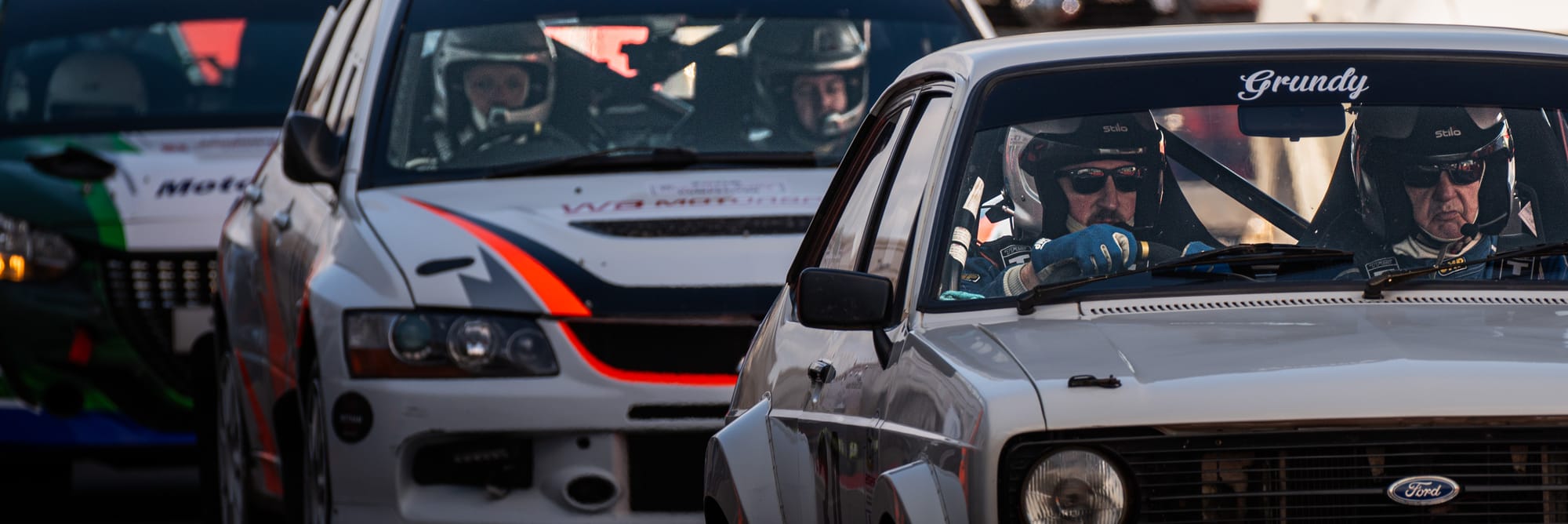
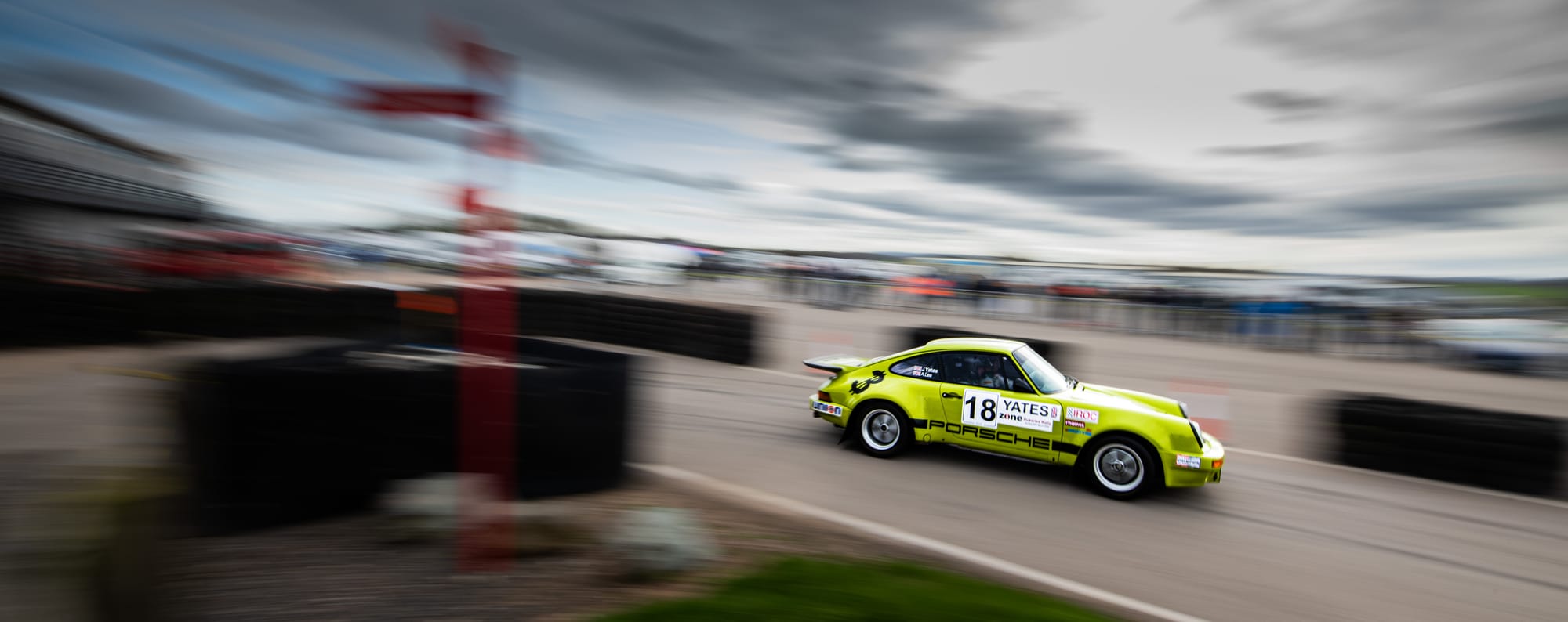
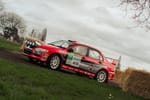
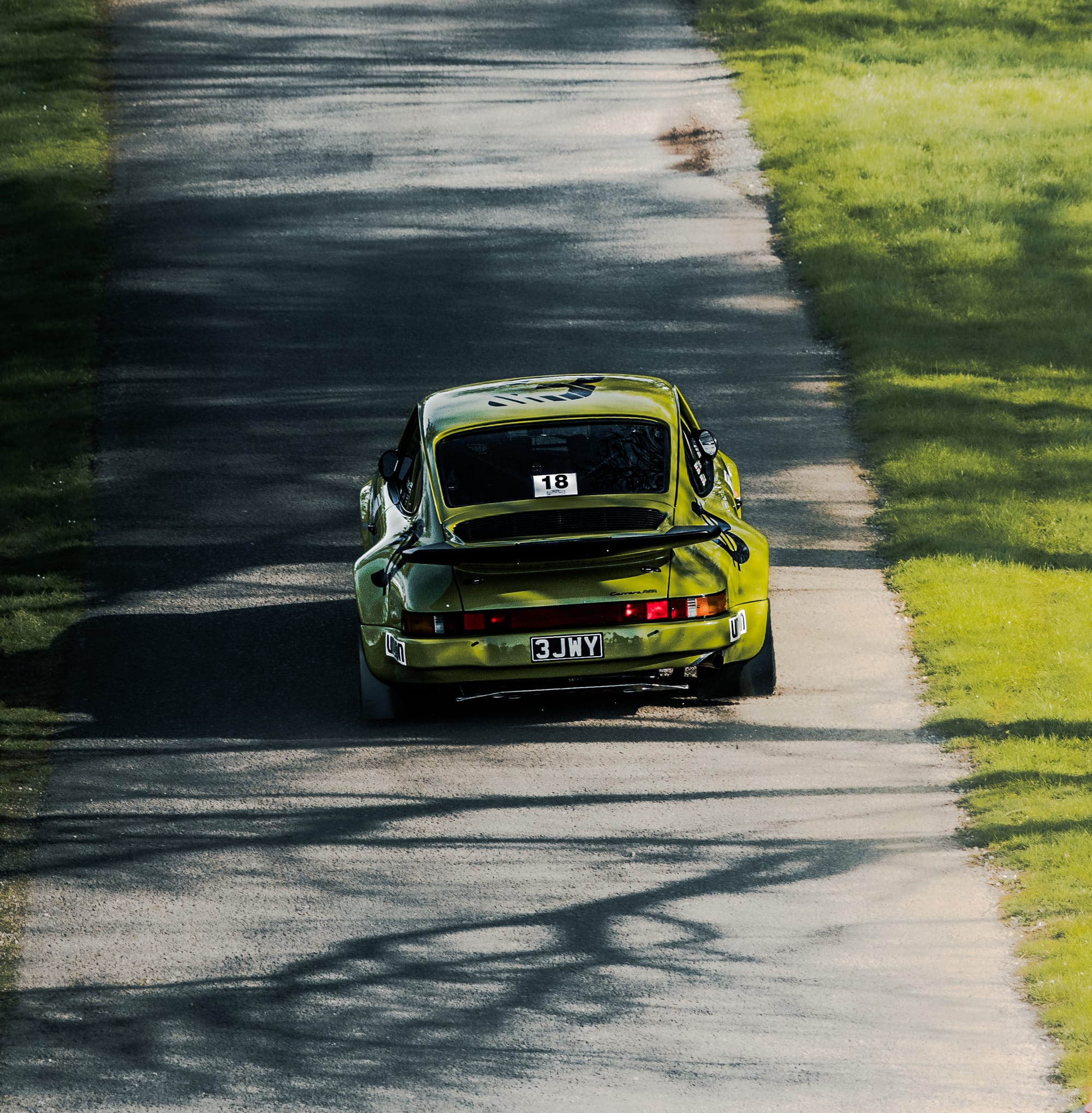
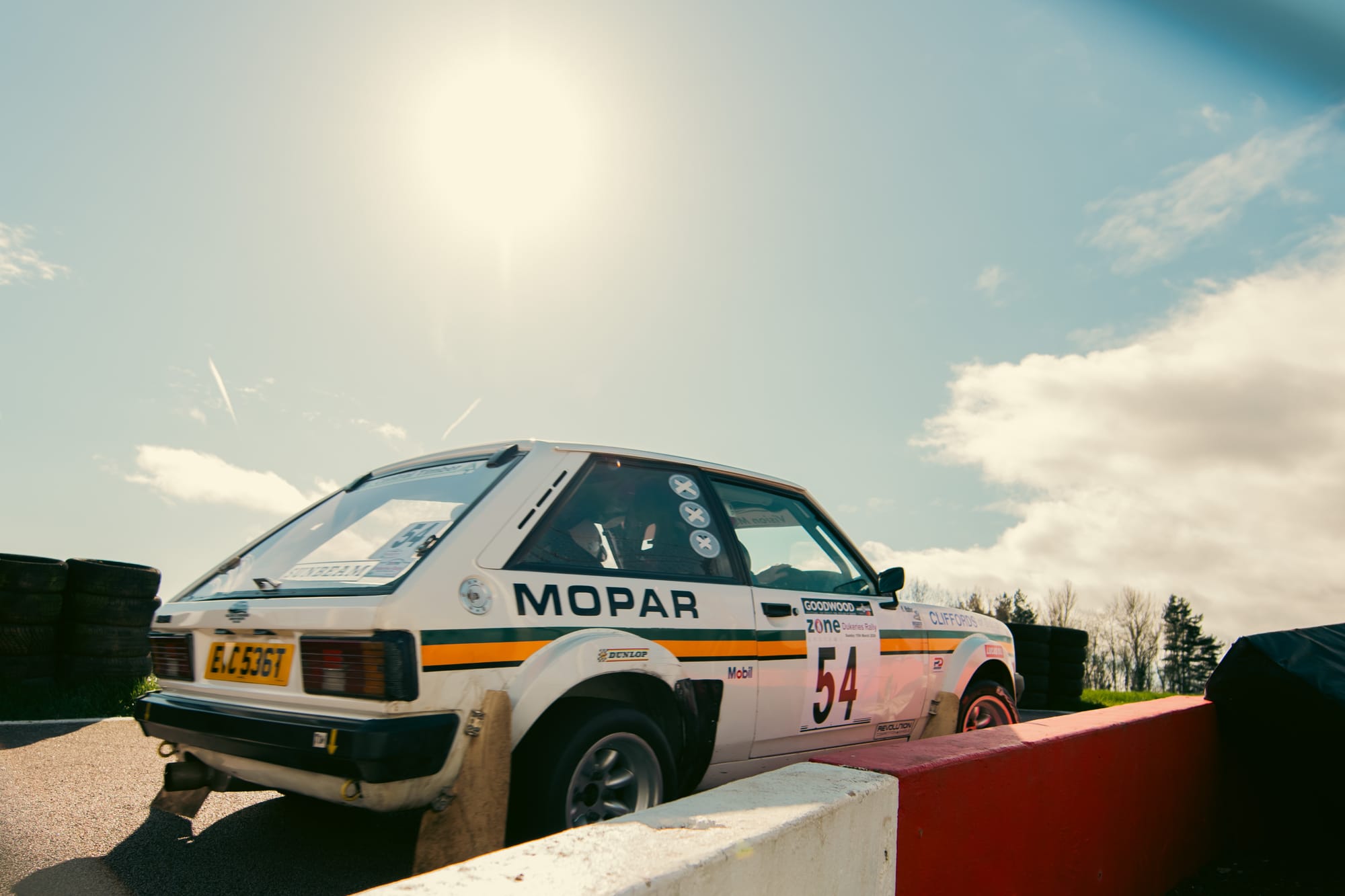
The depth of competition across the Rally2 field once again highlighted how closely matched the category has become, particularly in changing conditions where adaptability is critical. Beyond the leading positions, the Dukeries Rally continued to deliver the variety that defines the event. Alongside the modern Rally2 machinery, the presence of cars such as the Mk2 Escorts and Subaru Imprezas added both contrast and character. These cars, often driven with a more aggressive and visual style, consistently drew attention from spectators and reinforced the connection between the event and its audience. What stood out most across the day was the contrast in conditions. The morning demanded restraint, careful inputs, and a focus on simply completing stages without error. By the afternoon, the same sections of road encouraged commitment, precision, and a willingness to push to the limit. It effectively created two rallies within one event, each requiring a completely different approach. Tyre choice played a significant role in this transition.
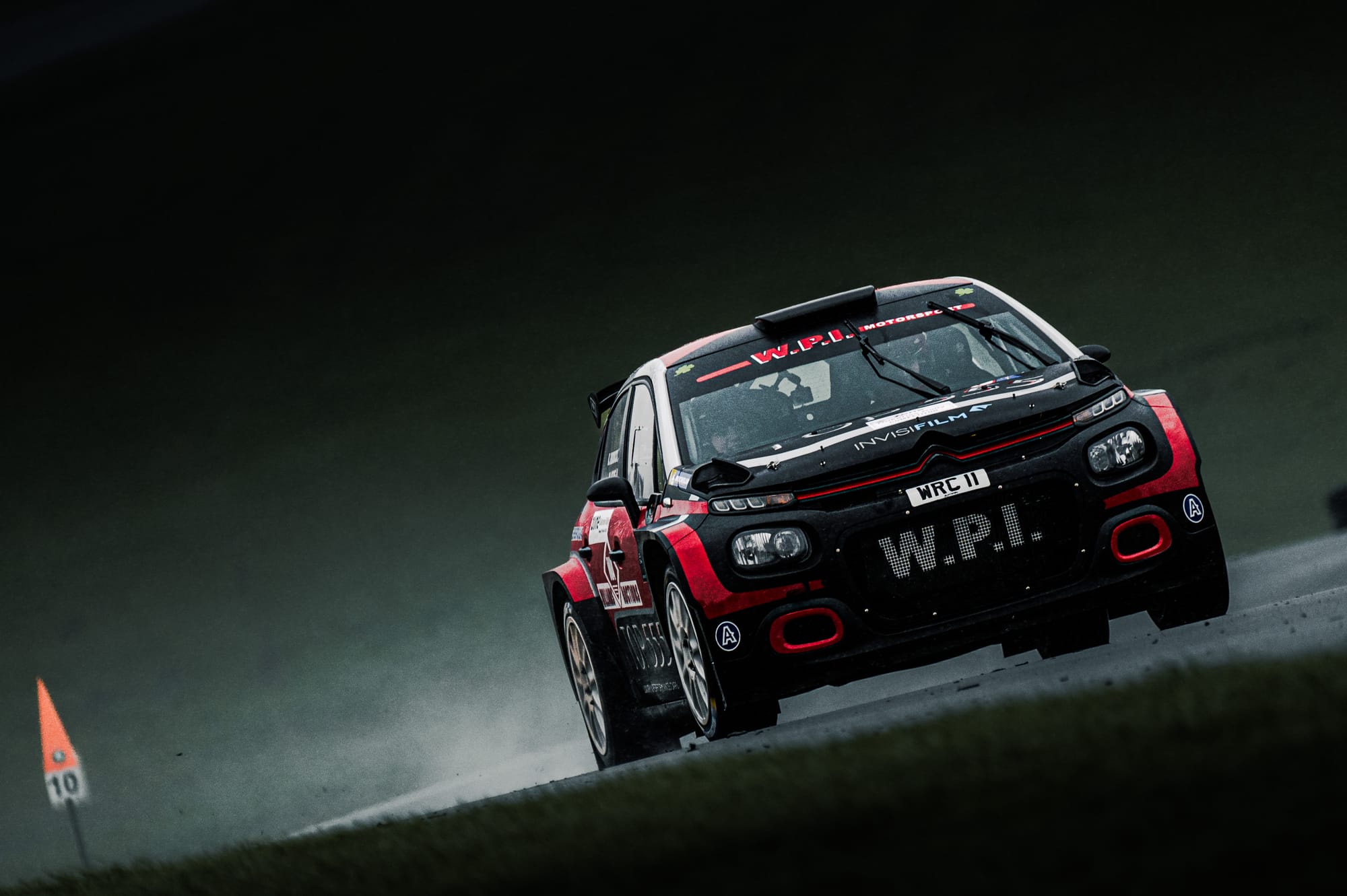
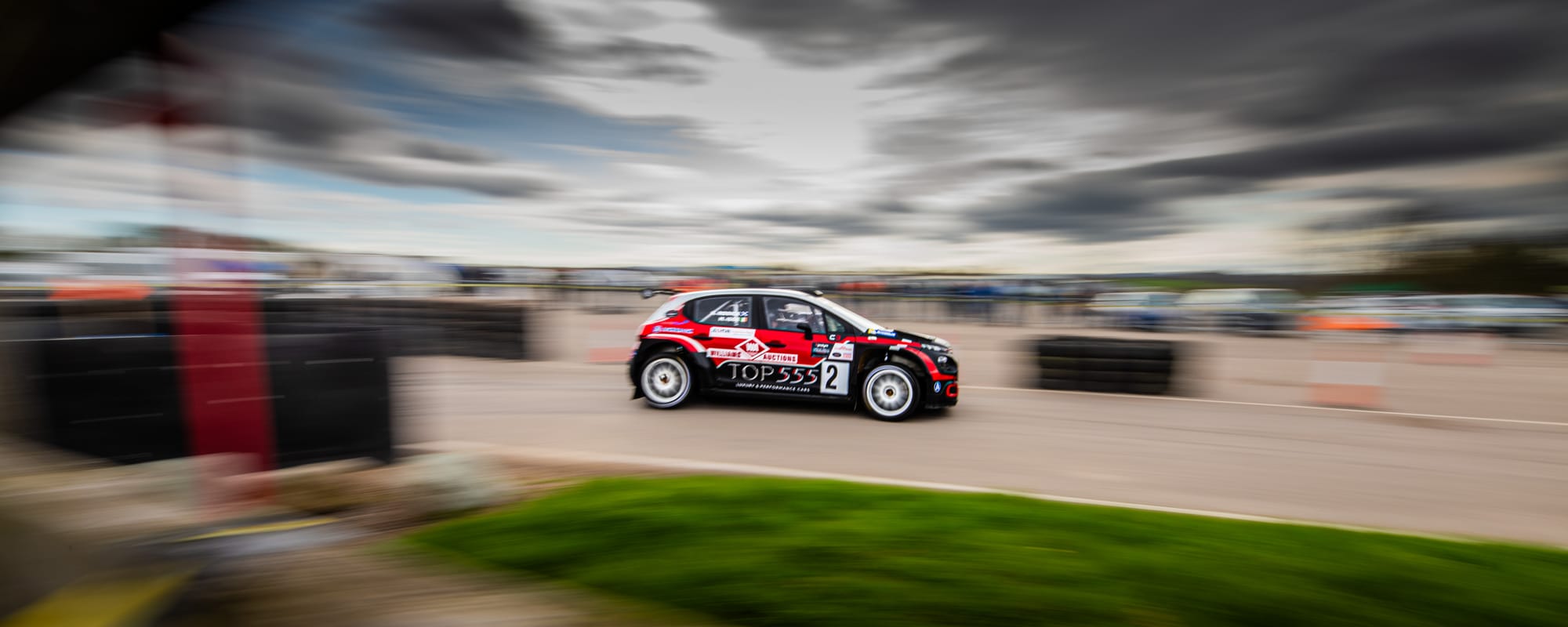
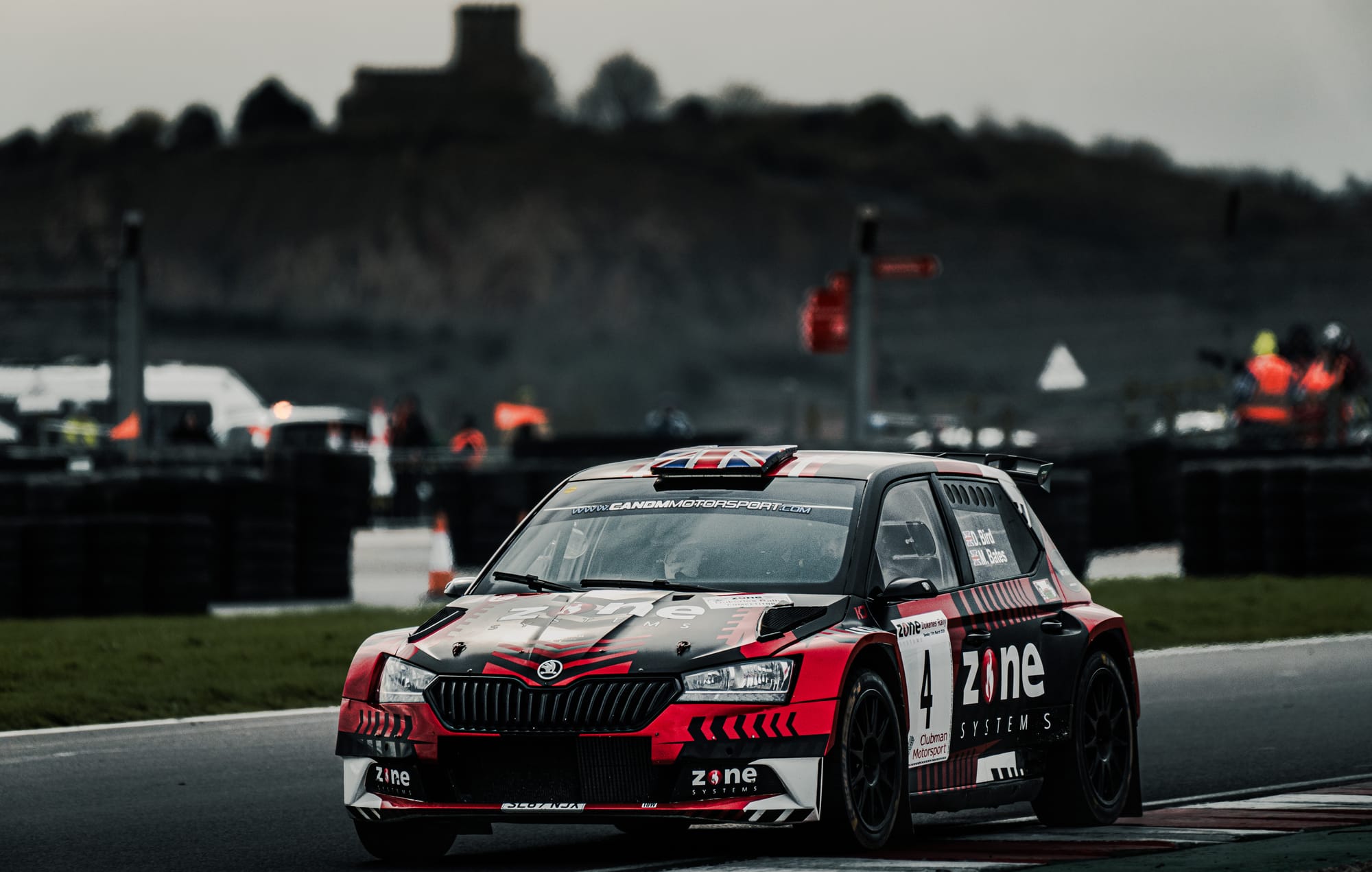
Crews who judged the crossover point between wet and dry conditions effectively were able to gain a clear advantage, while those who miscalculated found themselves struggling to recover lost time as the pace increased. In the end, the result reflected more than outright speed. It highlighted the importance of reading conditions, managing risk, and understanding when to push. Michael Igoe and Will Atkins executed that balance better than anyone else, delivering a performance built on consistency in the morning and control in the afternoon. The 2026 Dukeries Rally ultimately delivered everything expected of it. Changing conditions, competitive depth, and a constant demand for adaptability ensured that it remained unpredictable from start to finish.
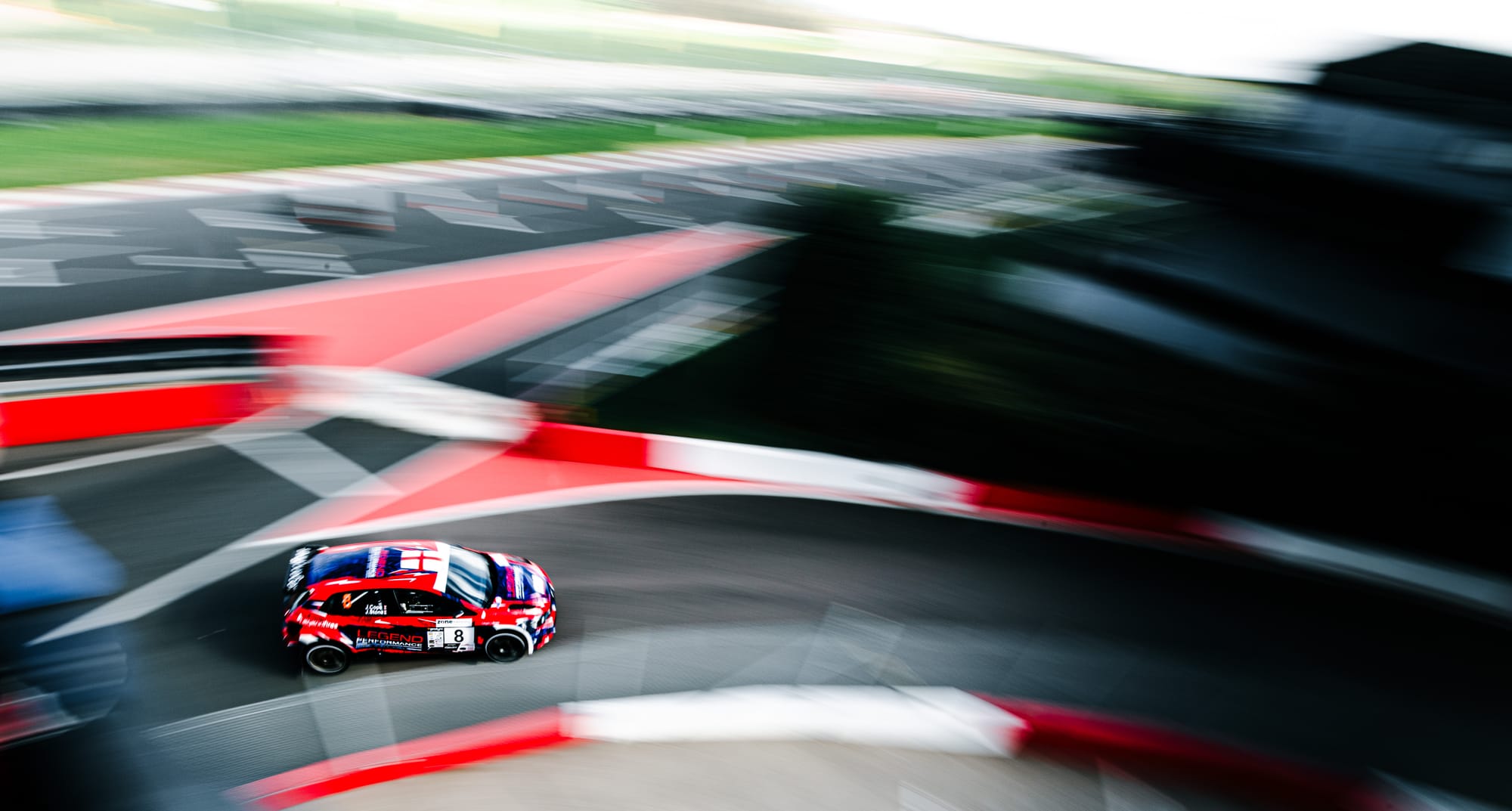
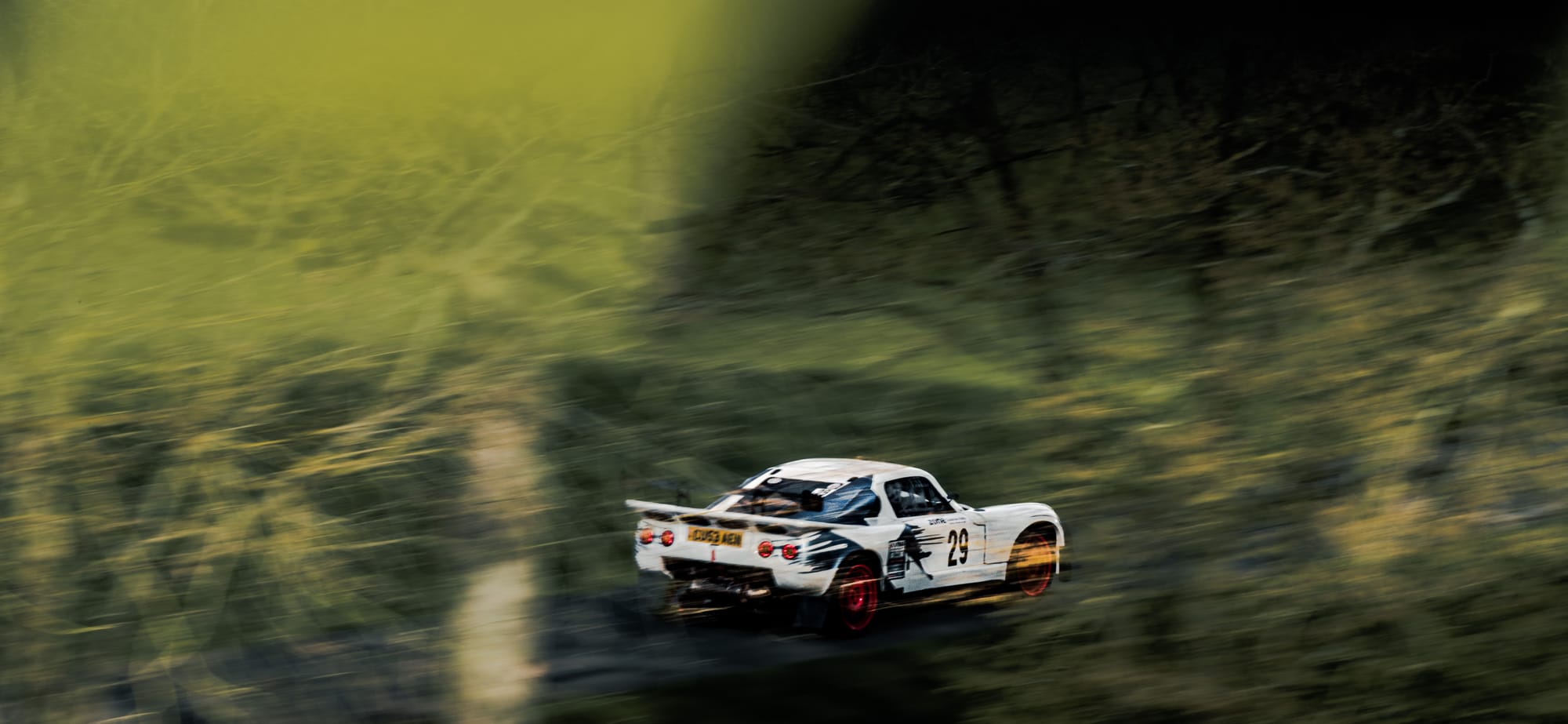
It was a clear reminder that in events like this, success is rarely about a single moment of pace, but rather the ability to respond to every change the day presents.
Article Sponsored by Sponsors4Racing