By Régis Ghibaudo | Photography: Shift-R Media Lab
Le Castellet, France | 13–15 November 2026
The opening round of the 2026/27 Asian Le Mans Series was no ordinary weekend at Circuit Paul Ricard. Forty-six cars, two four-hour races and the championship's first-ever Hypercar entries marked the beginning of an unusual European winter season.
Between the arrival of Ferrari's 499P, unpredictable weather and fiercely contested LMP2 and GT3 races, Le Castellet offered plenty to watch, and even more to photograph.
An Asian Championship, a European Winter
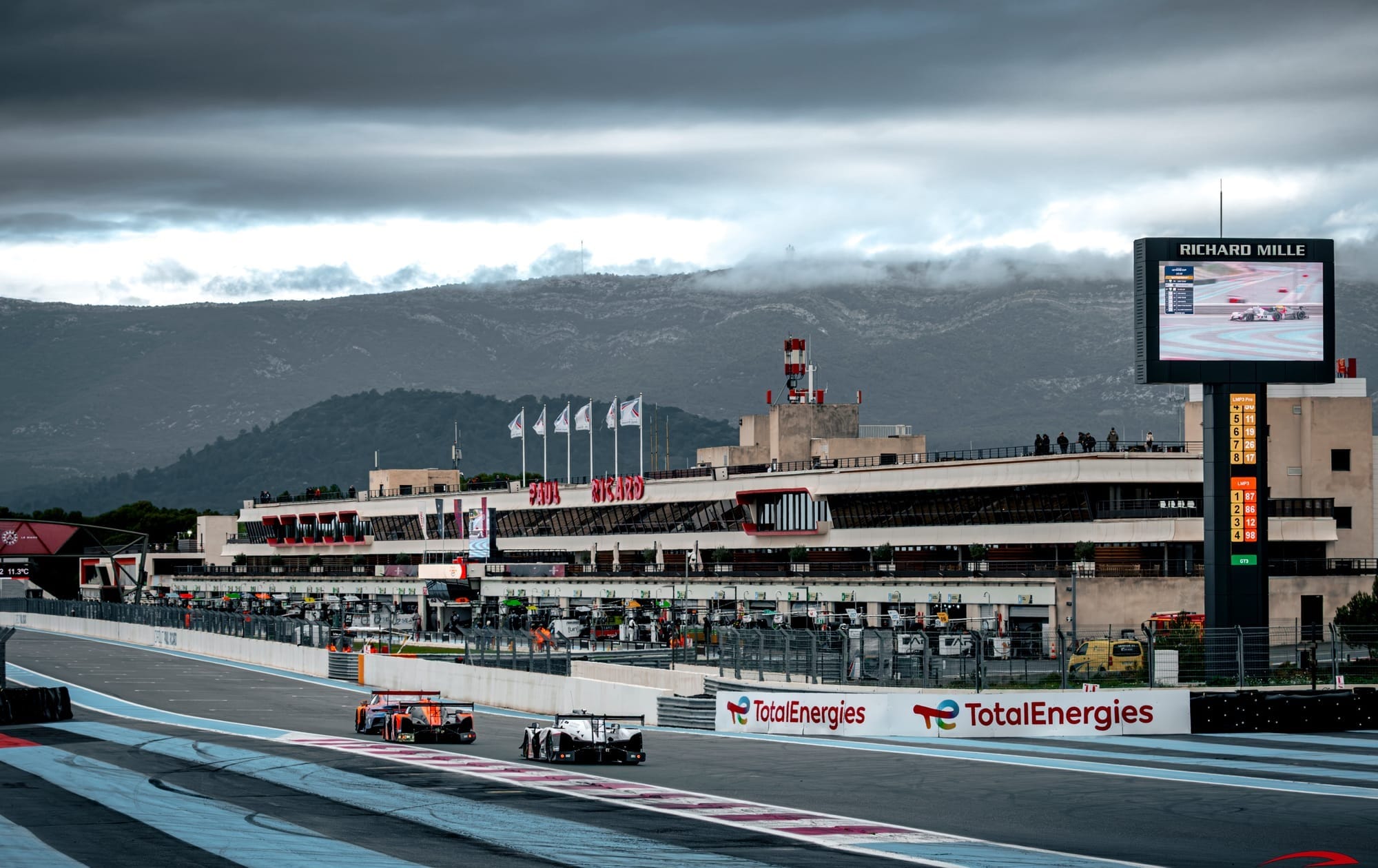
Geopolitical tensions and logistical uncertainty in the Middle East prompted an exceptional change of venue. For 2026/27, the series moved to Europe under the Winter Le Mans Series banner, with six four-hour races across Paul Ricard, Jerez and the Algarve.
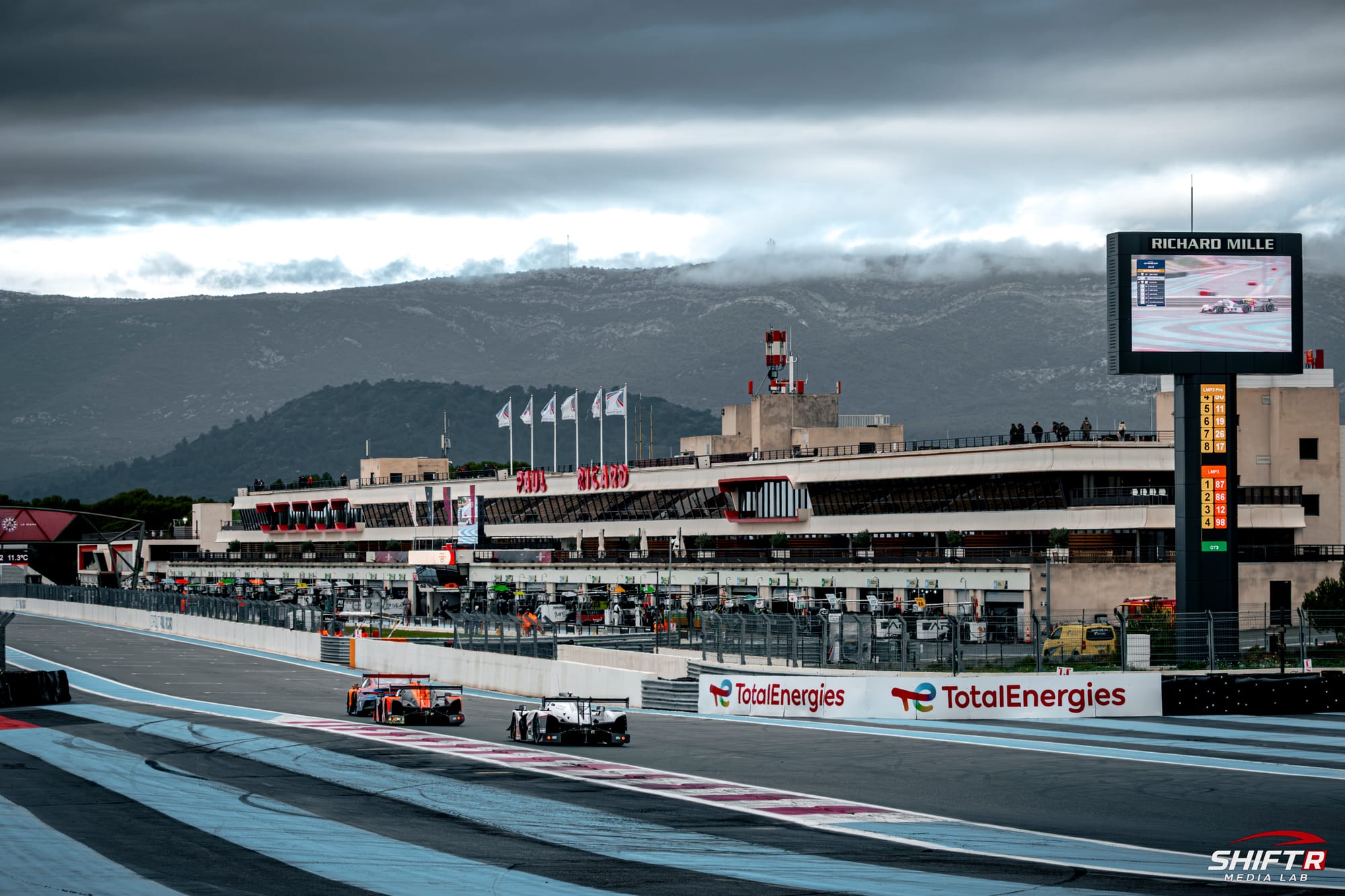
Set in the hills of Provence, Paul Ricard combines a 5.821-kilometre circuit, a long straight and fast, technical corners. Its famous blue and red runoff areas make it instantly recognisable, but this November its most distinctive feature was the weather.
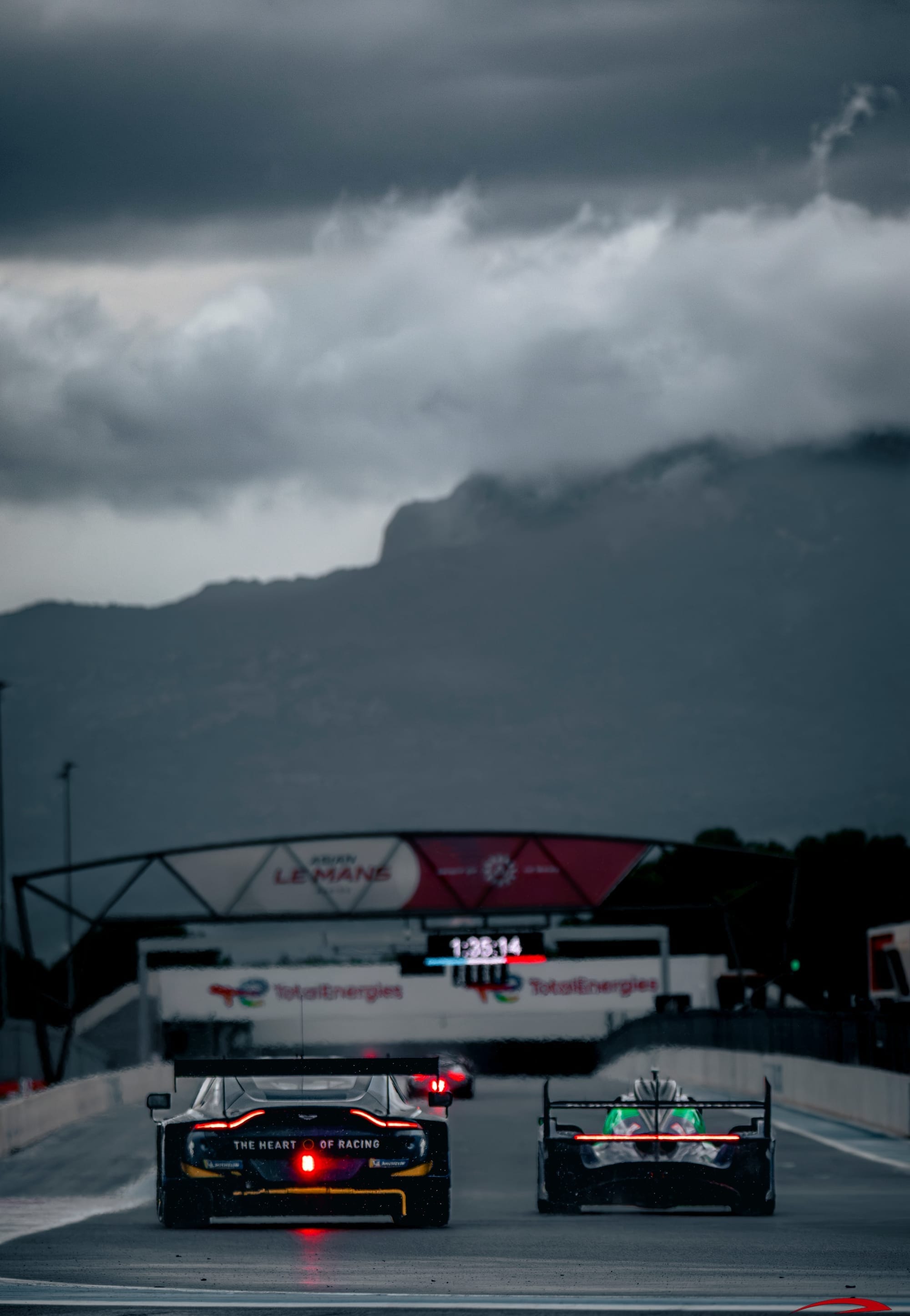
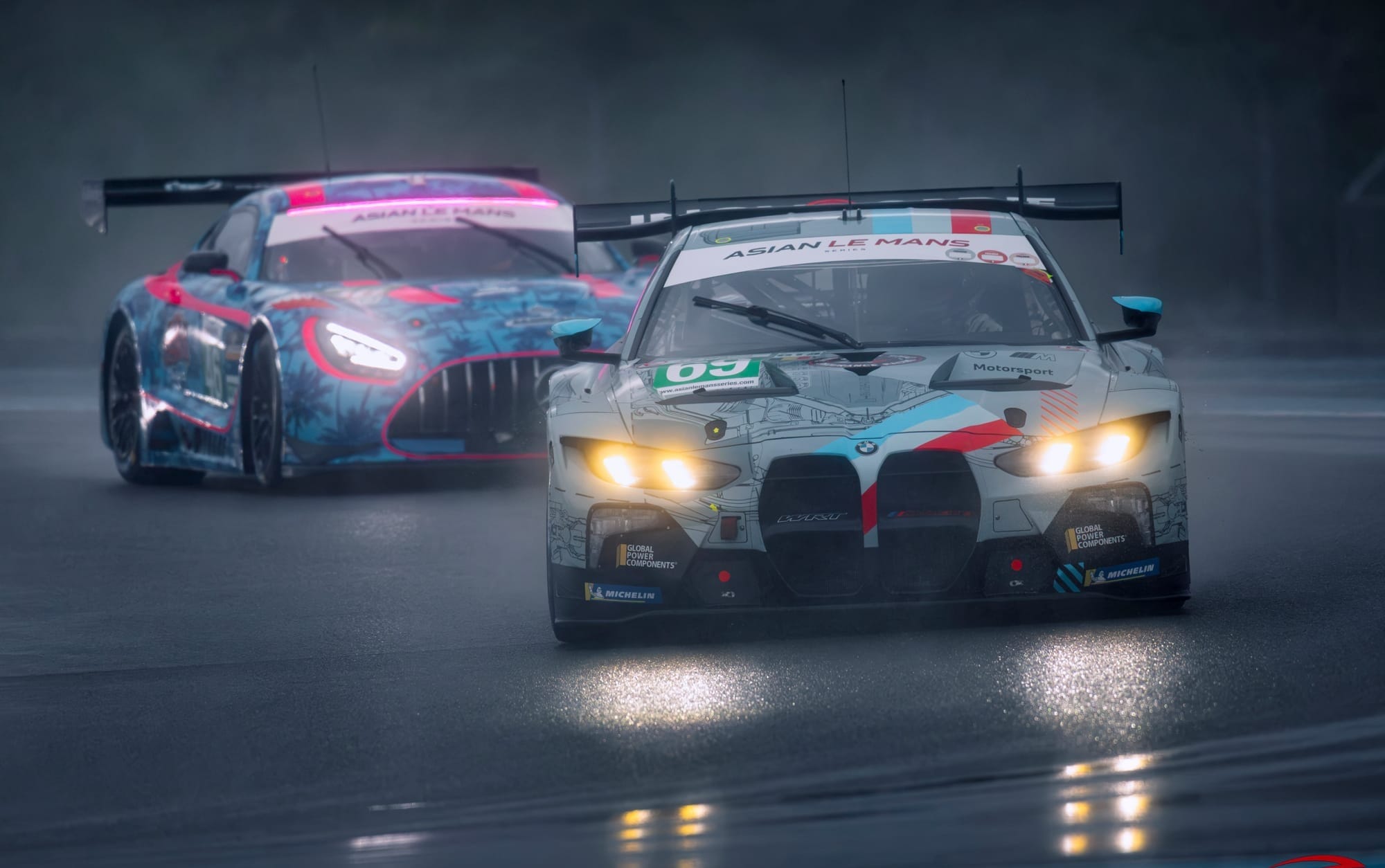
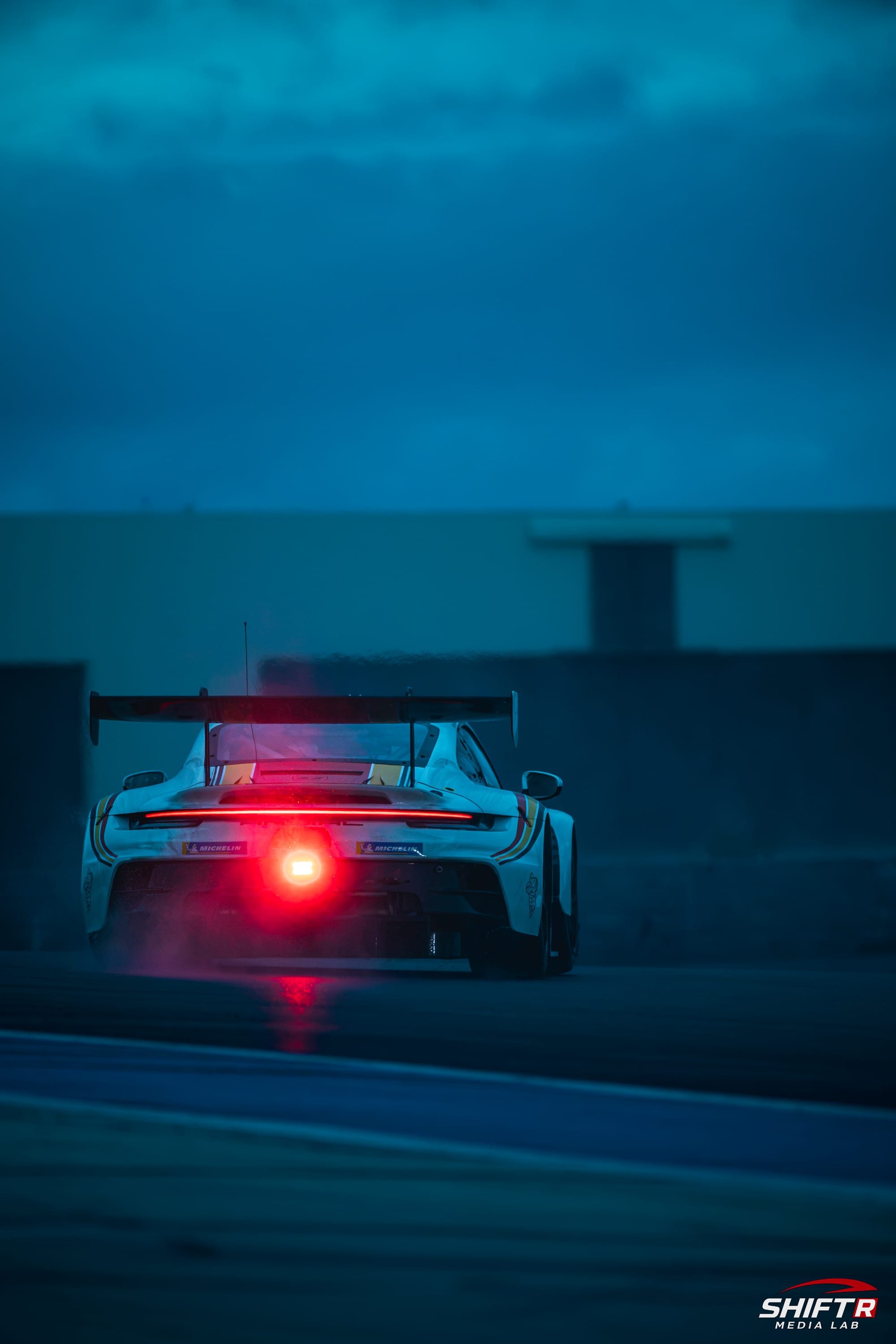
Saturday's persistent rain left standing water across the track, reduced visibility and complicated tyre choices. Headlights reflected off the soaked asphalt as cars disappeared into clouds of spray.
Sunday's improved conditions offered a striking contrast, both for competitors adapting their strategies and for photographers working with changing light.
Ferrari Makes Hypercar History
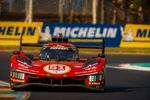
The headline attraction was the arrival of two Ferrari 499Ps, bringing the Hypercar category to the Asian Le Mans Series for the first time.
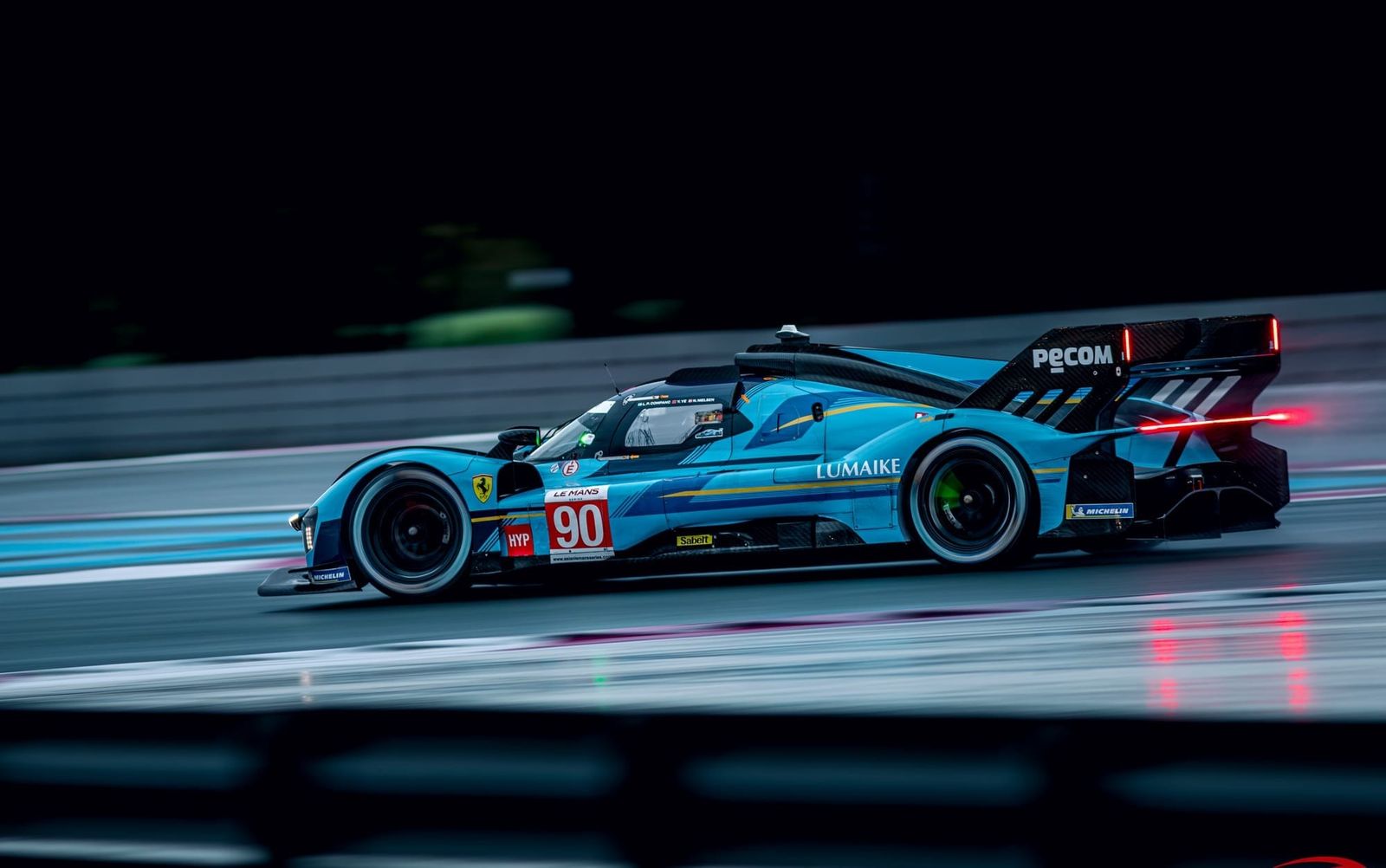
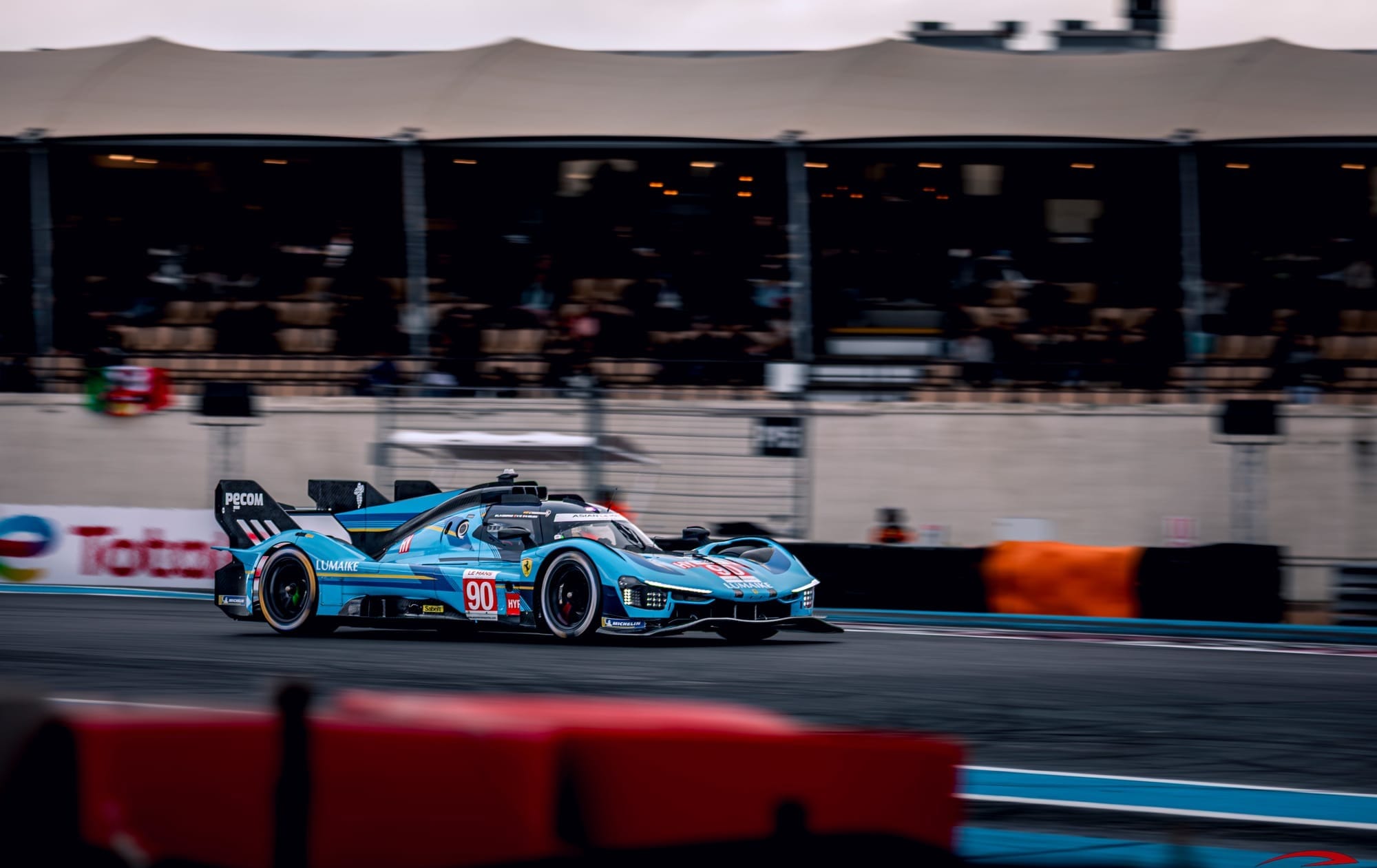
The #47 Cetilar Racing entry paired Roberto and Nicola Lacorte with Ferrari factory driver Antonio Fuoco. Across the garage, the #90 AF Corse car brought together Luís Pérez Companc, Yifei Ye and Nicklas Nielsen.
The Ferraris immediately set the pace. In Saturday's wet opening race, AF Corse led for most of the four hours, but Fuoco mounted a late challenge in the #47. Nielsen held on to win by just 6.348 seconds, delivering the championship's inaugural Hypercar victory.
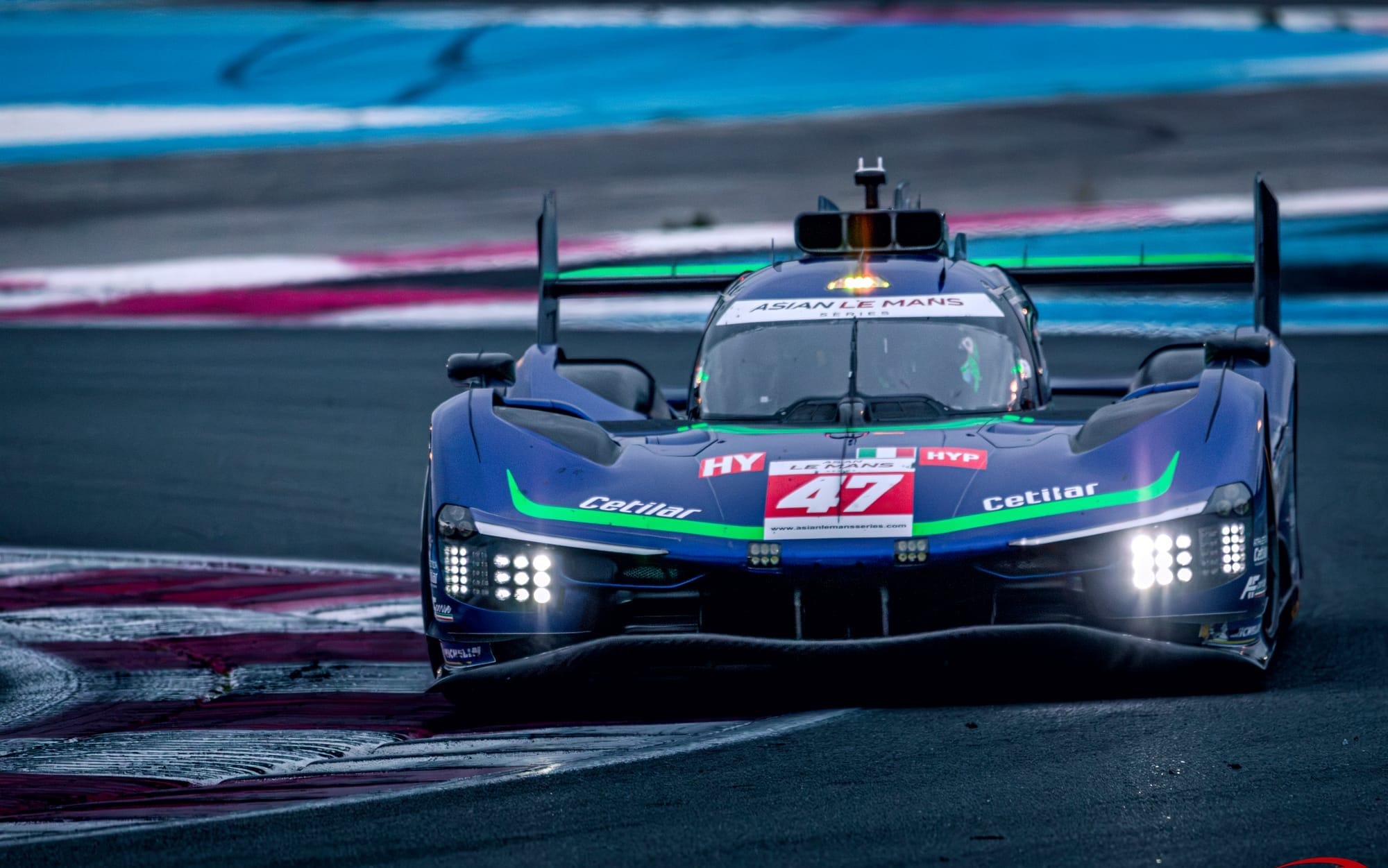
On Sunday, the #90 prevailed again. Another Ferrari one-two confirmed the dominance of the 499Ps and gave AF Corse a perfect start to this new chapter.
LMP2 and GT3: Two Races, Different Winners
Beyond the Hypercar battle, the LMP2 and GT3 fields produced equally compelling stories. Saturday's rain made consistency, visibility and race management just as important as outright pace.
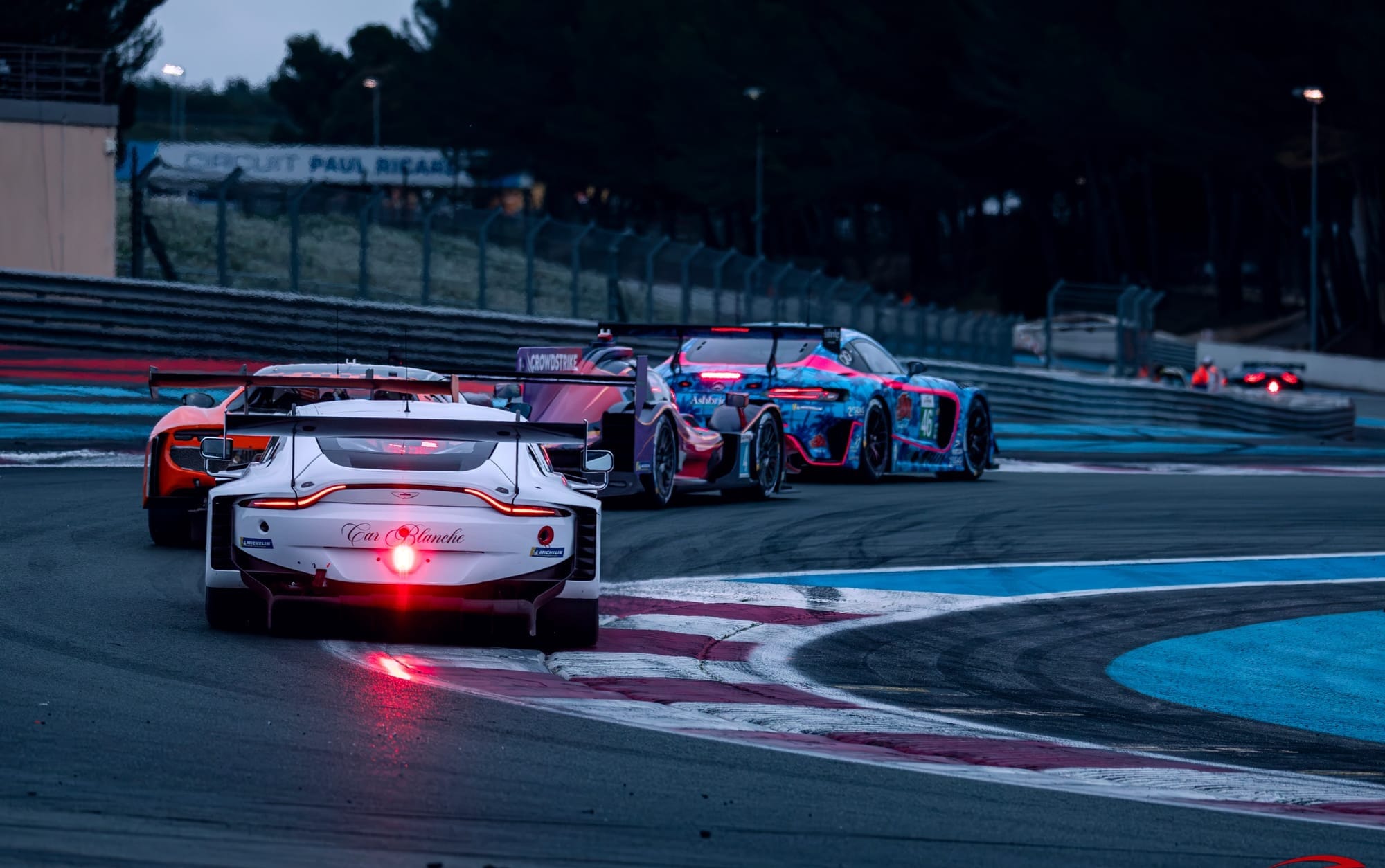
The #25 Algarve Pro Racing Oreca 07, driven by Michael Jensen, Malthe Jakobsen and Enzo Trulli, won LMP2 after a tense final phase shaped by fuel management.
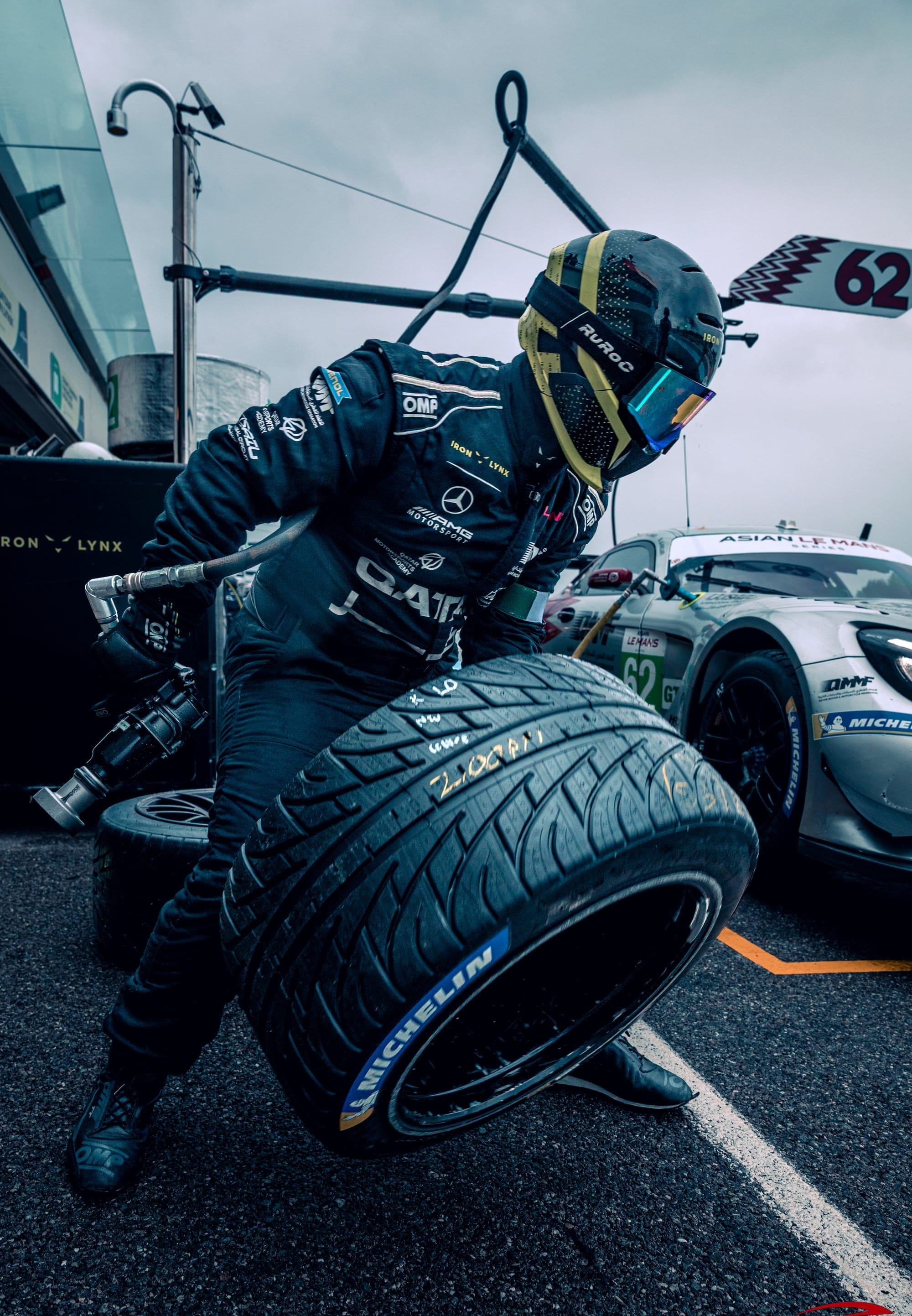
In GT3, the #62 Team Qatar by Iron Lynx Mercedes-AMG staged a remarkable comeback. An accident in practice had left the team without a qualifying time and starting from the back, yet it recovered to win its class in a Mercedes podium sweep.
Sunday brought new winners. The #11 Proton Competition Oreca 07 of Georgios Kolovos, Victor Martins and Charles Milesi took LMP2 honours.
In GT3, the #58 Garage 59 McLaren 720S GT3 Evo won a close fight, Tom Fleming finishing just over four seconds ahead of David Perel in the #50 AF Corse Ferrari.
Across the weekend, the variety of winners in these two categories showed why endurance racing cannot be reduced to a single lap time.
A Paddock Full of Character
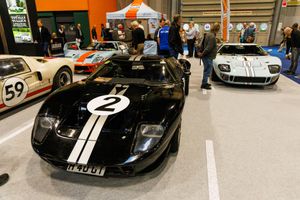
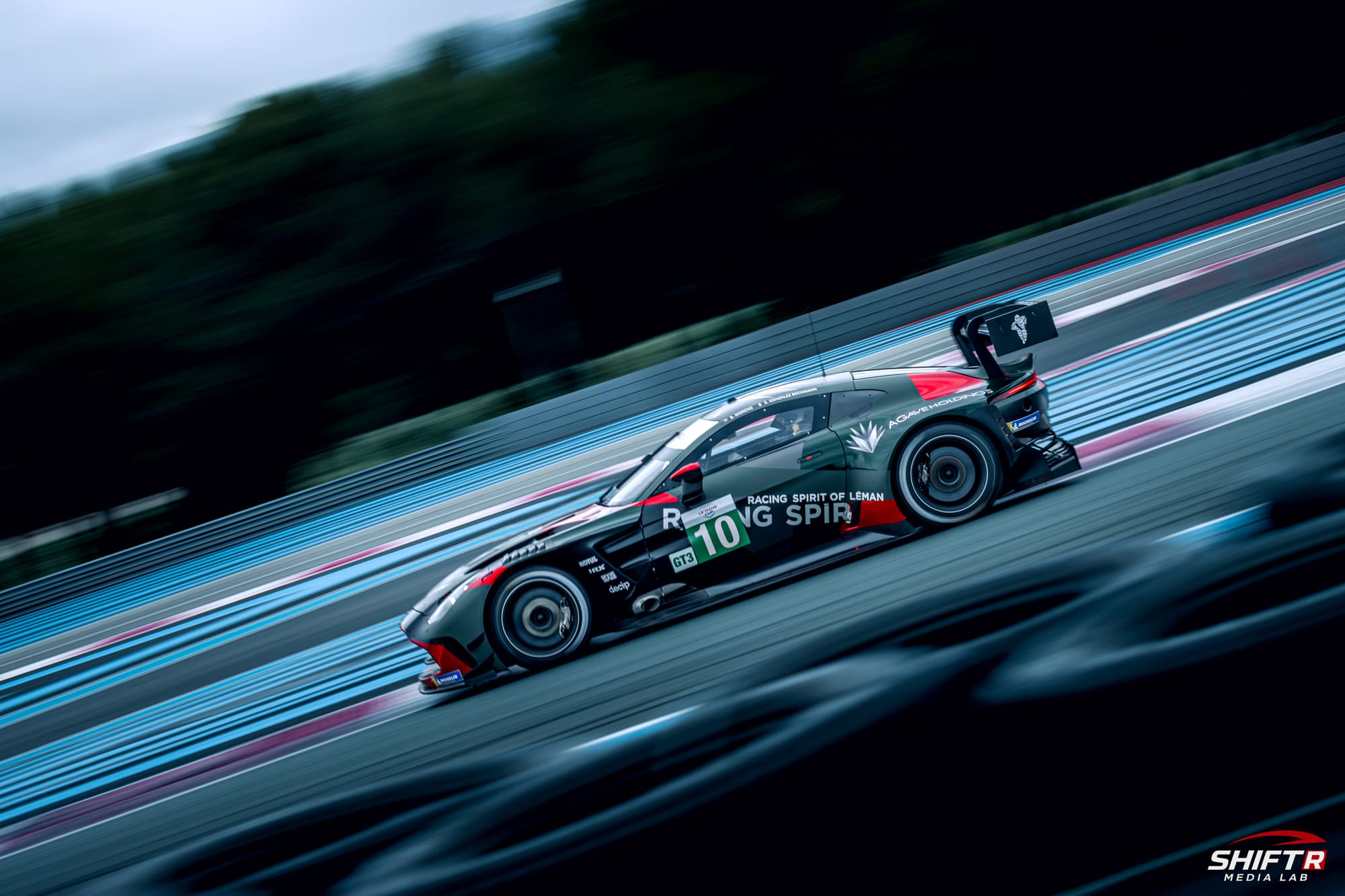
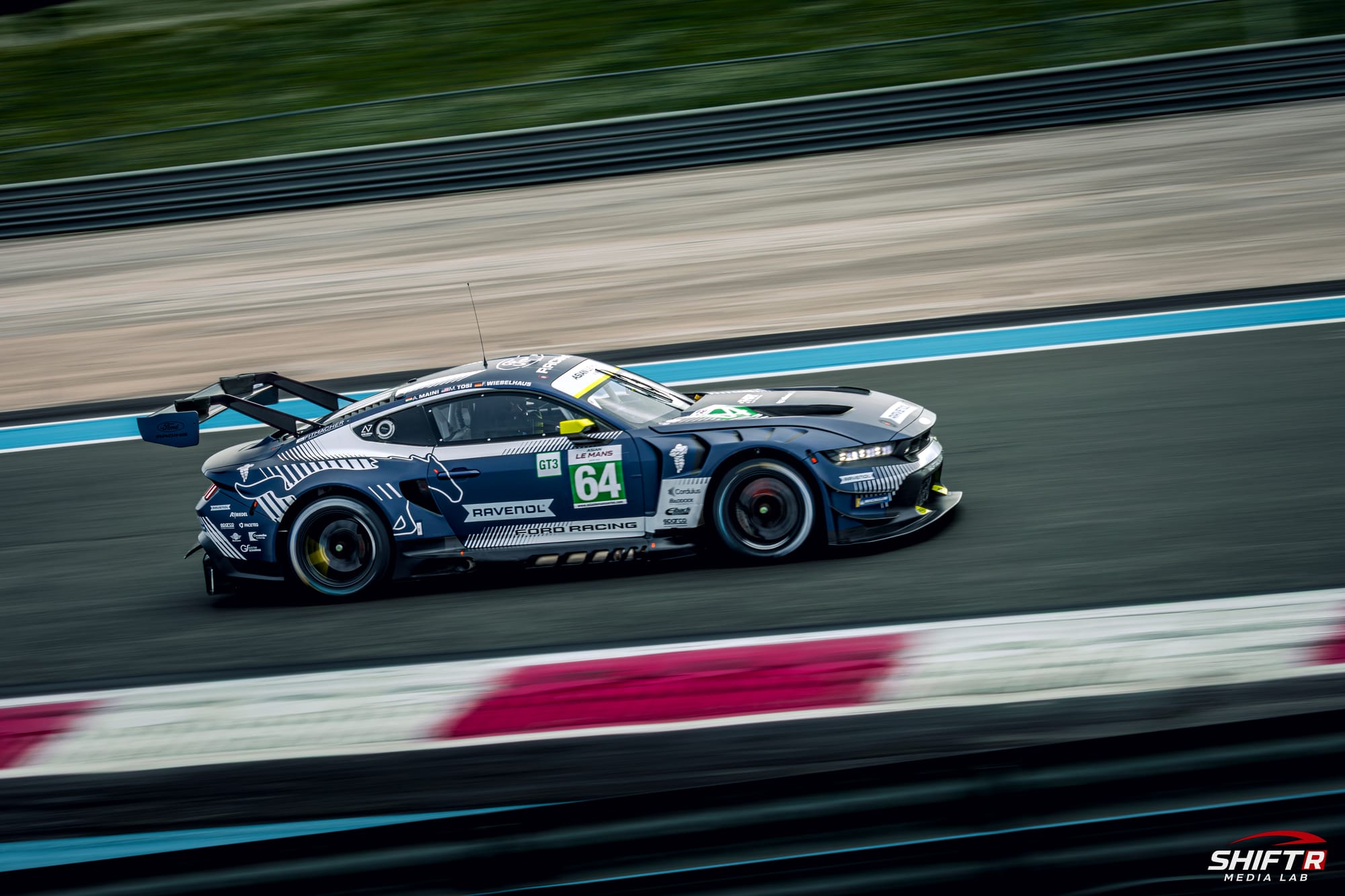
The grid featured 16 LMP2 prototypes and 28 GT3 cars alongside the two Hypercars. The Oreca 07-Gibsons formed the LMP2 field, while Ferrari, Porsche, Mercedes-AMG, BMW, Aston Martin, McLaren and Lamborghini contributed to a diverse GT3 lineup.
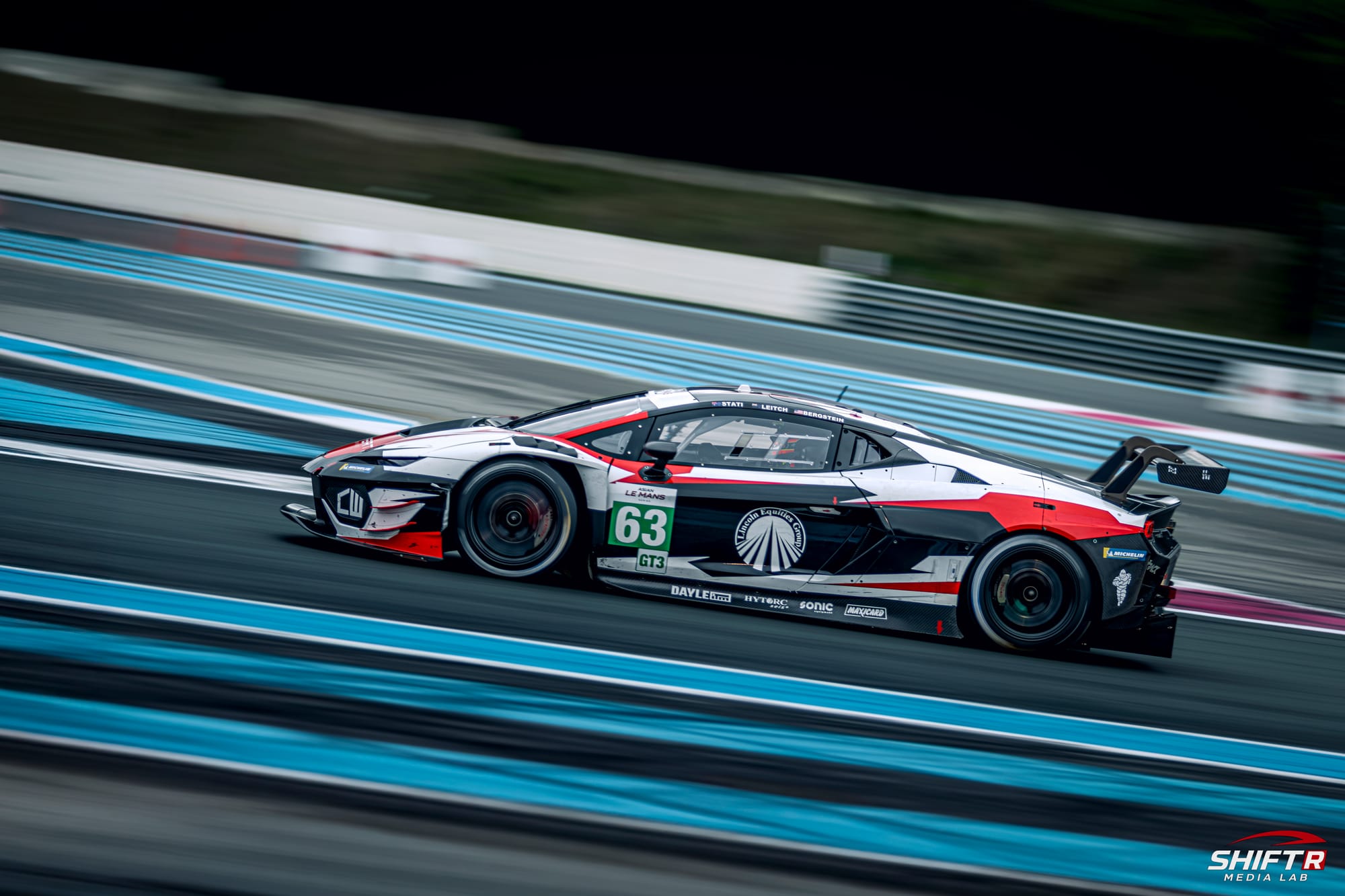
One of the most intriguing newcomers was the Lamborghini Temerario GT3, represented by the #63 Leipert Motorsport and #93 Dfyne Racing Team entries.
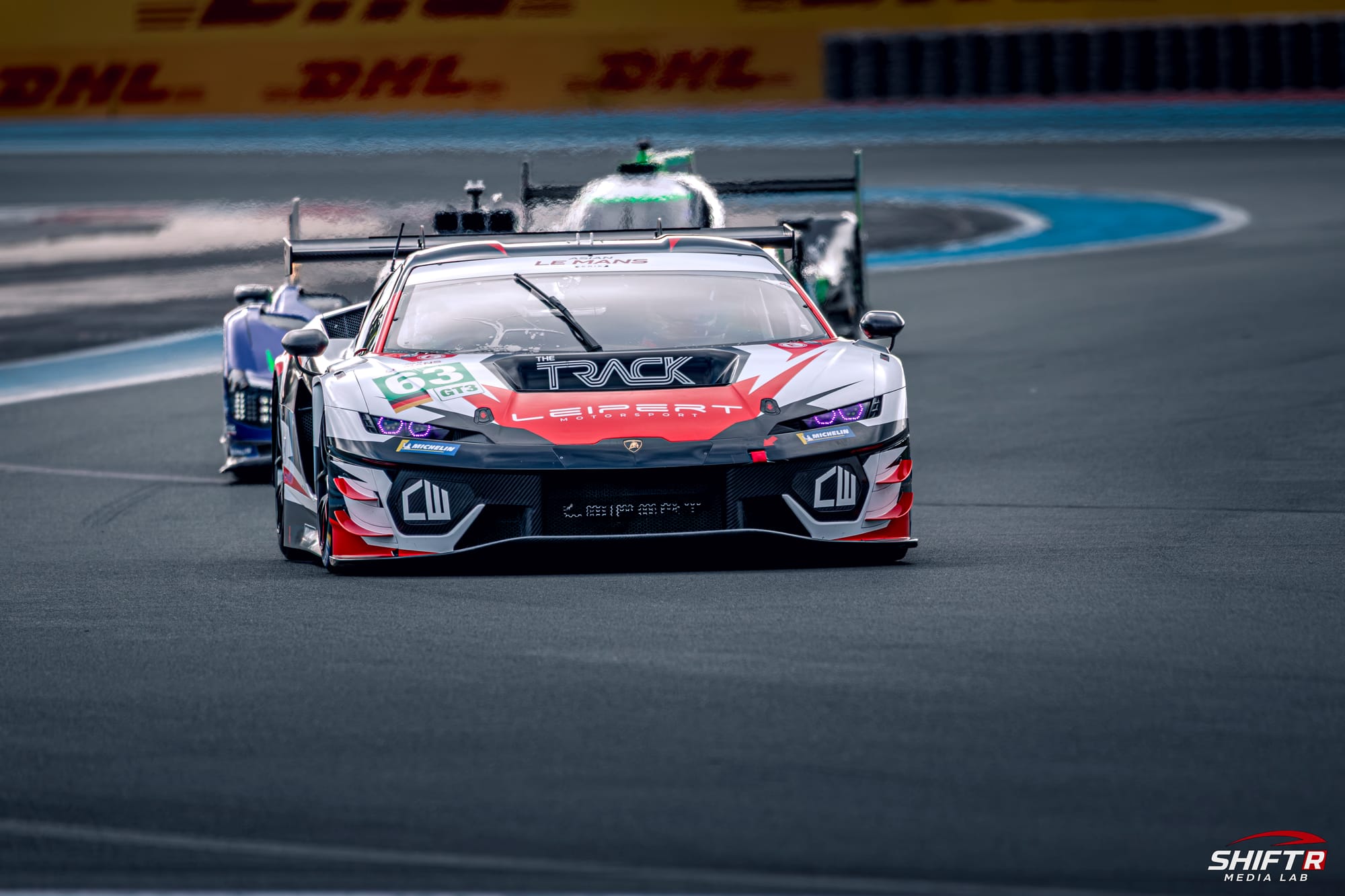
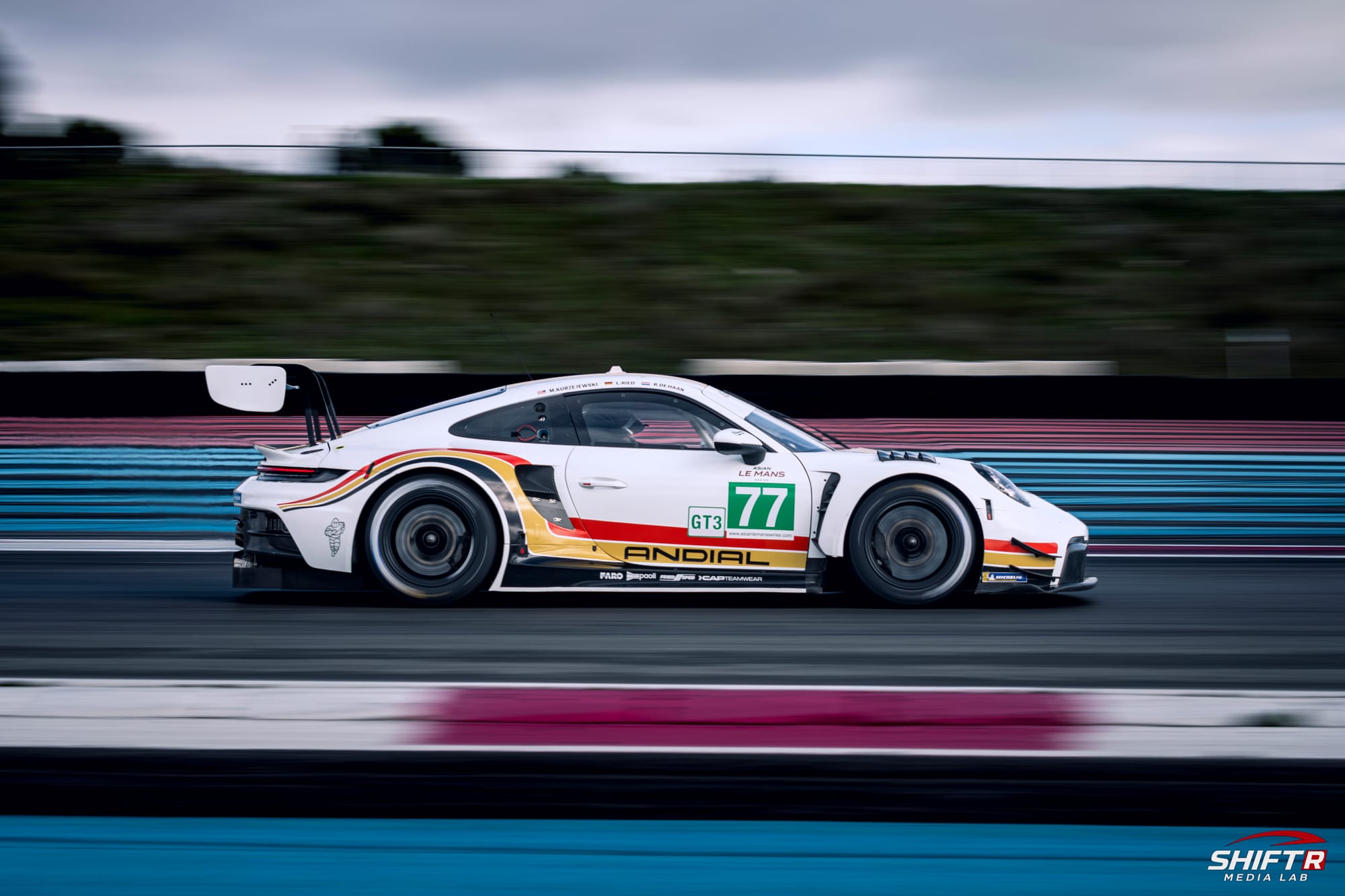
Its angular bodywork contrasted sharply with the unmistakable rear-engined silhouette of the Porsche 911 GT3 R Evo.
For a photographer, these differences provide as much visual interest as the racing itself. Each model has its own lines, colours and character, whether captured in a long panning shot or as a static portrait in the paddock.
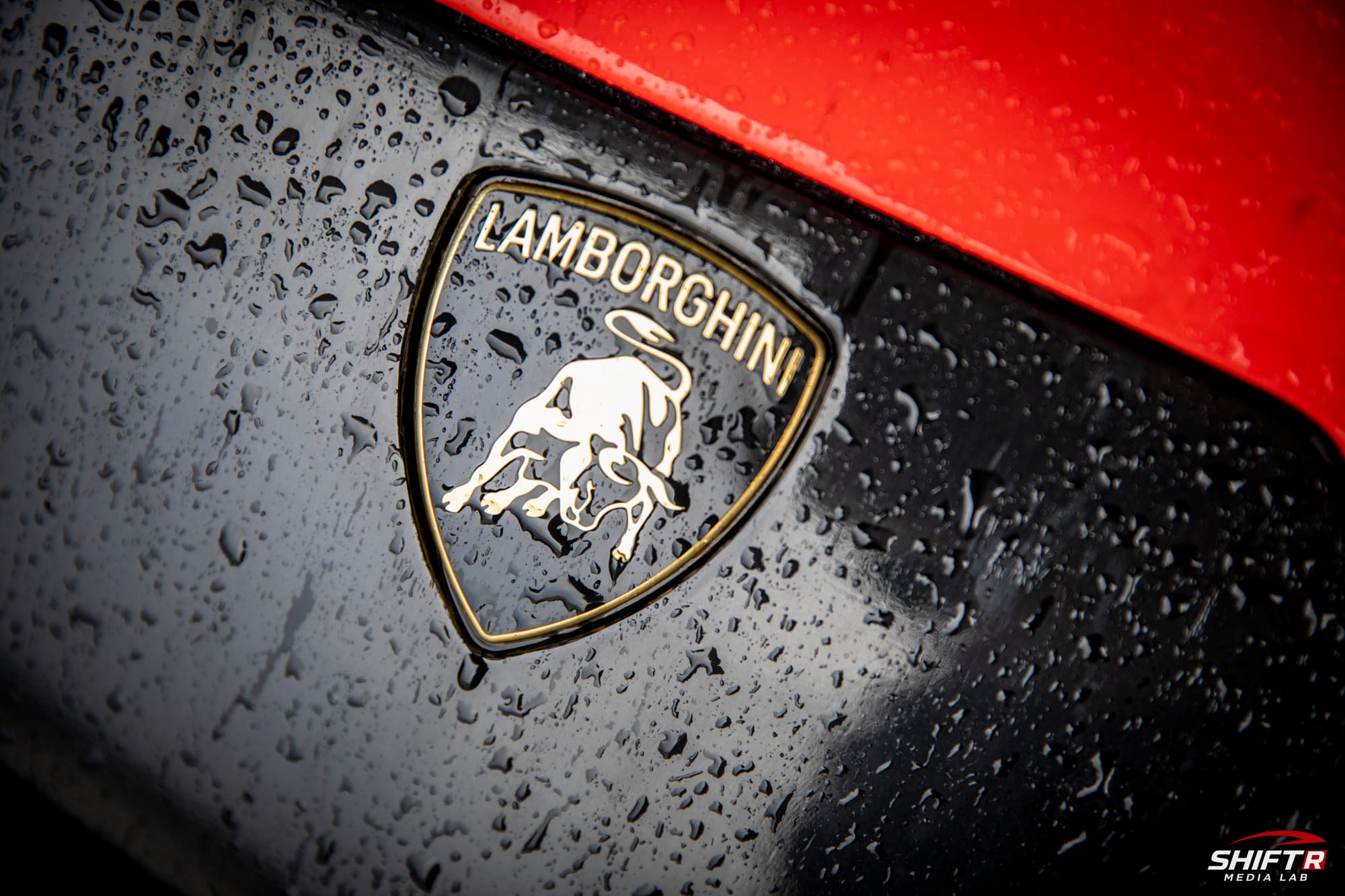
Even a detail as small as a rain-covered emblem can communicate the atmosphere of a race weekend, without showing the competition itself.
Famous Names Across the Paddock
The driver list was no less impressive. Former Formula One driver Jack Doohan joined AF Corse's #55 LMP2 entry, while Enzo Trulli and Formula 3 champion Victor Martins added further familiar names.
Ferrari factory drivers Fuoco, Nielsen and Ye brought top-level endurance experience to the new Hypercar category.
Behind the Lens: More Than Racing Cars
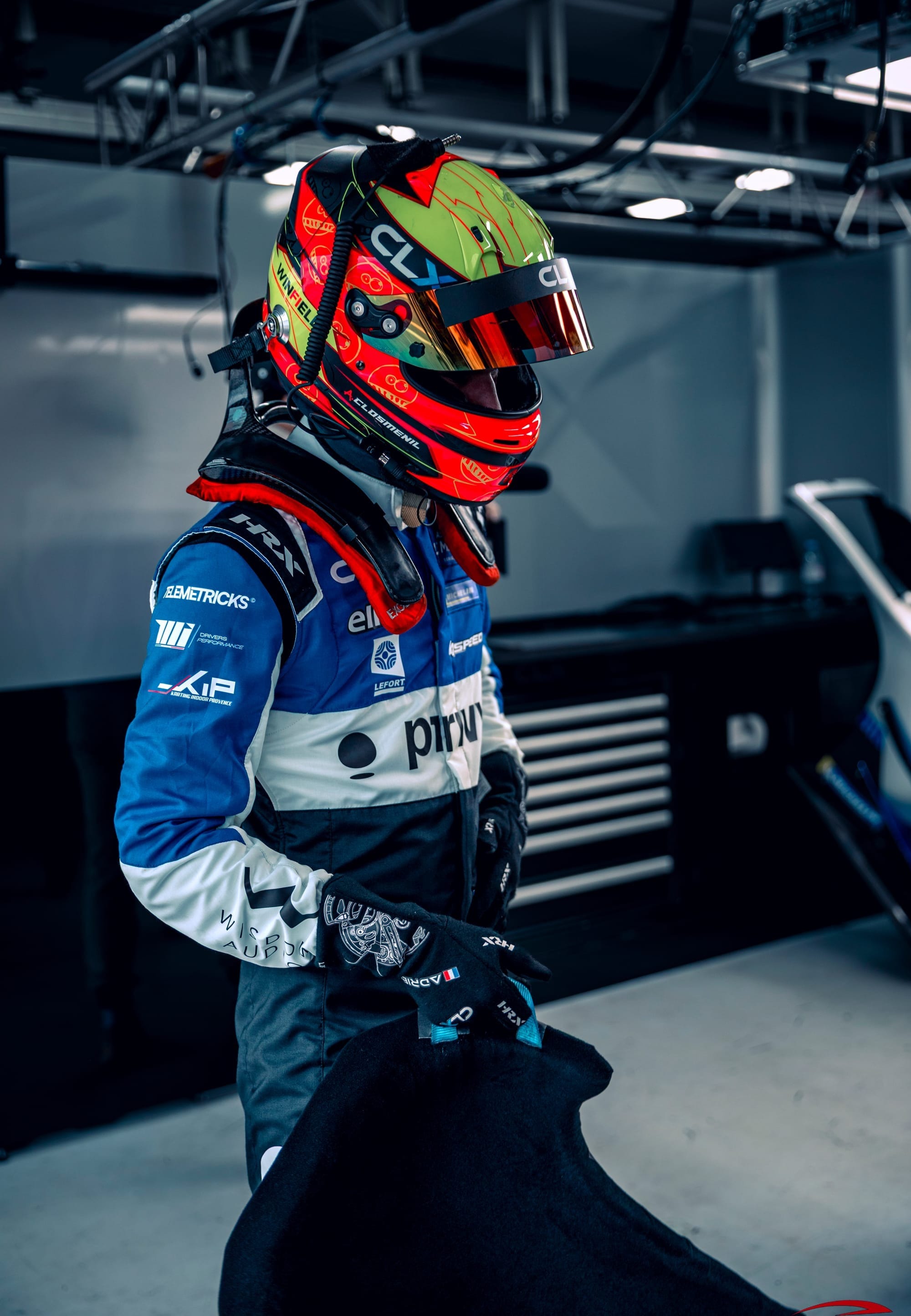
With access to trackside positions, the pit lane and the paddock, I wanted to document more than the action on the circuit.
Endurance racing is a collective effort, and much of its most revealing activity takes place out of the spectators' view.
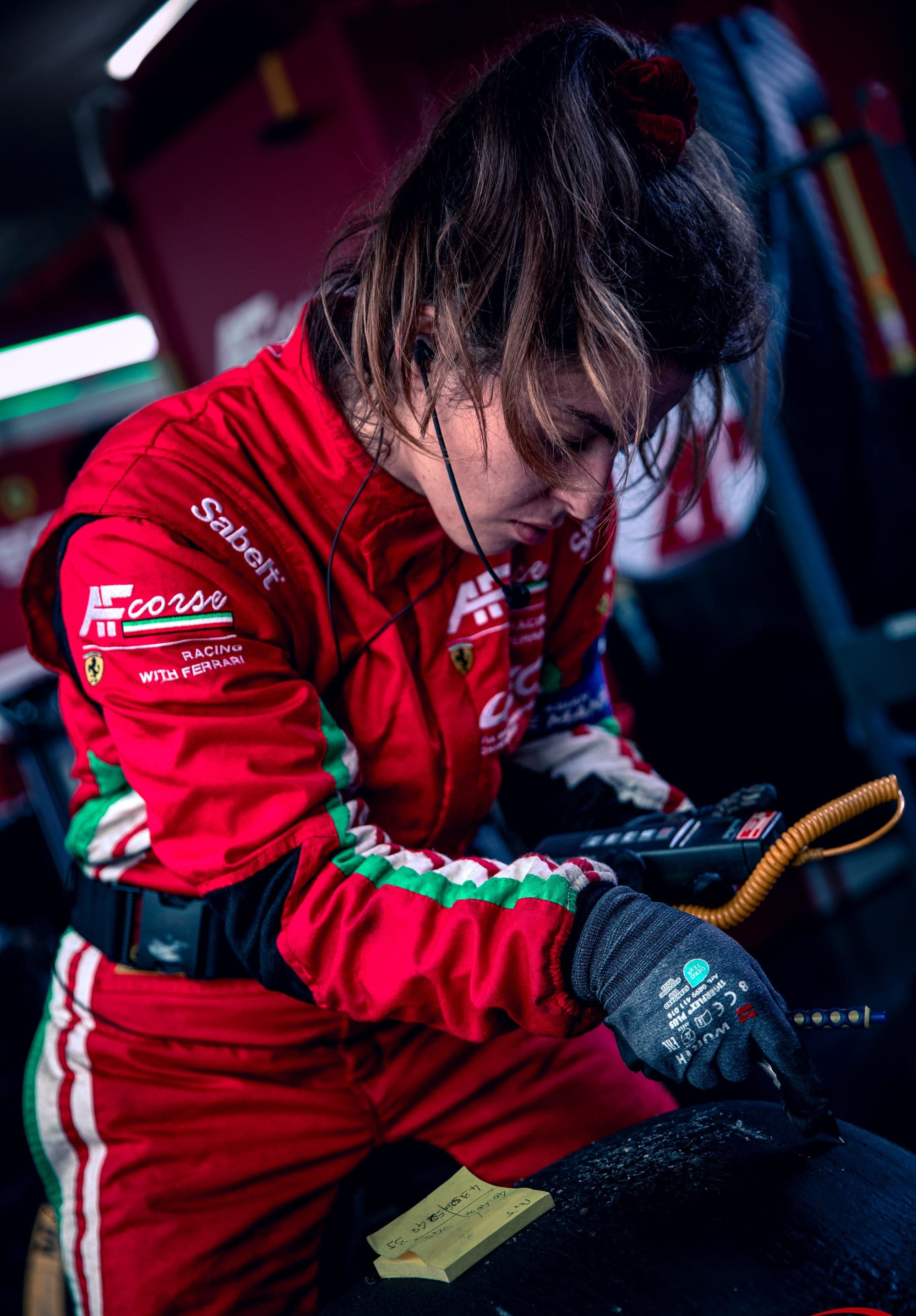
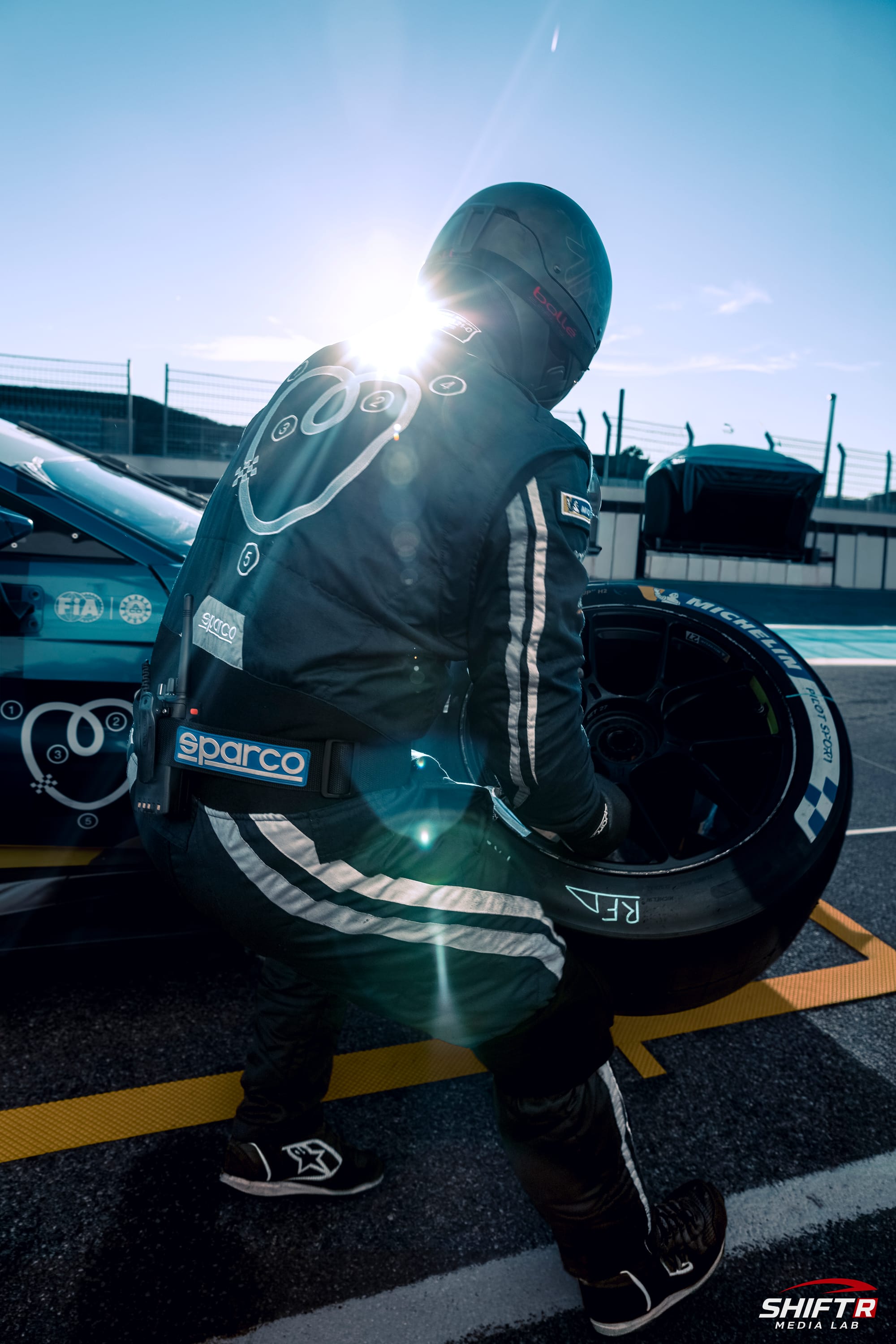
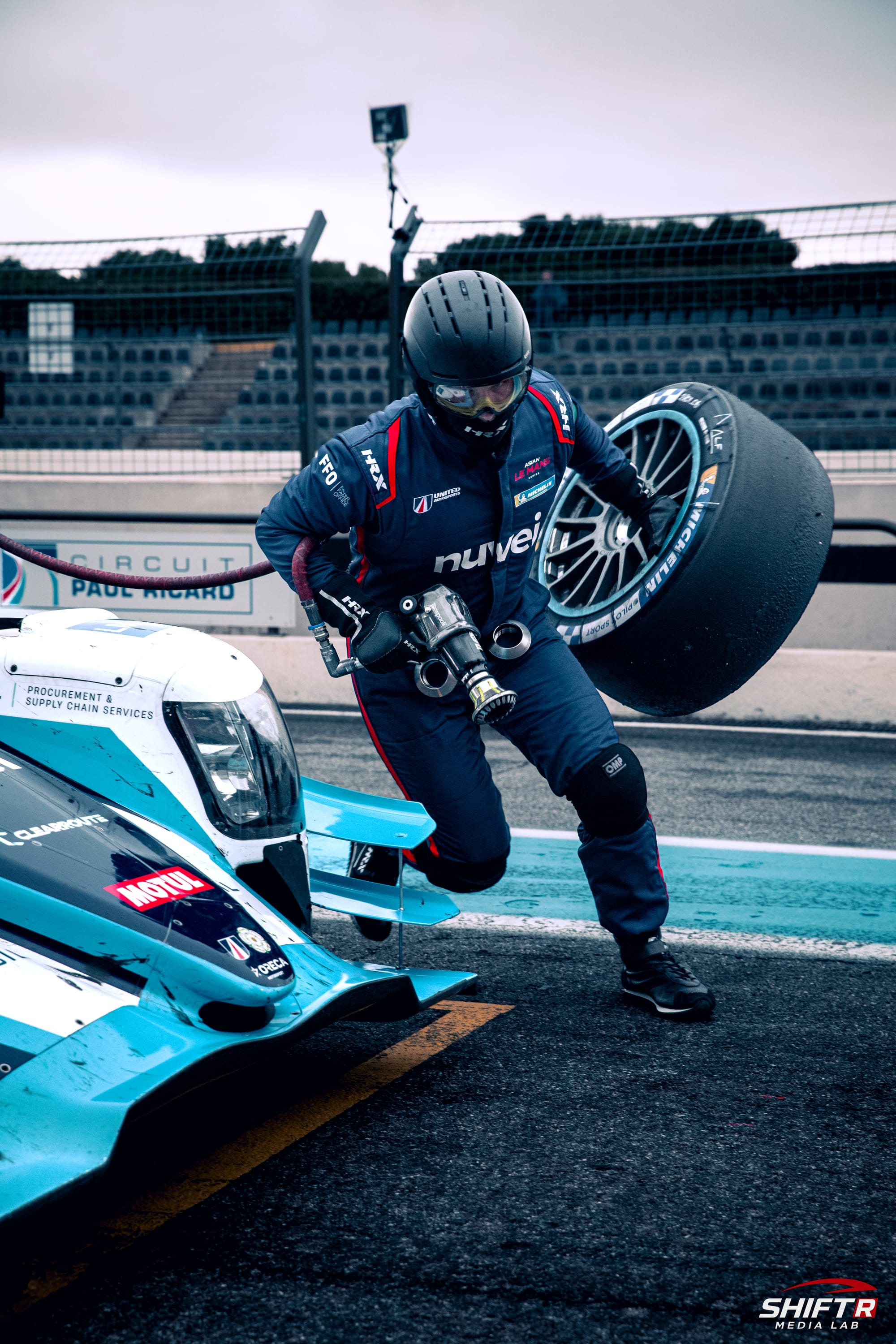
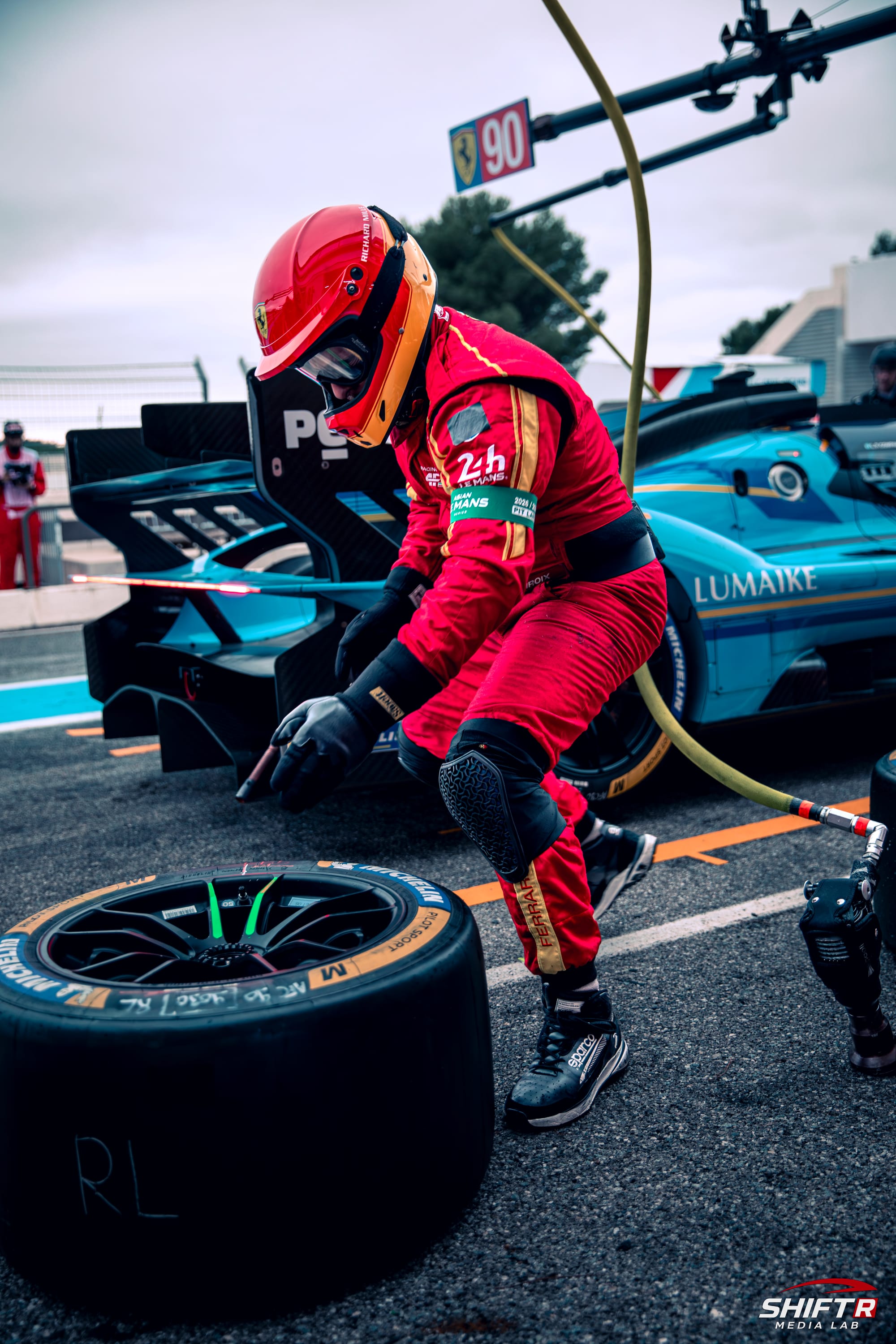
Mechanics inspect parts, prepare wheels and execute pit stops under constant time pressure. Their movements are precise, physical and carefully coordinated.
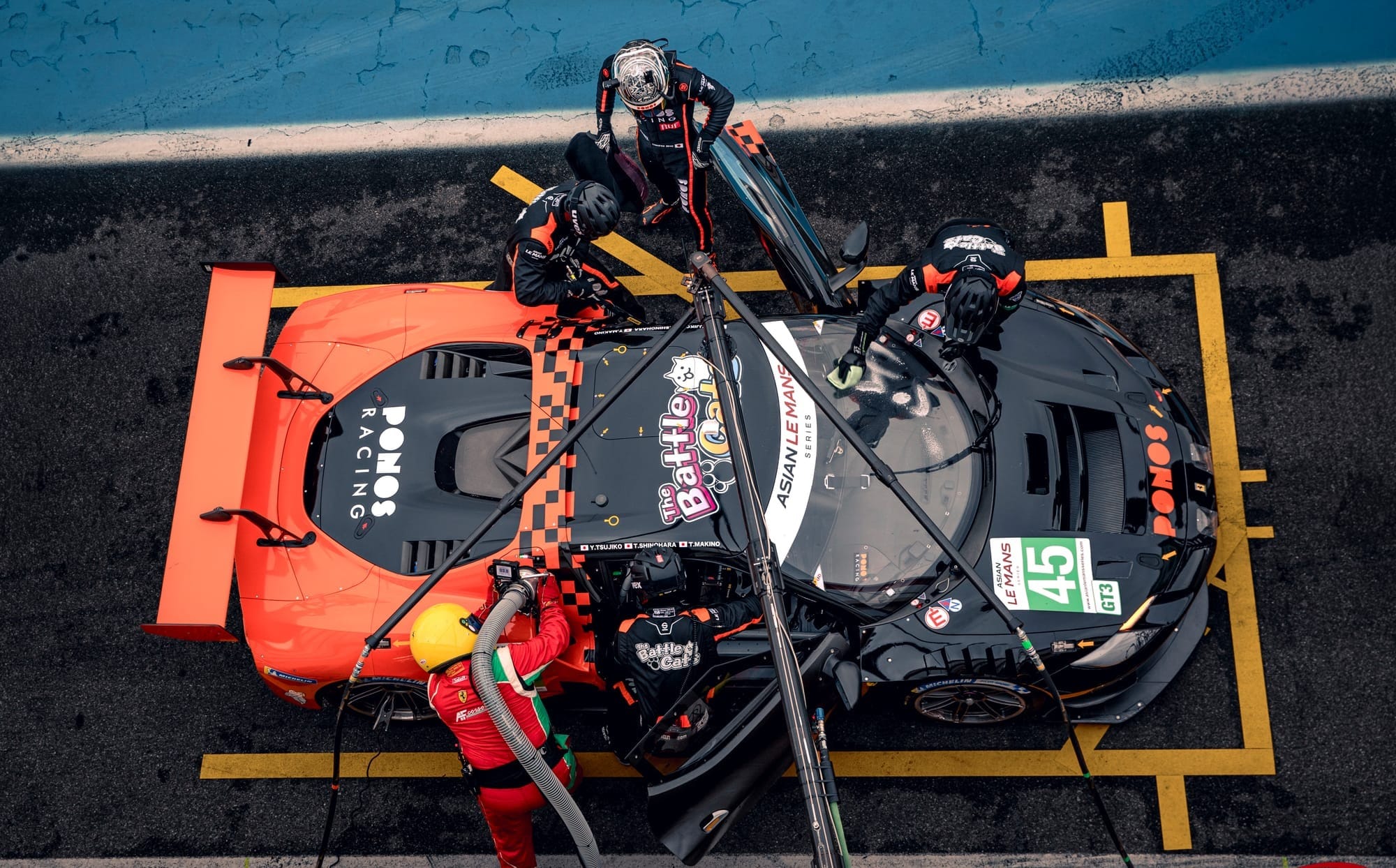
Seen from above, a pit stop can resemble choreography; up close, it becomes a sequence of gestures, tools and concentrated faces.
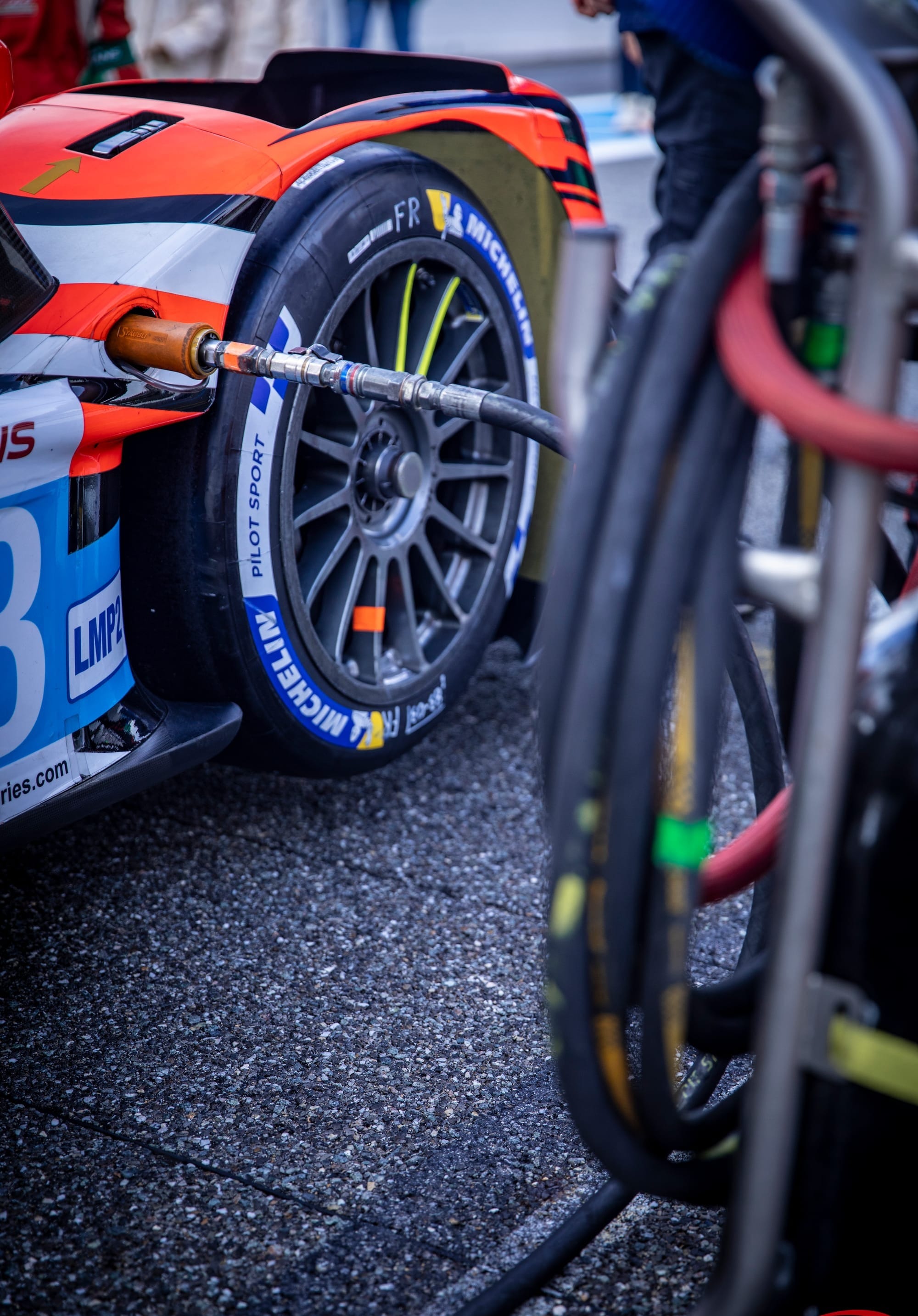
The weight of a wheel, the awkward positions and the need to work accurately under pressure give these scenes a physical intensity that a television broadcast rarely captures.
Beyond the Chequered Flag
Paul Ricard's opening weekend showed a championship in transition without losing the essence of endurance racing.
Ferrari's historic Hypercar debut and AF Corse's double victory grabbed the headlines, while four different teams won across LMP2 and GT3. The difficult Saturday weather and improved Sunday conditions demanded different skills from everyone involved.
For me, the weekend also reinforced what makes this discipline so rewarding to photograph.
The spectacle matters, but so do the mechanics, drivers, fleeting light and small details that rarely appear in the results.
Together, they tell the story of endurance racing.
A New Chapter for Endurance Racing
The opening round of the 2026/27 Asian Le Mans Series demonstrated how a championship can evolve while preserving the fundamental spirit of endurance racing.
The exceptional move to Europe created an unusual setting for the series, but the competition itself delivered exactly what endurance racing promises.
Two Ferrari 499Ps made history by introducing the Hypercar category to the championship.
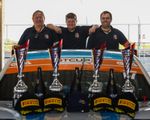
AF Corse celebrated a remarkable double victory, while Algarve Pro Racing, Proton Competition, Team Qatar by Iron Lynx and Garage 59 shared the honours in LMP2 and GT3.
For me, the weekend was also another opportunity to explore the diversity of motorsport photography.
From the spectacular presence of Ferrari's Hypercars to the quieter moments inside the pit lane, the event provided countless opportunities to capture the many different dimensions of endurance racing.
Ultimately, what makes this sport so fascinating is not simply the speed of the cars or the prestige of the manufacturers.
It is the combination of machines, people, technical expertise and determination required to compete at this level.
The Asian Le Mans Series may have temporarily left Asia behind.
But at Circuit Paul Ricard, it demonstrated that the spirit of endurance racing knows no geographical boundaries.
Photography and report: Régis Ghibaudo | Shift-R Media Lab
Images Courtesy of Shift-R Media Lab