By Matthew Jordan There are few objects in motorsport that carry the same emotional significance as a racing helmet. For the driver, it is arguably the most personal piece of equipment they own. It sits inches from their face through every qualifying lap, every race, every battle and every victory, while its design becomes an important part of their identity.
For the fan, the helmet represents something equally powerful. It represents the driver, their personality, their colours, their number, their sponsors and, ultimately, the memories created along the way.

My fascination with racing helmets goes back many years. Around a decade ago, we launched the ROUX Water-Cooled helmet brand in Europe, an experience that gave me a much deeper appreciation of just how important the helmet is within motorsport. I became fascinated not only by the technical side of the product, but also by the design, the branding and the emotional connection that develops between a driver and the helmet they wear. That fascination has continued through my work in motorsport and, particularly, through my involvement in Athlete Development and working with young racing drivers as they begin building their careers. One example that stands out is Luke Browning. When Luke was younger, I was involved in giving him his first Roux ambassador helmet, as well as being involved in the process of getting the helmet painted and developed into something that represented his identity as a young driver.
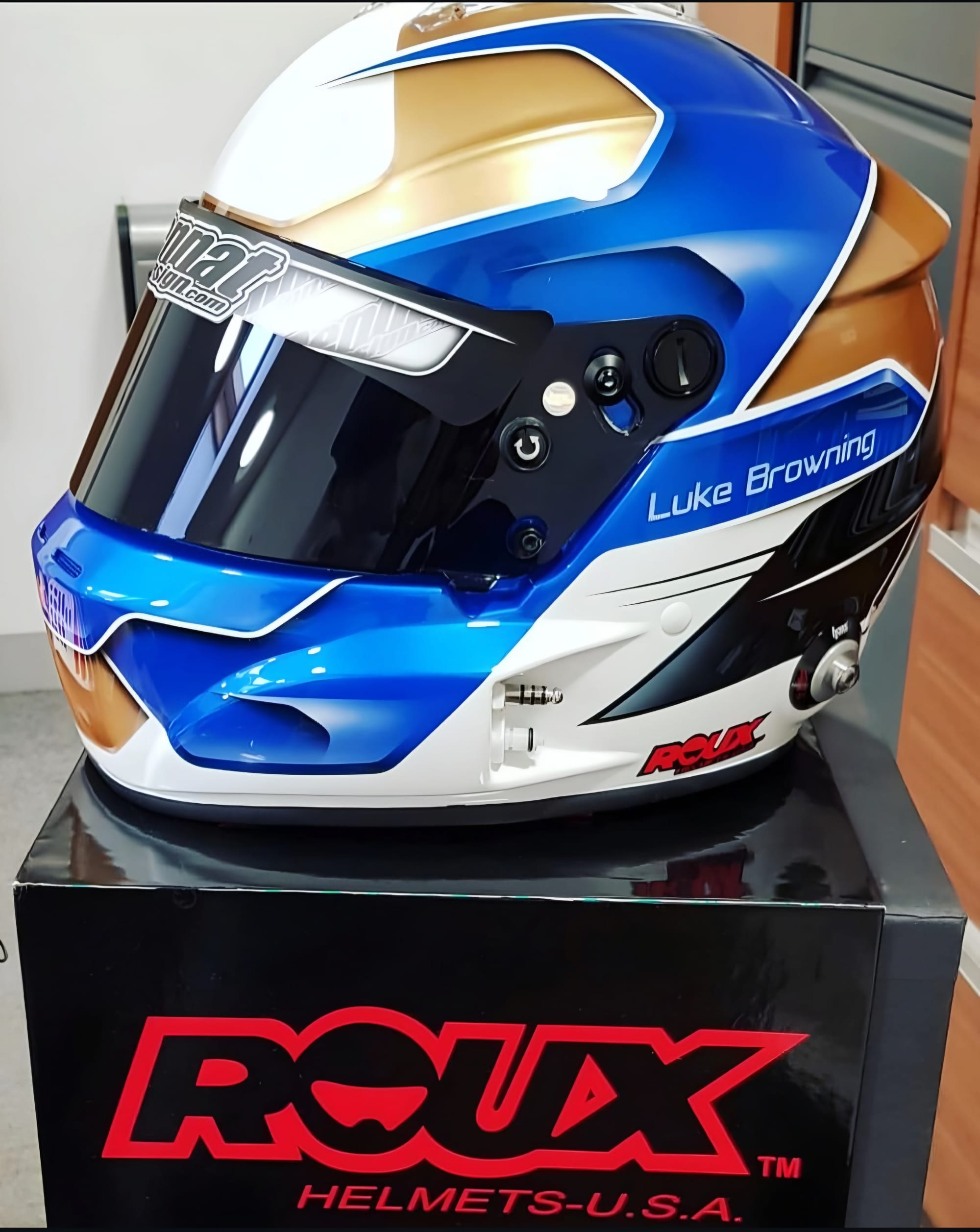
At the time, it was simply part of helping a young racing driver develop his identity and profile. Looking back, however, it demonstrated something that I have come to appreciate even more over the years: a racing helmet can become a physical record of an athlete's journey. Speak to a professional driver about their helmets and there is often a story attached to every one. There is the Formula 4 helmet, the Formula 3 helmet, the first championship, the first major victory and eventually the helmet from the next stage of their career. Many drivers keep those helmets together in a special room or display area, effectively creating a physical timeline of their journey through motorsport.
That is what makes helmets different from so many other pieces of racing equipment. Cars change, teams change, sponsors change and machinery evolves, but the helmet follows the driver. It remains an incredibly personal representation of who they are, and its design can become recognisable to fans around the world. When a helmet becomes an identity Modern Formula 1 has taken helmet design and driver branding to another level. A driver can often be identified simply by the colours and graphics on their helmet, sometimes before the car itself is even visible. The helmet has become part of the athlete's personal brand, and that is particularly important in an era when drivers have enormous global followings. The design can also evolve throughout a career. Drivers may introduce special designs for particular Grands Prix, home races, anniversaries, championship celebrations or significant personal moments. That means a helmet isn't necessarily associated with an entire season. It can represent one particular race or one particular moment in time. This is where the world of miniature helmets becomes particularly interesting.
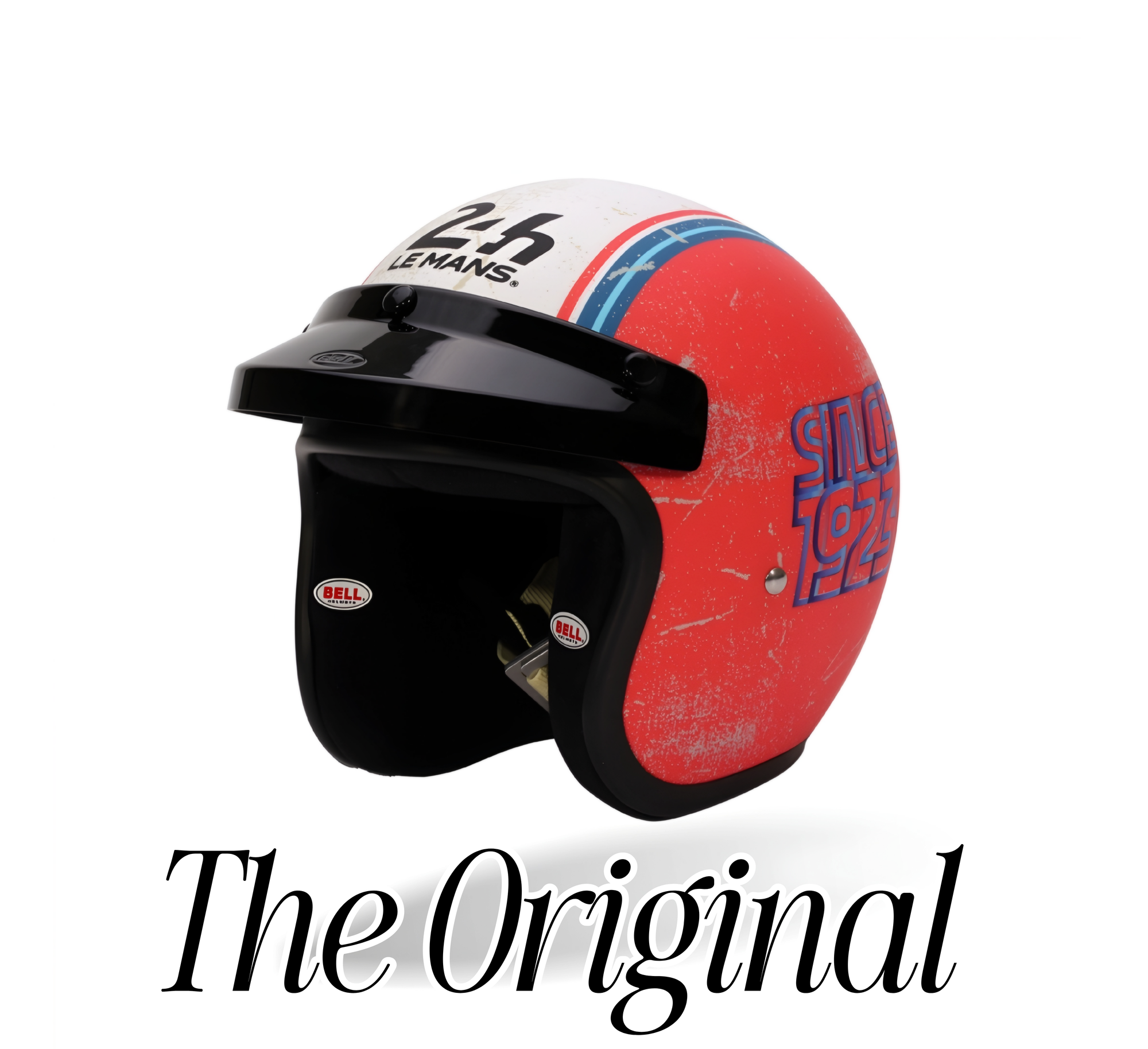
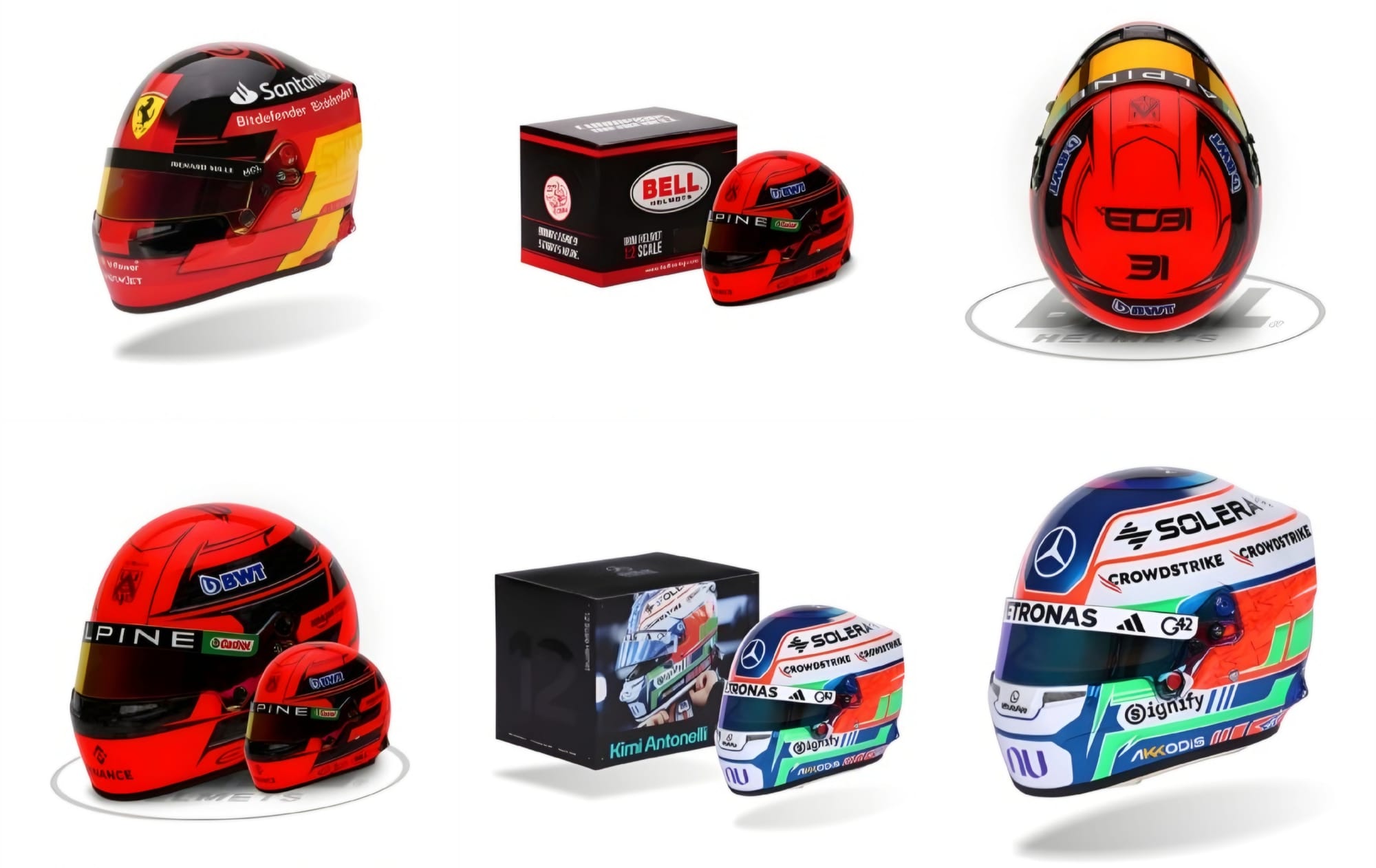
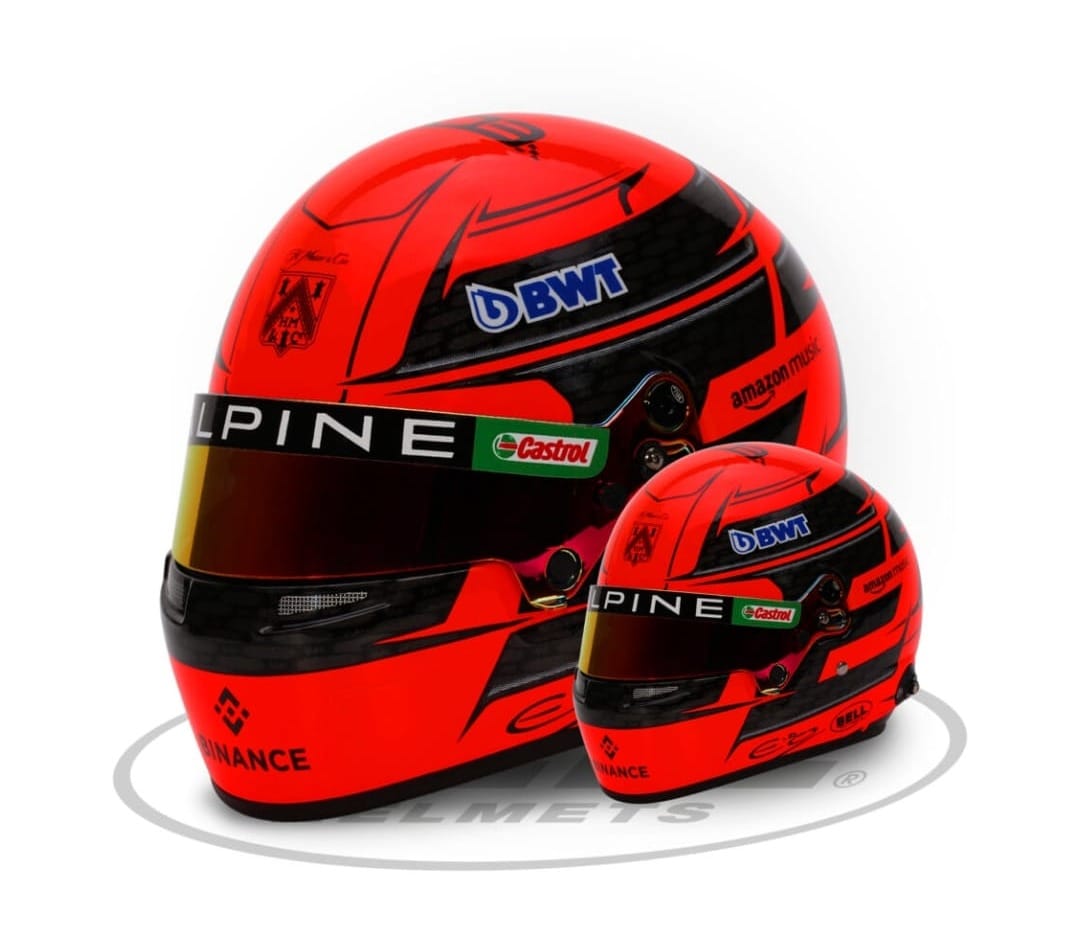
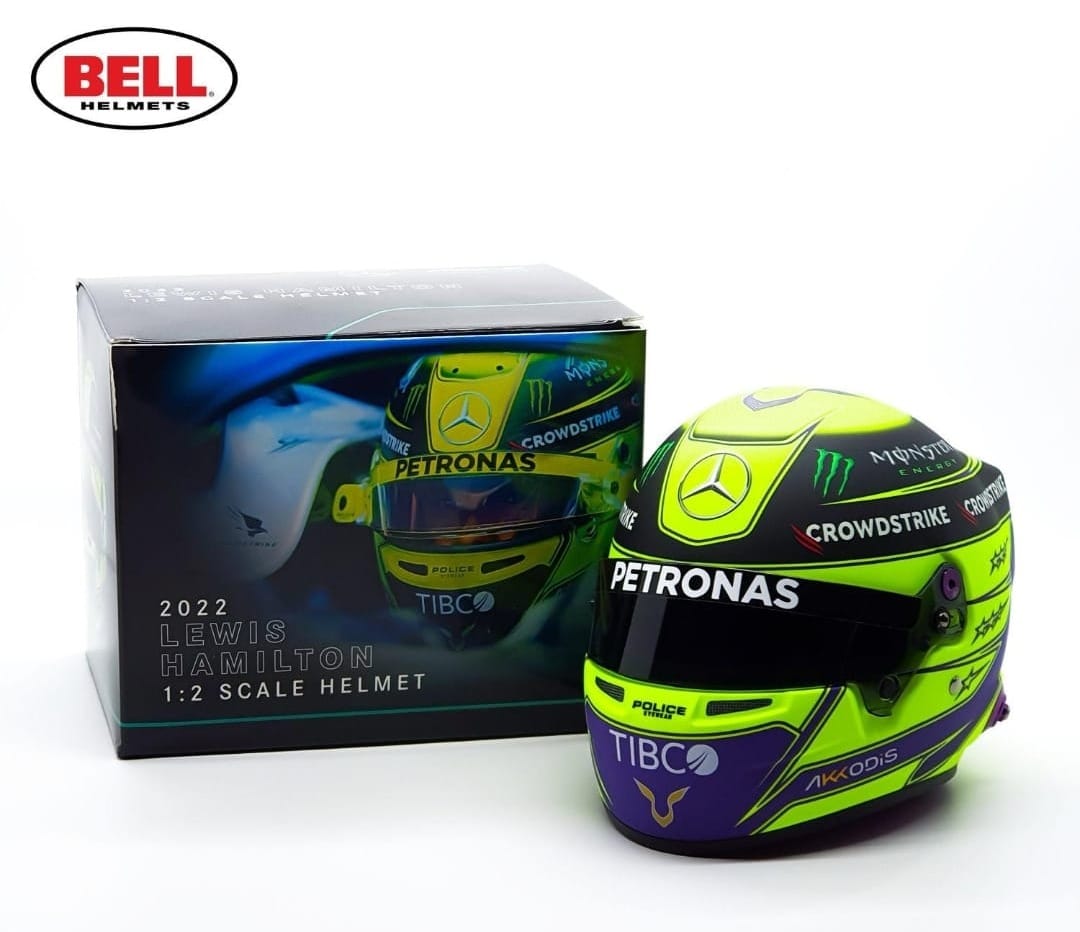
Bell's 1:2 scale mini helmets have tapped directly into that emotional connection. They allow fans to own a highly detailed representation of the helmet worn by their favourite driver without needing to acquire the considerably rarer and more expensive full-size original. The appeal is obvious, but it goes beyond simply having a miniature version of something that looks good on a shelf. A collection of mini helmets can become a visual history of Formula 1. It can tell the story of a driver, a team, a championship or an entire generation of the sport. And when the design represents a specific moment in a driver's career, the significance can become even greater.
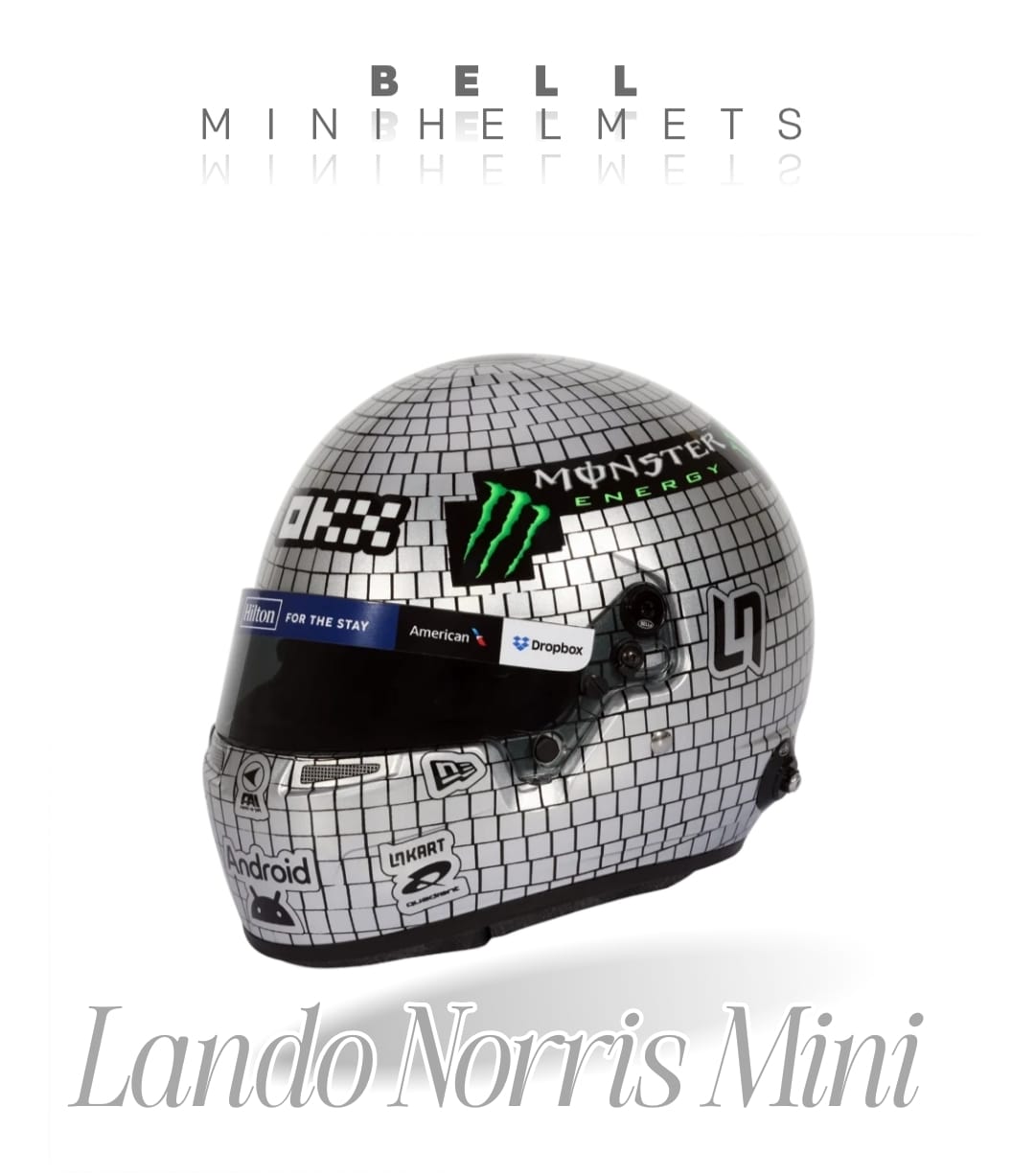
A miniature helmet from a driver's first Formula 1 season is interesting. One from their first victory becomes more significant. A design from a championship-winning season potentially becomes something altogether different. The object hasn't changed. The story attached to it has.
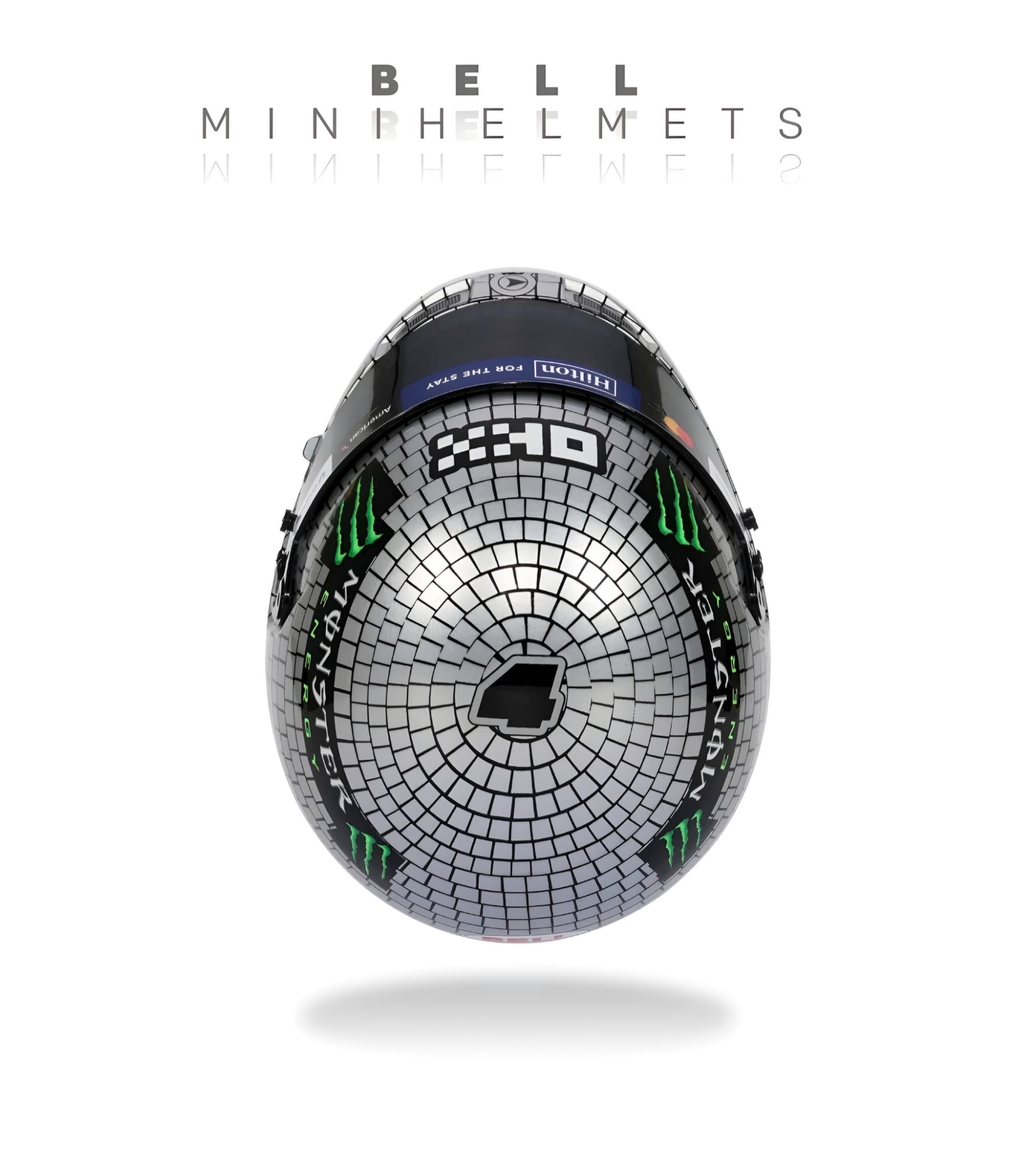
From merchandise to memorabilia This is where I believe the commercial side of mini helmet collecting becomes particularly fascinating. There is an important difference between buying a piece of merchandise that will remain available for years and buying a collectable that represents a specific moment in time. When Bell produces a particular driver design, there is a finite production run. Once that design has been released and the production is finished, that particular version is discontinued. It isn't simply an item that can continue to be manufactured indefinitely whenever demand appears.
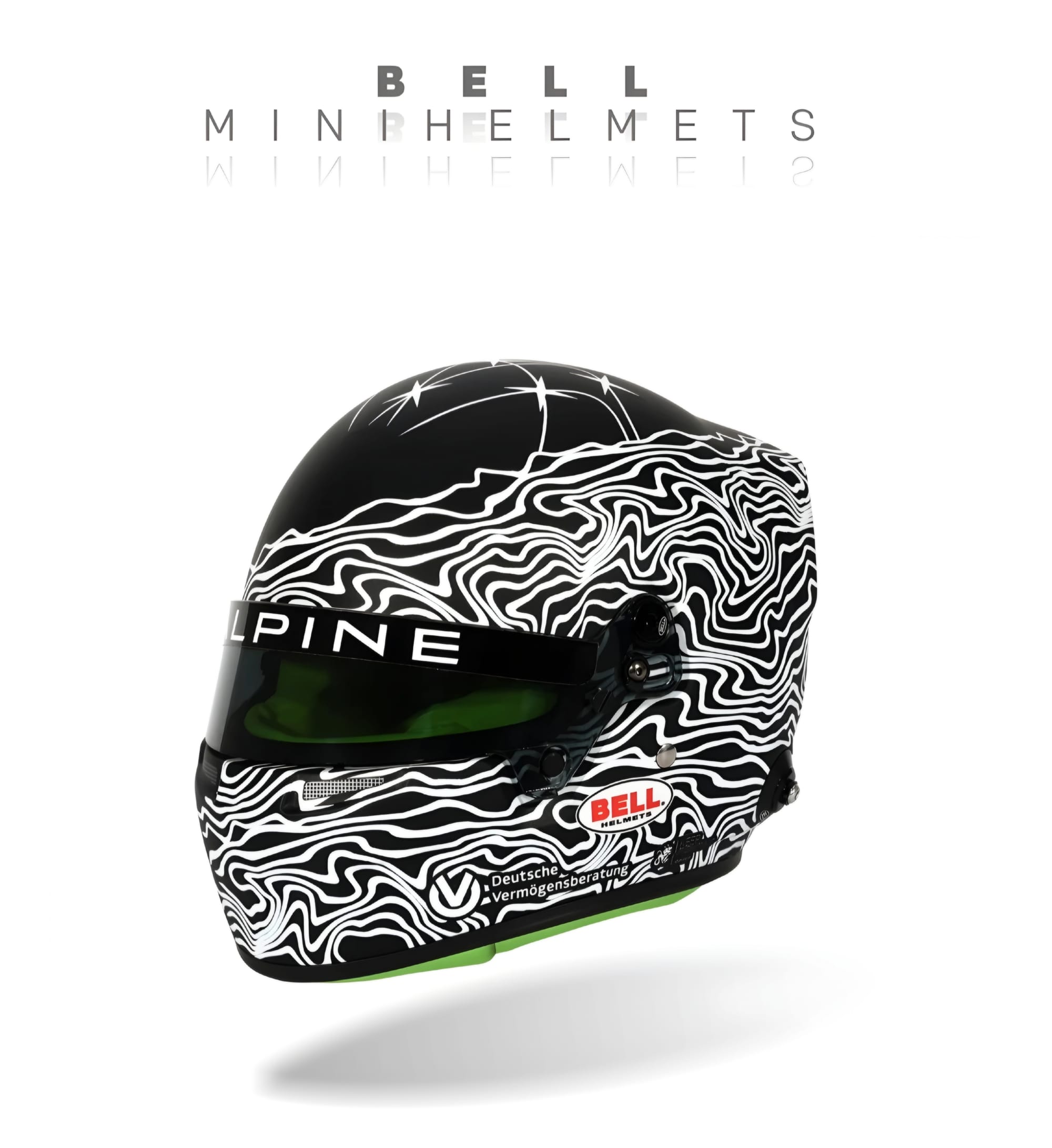
That creates an important dynamic for collectors. The driver may change their helmet design. They may move teams. Their sponsors may change. They may progress to another category or eventually leave Formula 1. Bell will then move on to producing the next version, but the previous design represents a moment that has already passed. And once production of that particular design has ended, it becomes increasingly difficult to acquire a brand-new example. That is where the commercial potential becomes particularly interesting.
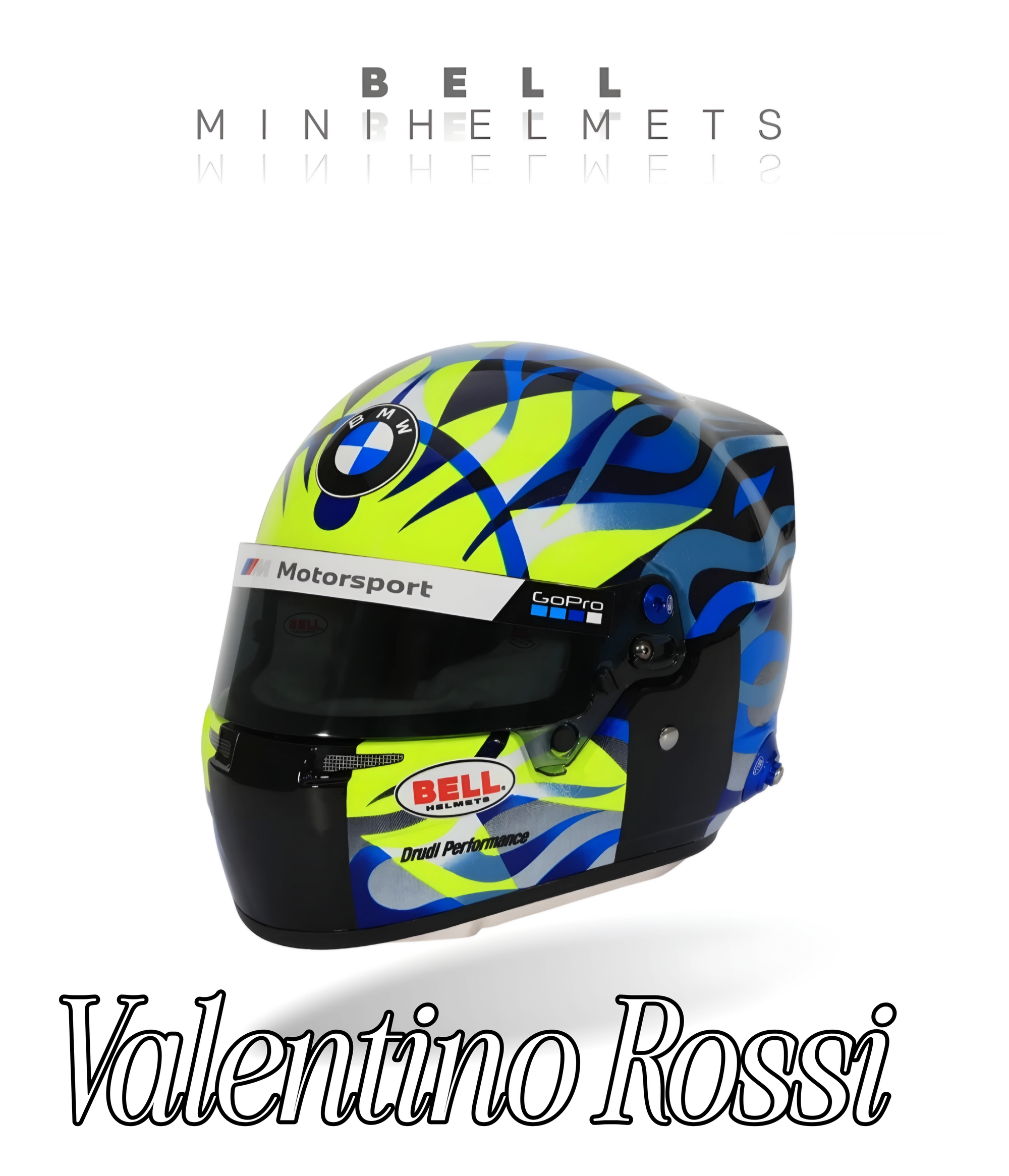
Scarcity alone doesn't make something valuable. There needs to be demand, and that demand is usually driven by the significance of the driver and the story attached to the object. But when you combine a limited production run with a hugely popular driver, a major championship, a memorable race or a defining moment in a career, the potential for long-term collectability becomes much more compelling. Today's €180 helmet could become tomorrow's collectable This is the part of the market that I find particularly intriguing. A Bell mini helmet can currently be purchased for around €180. For a fan, that is already a relatively accessible way of owning a piece of Formula 1 memorabilia. But what happens in ten, twenty or thirty years?
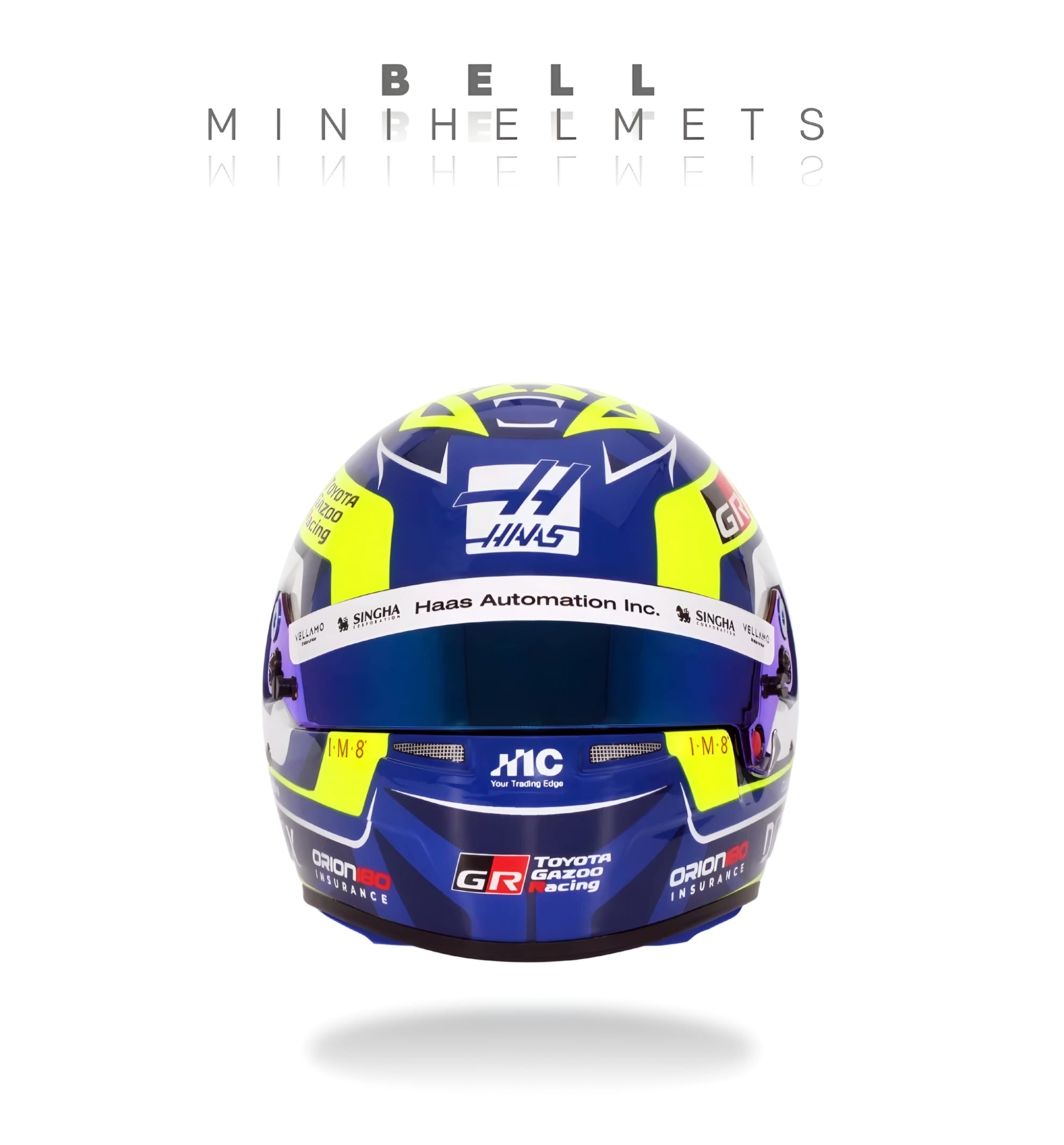
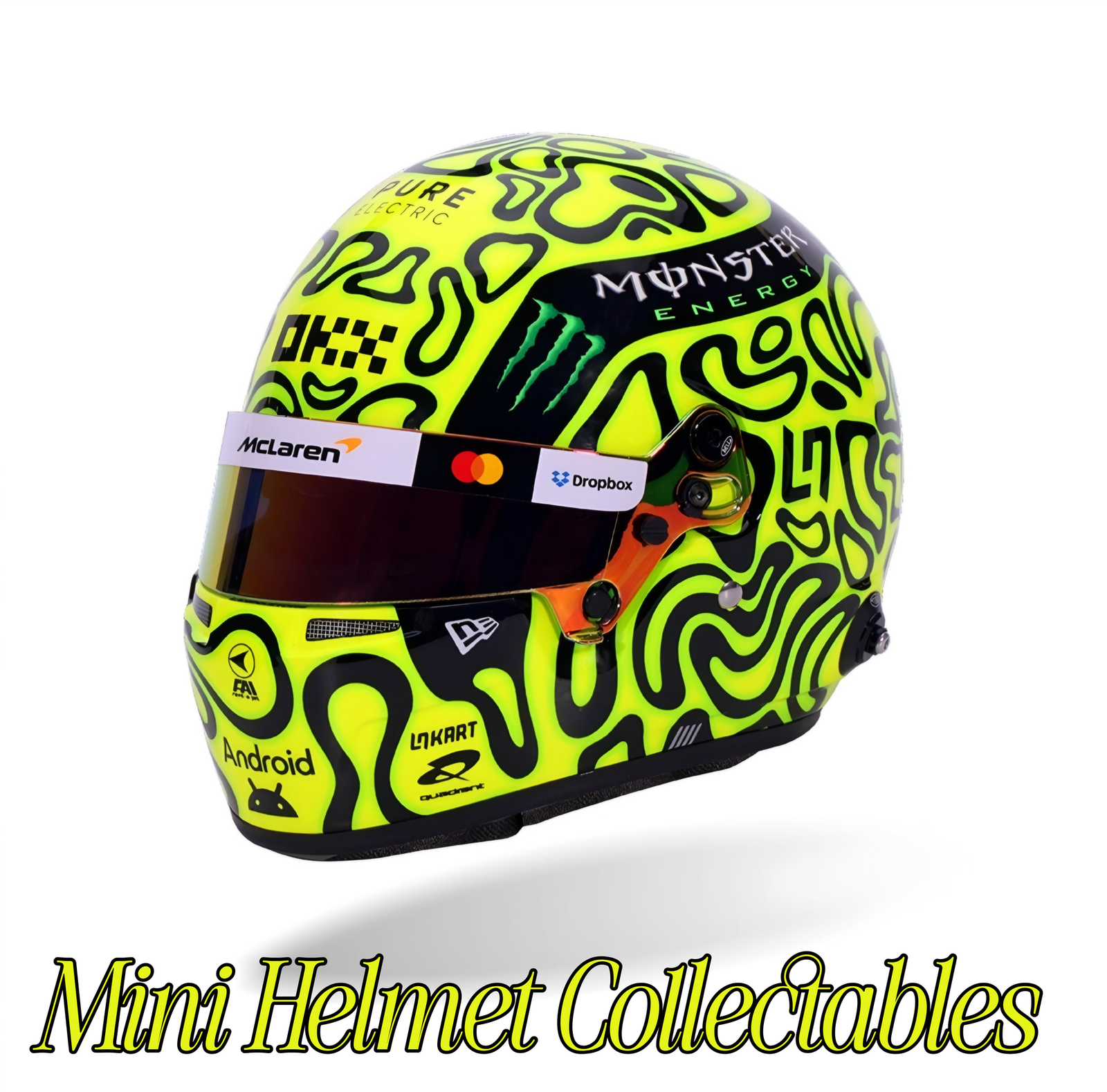
Imagine owning a Lando Norris helmet from his championship era, purchased today for around €180. If Norris goes on to establish himself as one of the great drivers of his generation, and if that particular design has long since been discontinued, the historical and collector appeal could be very different in twenty years. There has already been speculation among collectors that a significant Lando Norris helmet could potentially be worth around £3,000 in twenty years.
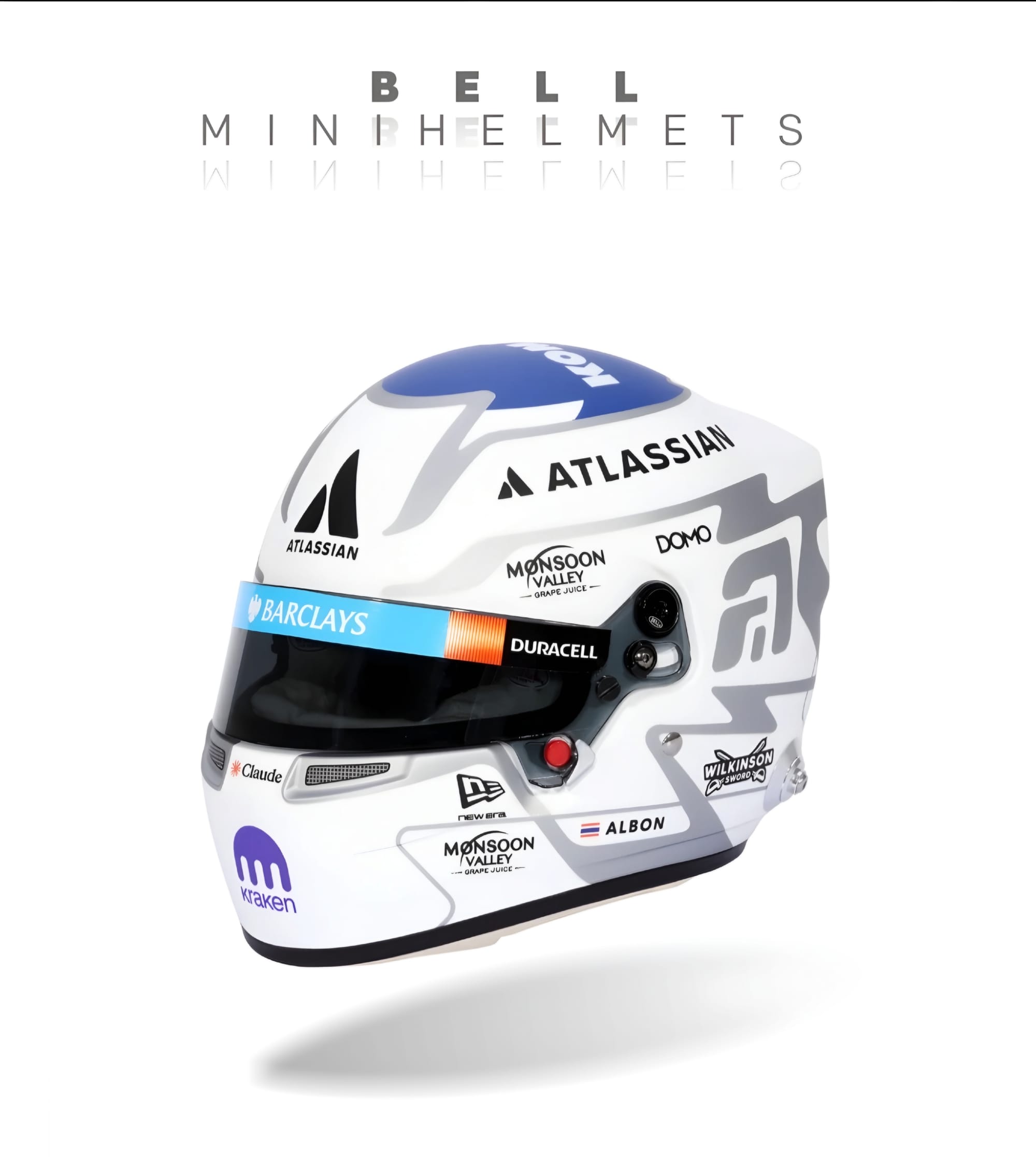
That figure should not be treated as a prediction or guarantee. Nobody can know what a collectable will ultimately be worth. But as an illustration of the potential, it is fascinating to consider. The maths isn't really the important part. The story is. If a driver becomes a World Champion, remains hugely popular, builds a legendary career and develops a substantial collector following, then an item representing an important period of that career can potentially become considerably more desirable than it was when it first went on sale.
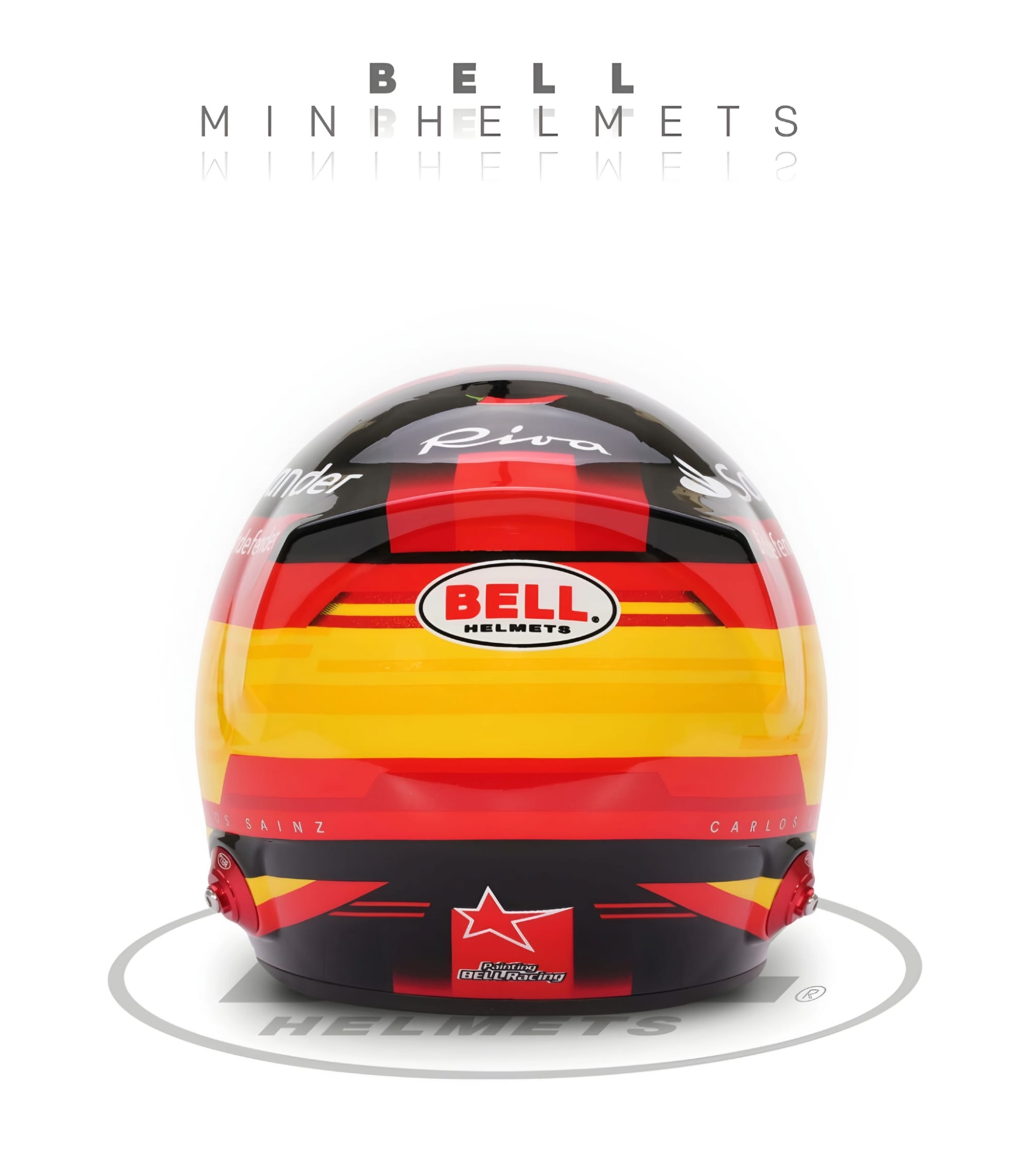
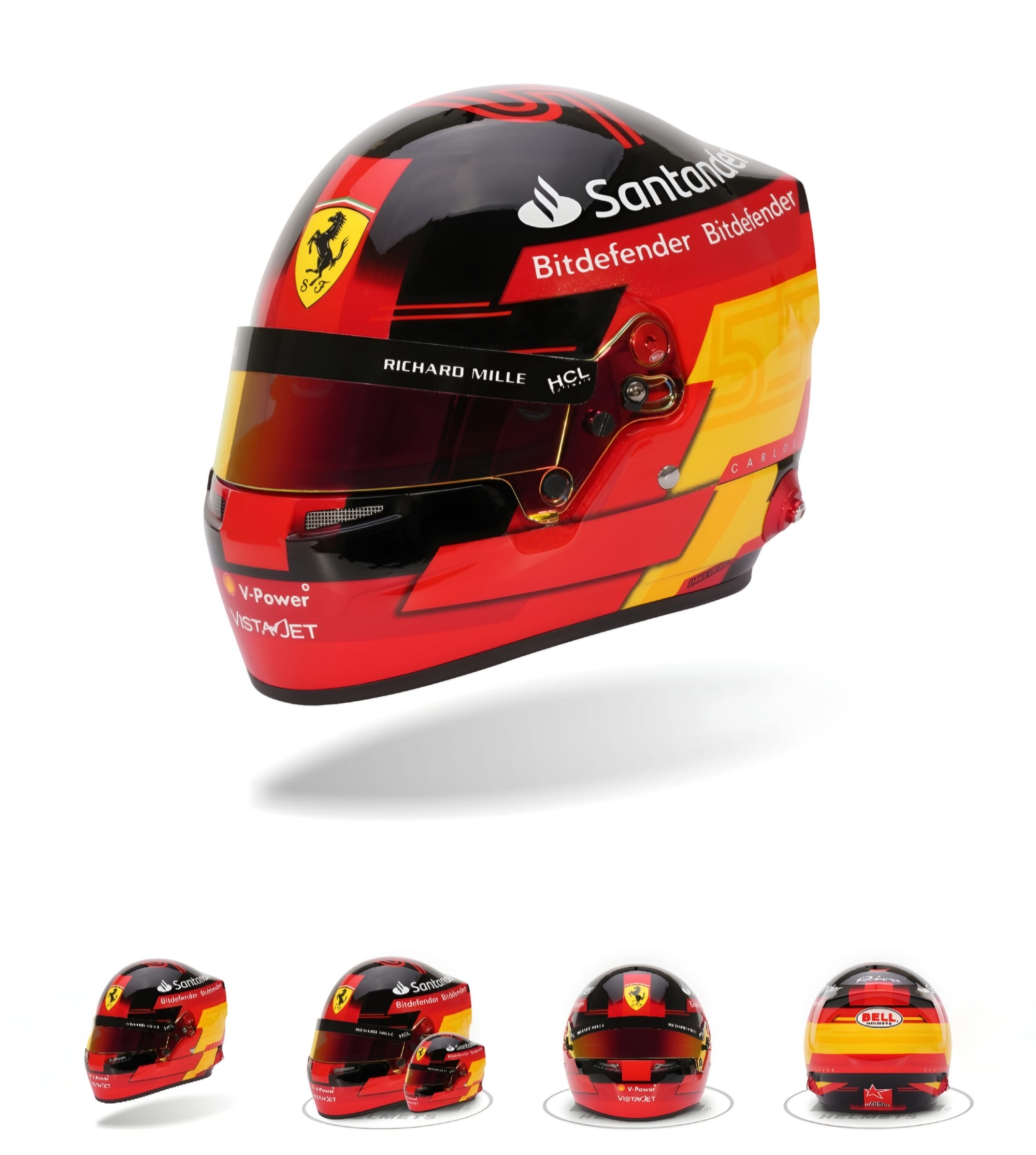
And because the production run has ended, the supply cannot simply increase every time somebody decides they want one. That is the fundamental difference between a current piece of merchandise and a discontinued collectable.
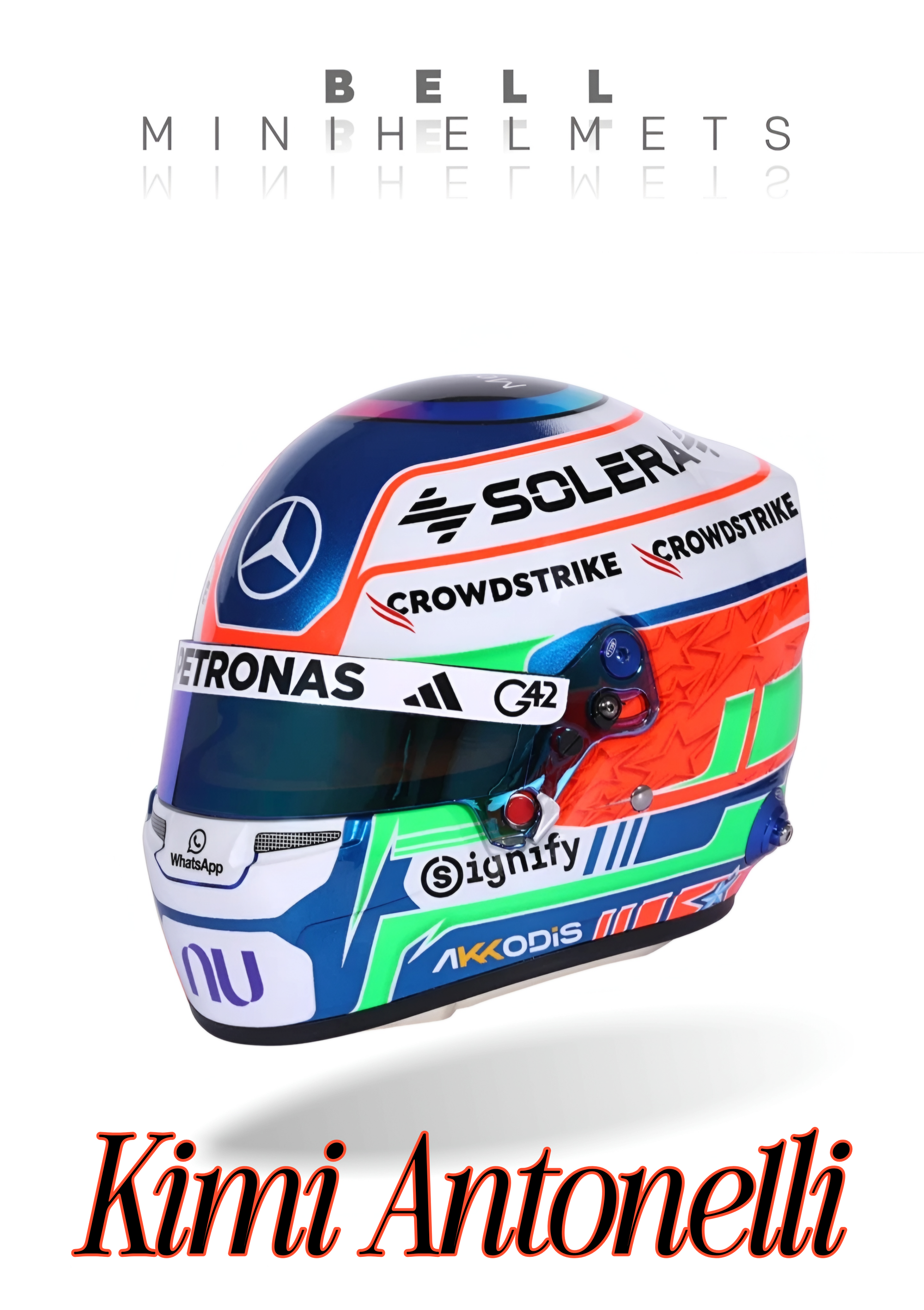
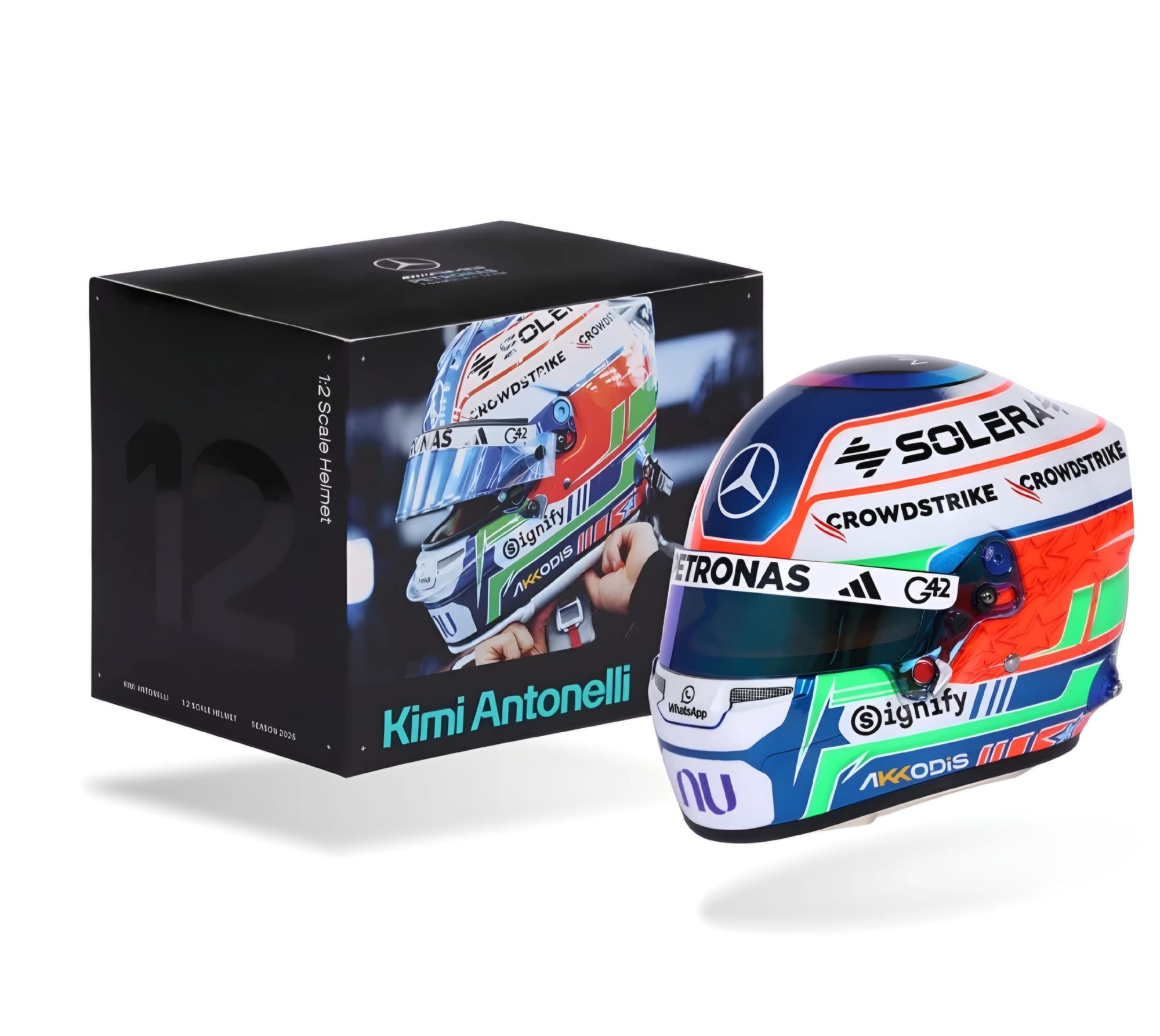
The Kimi question That brings us to the current generation. In 2026, we are watching another young generation of Formula 1 drivers establish their careers, including Kimi Antonelli. The helmets being produced today could ultimately become the earliest physical representations of what might become very significant careers. That is what makes collecting them now so interesting. Nobody knows which driver will become the next multiple World Champion. Nobody knows which helmet design will eventually be associated with a defining victory, a championship or the beginning of a legendary career. The collector is effectively buying the story before the story has finished. That is a very different proposition from buying an established piece of historic memorabilia decades after its significance has already been proven.
A career in a collection My experience working with young drivers through Athletic Development has reinforced for me just how important this physical connection can become. When a young driver starts their career, their first helmet may not appear particularly significant. It is simply the helmet they wore at that stage of their development. But as the years pass and the driver progresses from karting into Formula 4, Formula 3, Formula 2 and potentially Formula 1, those helmets begin to tell a story. I have seen how drivers retain them and keep them together because each one represents a different chapter. The helmet from the first season sits alongside the helmet from the first championship, which sits alongside the helmet from the next major step in their career. It becomes a personal museum. That is why my involvement with Luke Browning and his early Roux Lid is particularly memorable to me. At that stage, we were helping to establish the identity of a young driver. The design and presentation mattered because the helmet was going to become part of Luke's identity. Years later, the significance of that early helmet is different. It represents where the journey began. The same principle applies to the collector. A miniature helmet bought today can represent the beginning of a story that may become considerably more important with time. Collecting starts with emotion, but value can follow The strongest collectables are rarely purchased purely because somebody has calculated what they might be worth in the future. People collect because they care.
They remember the driver. They remember the race. They remember the championship. They remember watching that driver for the first time or seeing them achieve something special. The object becomes a physical connection to a moment that would otherwise exist only as a memory. That emotional connection creates the initial demand. Potential financial value comes later. For that reason, I don't think anyone should buy a mini helmet purely because they expect it to appreciate. Buy it because you love the driver, because you love the design, because you remember the race or because you want to own a piece of the era. If it subsequently becomes a rare and valuable collectable, that is the bonus. But there is another important consideration for anybody thinking about the long-term potential: condition. The original packaging should be retained wherever possible, and the helmet itself should be protected from unnecessary sunlight, dust and damage. Documentation and proof of purchase can also be useful. After all, if a particular design becomes highly sought after twenty years from now, collectors will naturally want the best-preserved examples.
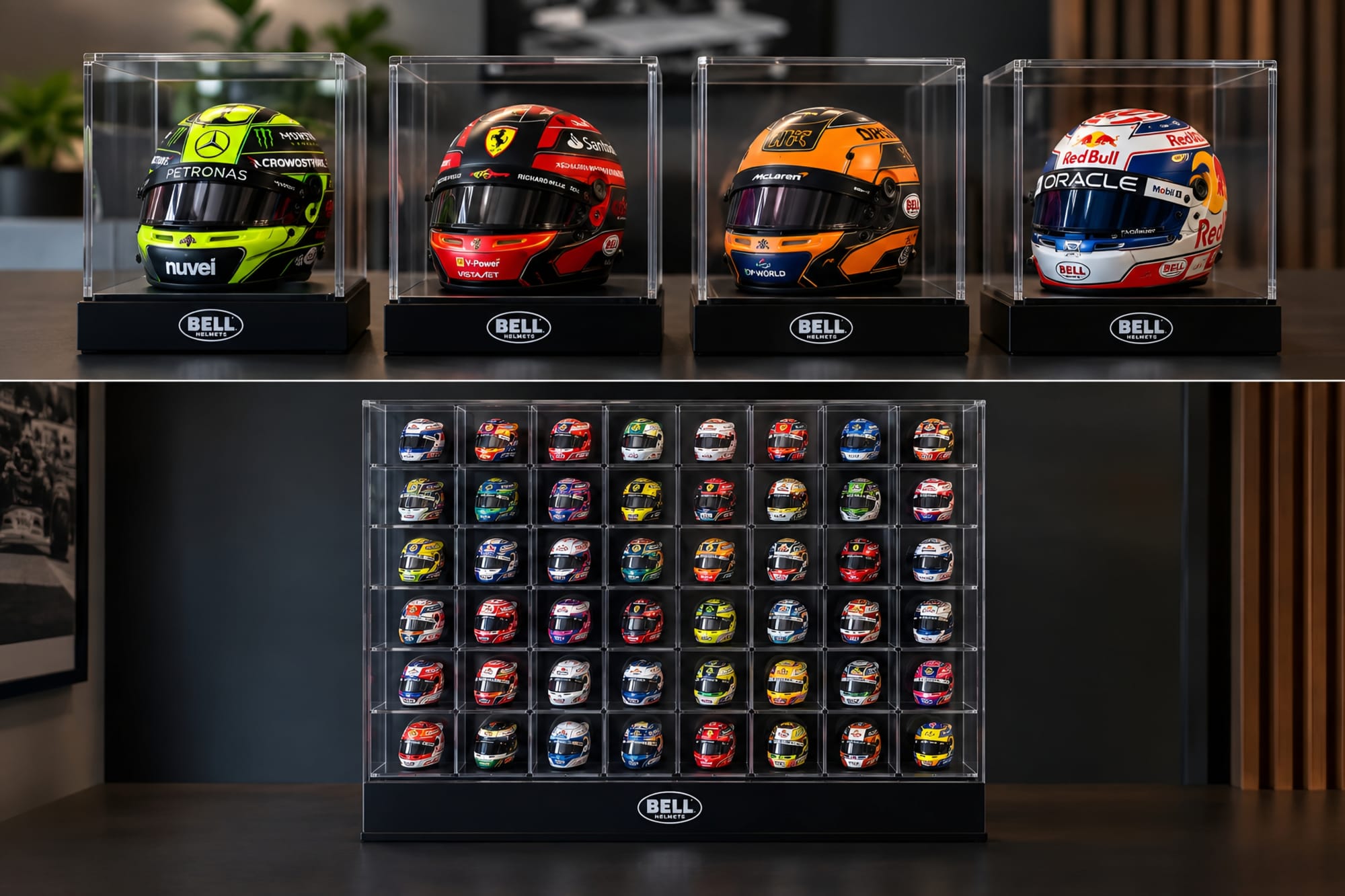
The collectable of tomorrow is sitting on the shelf today This is ultimately what makes the Bell mini helmet market so fascinating to me. The full-size helmet will always be the ultimate piece of driver memorabilia. It is the helmet that actually went into battle, worn by the driver through the moments that define their career. But the miniature has created something else. It has made that connection accessible to a much wider audience while simultaneously creating the possibility of a new generation of motorsport collectors. A helmet purchased today for around €180 could remain a €180 piece of memorabilia. It could potentially become worth several times that amount. In exceptional circumstances, and depending entirely on the driver, production numbers, condition and future demand, it could become worth substantially more. The Lando Norris example of a potential £3,000 value after twenty years is therefore not something I would describe as a certainty. It is a fascinating illustration of what can happen when scarcity, success, history and collector demand come together.
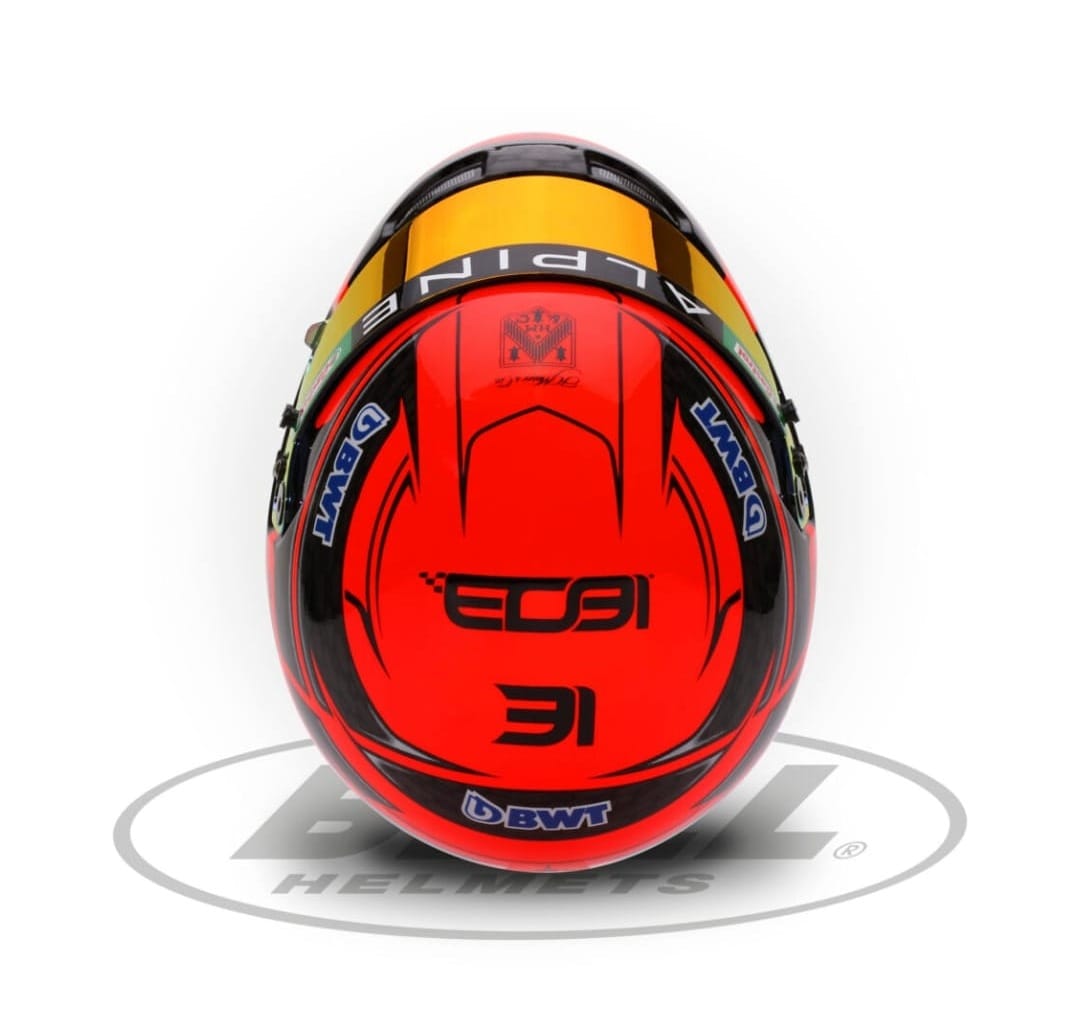
And there is one element that makes the proposition particularly interesting: once a particular Bell design has finished its production run, that exact design is finished. The next generation replaces it. The driver moves forward. The manufacturer produces the next helmet. And suddenly the previous design becomes a snapshot of a moment that can never be recreated in exactly the same way. That is where merchandise becomes memorabilia. That is where memorabilia becomes collectable. And, potentially, that is where a €180 purchase today can become something considerably more significant tomorrow. Because motorsport is ultimately about memories. The sound of the engines, the atmosphere of the circuit, the colours of the cars, the personalities of the drivers and the races that stay with us long after the chequered flag has fallen.
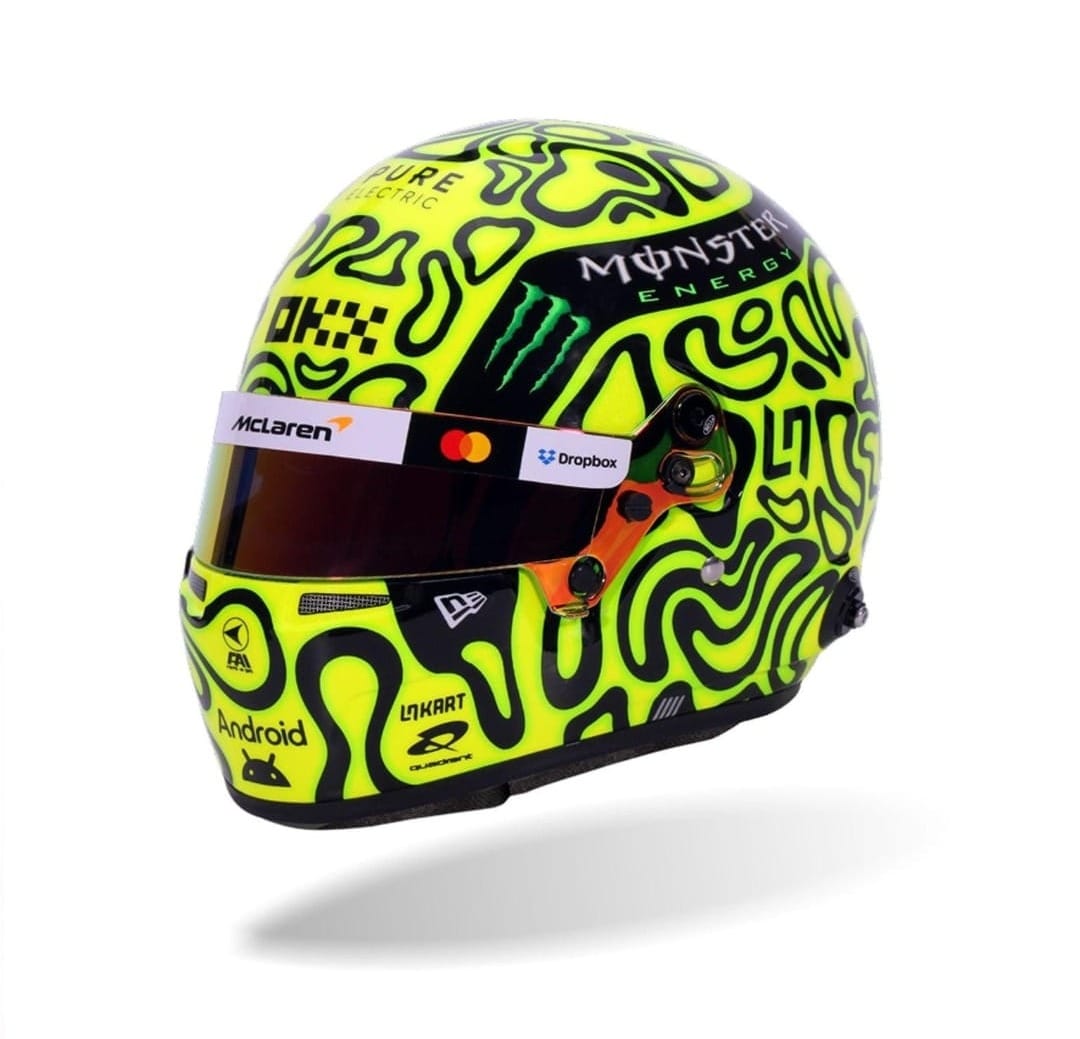
A racing helmet captures all of that in one remarkably personal object. And a Bell mini helmet gives fans the opportunity to preserve their own small piece of that story. Today, it may be sitting on a shelf for €180. Twenty years from now, it may be sitting in a collector's cabinet as a rare piece of Formula 1 history. Nobody knows what the future value will be. But that, perhaps, is exactly what makes collecting them so exciting.