History at Racing Speed: Inside the 2026 BELMOT Oldtimer-Grand-Prix
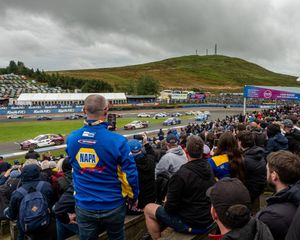
The 53rd BELMOT Oldtimer-Grand-Prix brought 43,000 spectators and nine decades of competition machinery to the Nürburgring, proving that historic racing matters most when the cars are still asked to race.
Historic motorsport lives with a contradiction: the rarer a car, the stronger the instinct to protect it. Yet a racing car is understood most completely through movement. The Oldtimer-Grand-Prix resolves this by treating preservation and competition as one task, with a programme that saw pre-war cars, GTs, prototypes, and DTM-era machinery follow one another onto the same 4.6-kilometre stage.
A Timeline Written at Racing Speed
The Vintage Sports Car Trophy reached back to the circuit’s origin, with the Mercedes-Benz 680 S that Rudolf Caracciola drove to victory in the Nürburgring’s 1927 opening race. The HGPCA field traced the transition from front- to rear-engined Grand Prix cars, while Formula Heritage extended into the 1970s-90s, including the Embassy Hill GH1/3 from the 1975 German GP. The Class One Revival featured the BMW M3 GT2 that won the 2010 Nürburgring 24 Hours.
This overlap of eras is the event's strength. The density of short sprints meant grids replaced each other rapidly, creating the impression that history did not arrive in a neat sequence but kept overtaking itself.
Touring Cars Made Nostalgia Irrelevant
The touring-car fields proved that heritage doesn’t remove competitive urgency. Sebastian and Roland Asch won the Tourenwagen Golden Ära race in a Ford Sierra RS500. Kris Nissen answered on Sunday in a BMW E30 M3, beating Erik Qvick’s BMW E36 M3 GTR by only 0.308 seconds.
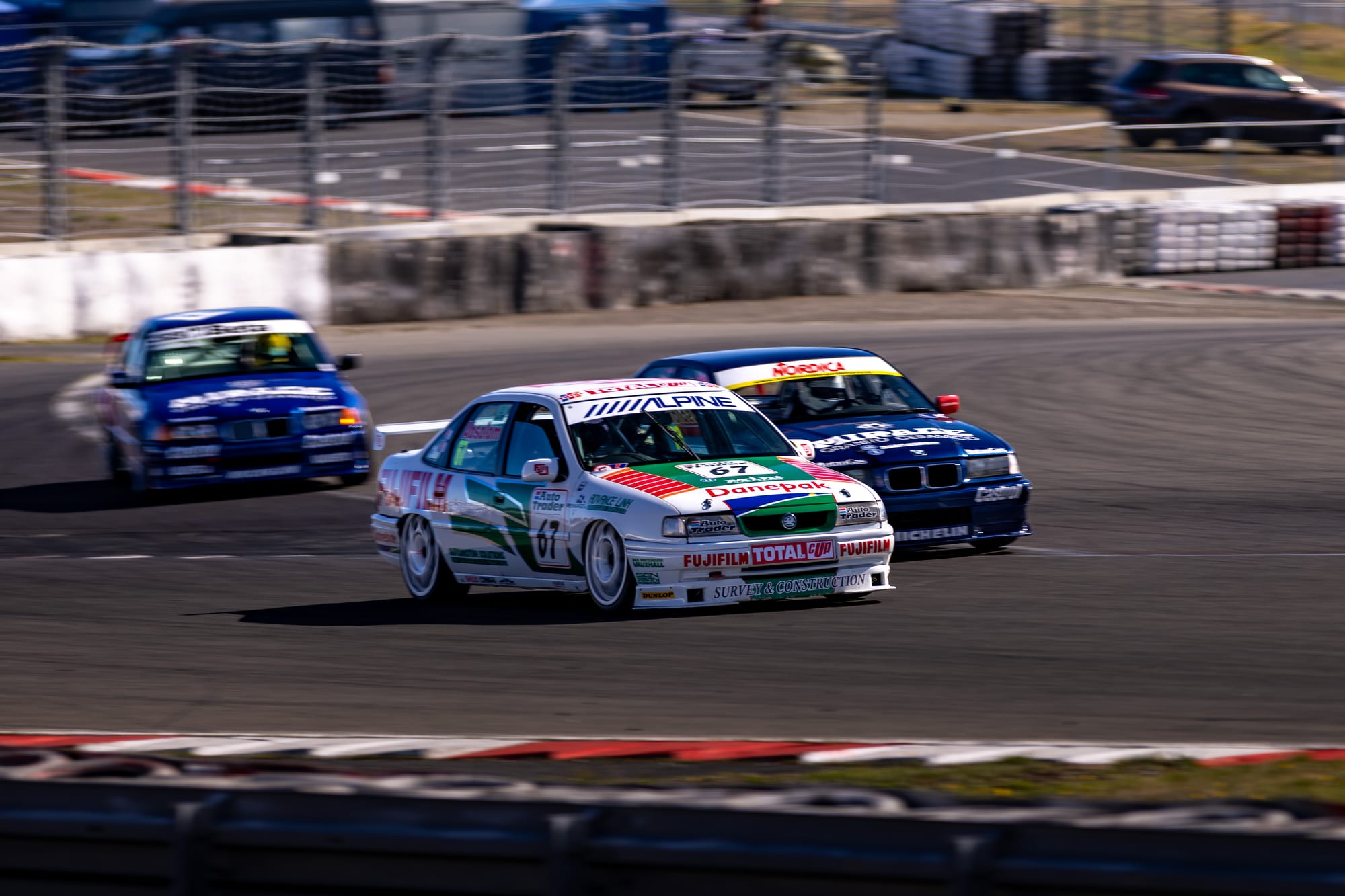
The Super Touring Revival saw Gerd Füller and Uwe Alzen win both races in an Opel Vectra STW, their second victory margin tightening to 0.425 seconds. Alzen’s return after four years away was no nostalgic cameo, as the past provided context but reputation still had to survive the stopwatch.
The BMW M1 Explained the Event’s Appeal
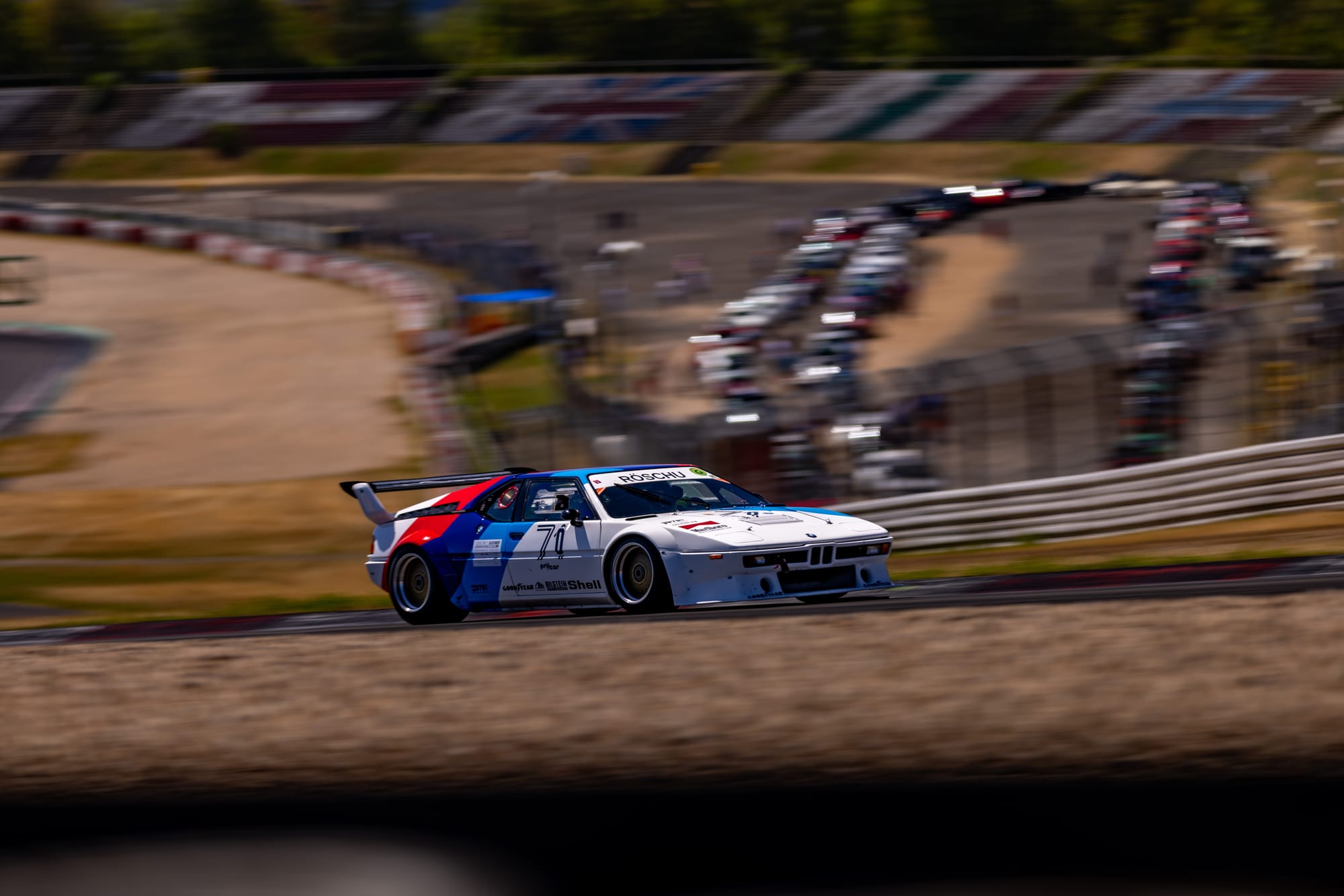
Michael Kammermann controlled both DRM Revival races in a BMW M1 Procar, with Roger Waber completing M1 one-two finishes in both. The M1’s 3.5-litre straight-six and period hardware offer no electronic assistance. From trackside, it was not just an icon, but a difficult, physical competition machine.
New Formats, the Same Competitive Standard
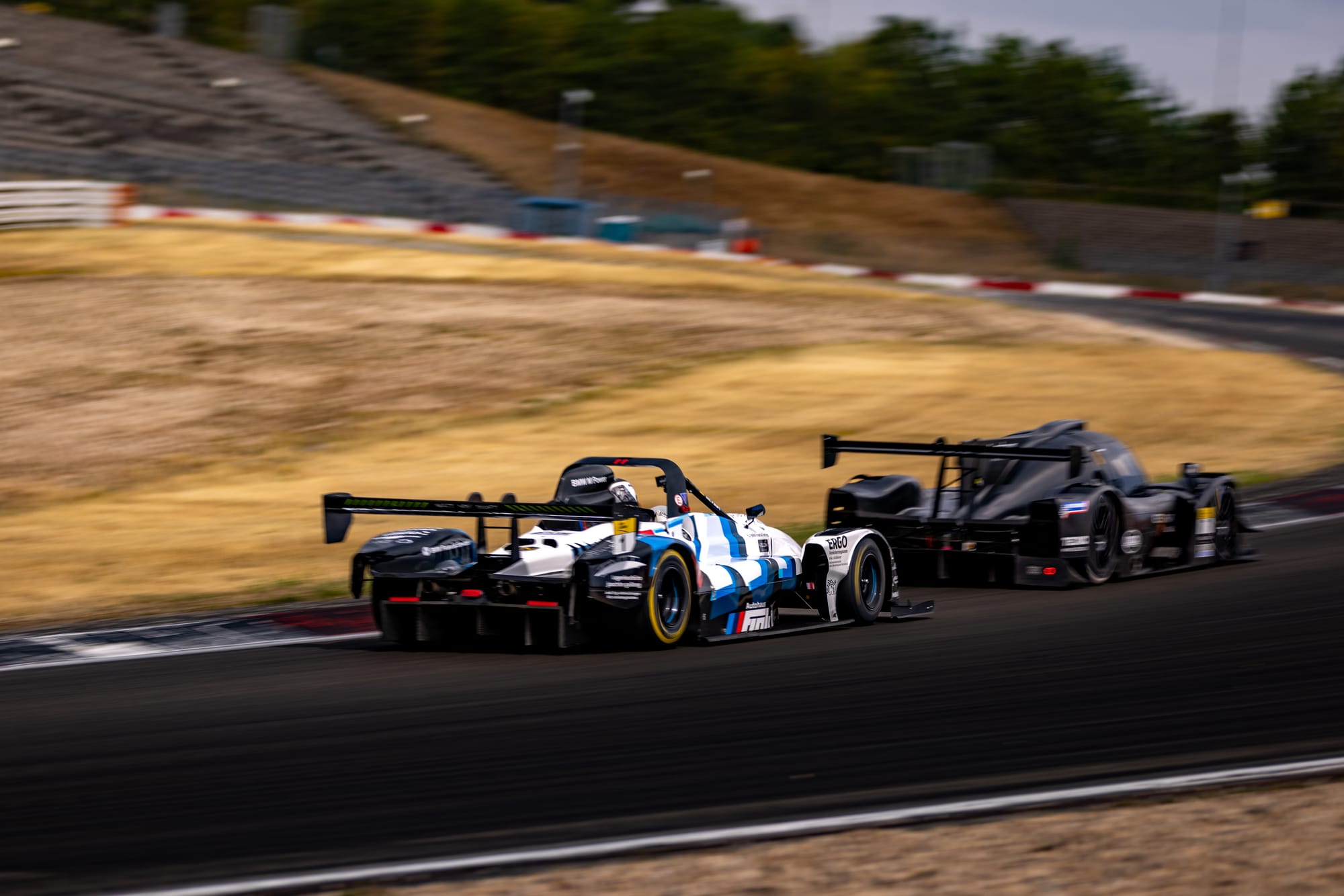
The 2026 programme widened its definition of historic machinery. The Interwetten Sports Cars Challenge featured modern prototypes, with former F1 driver Christian Klien winning the opener. The second race saw an amended classification promote Marco Fink to victory, leaving Klaus Abbelen’s Porsche 962C as a visual comparison against newer prototypes.
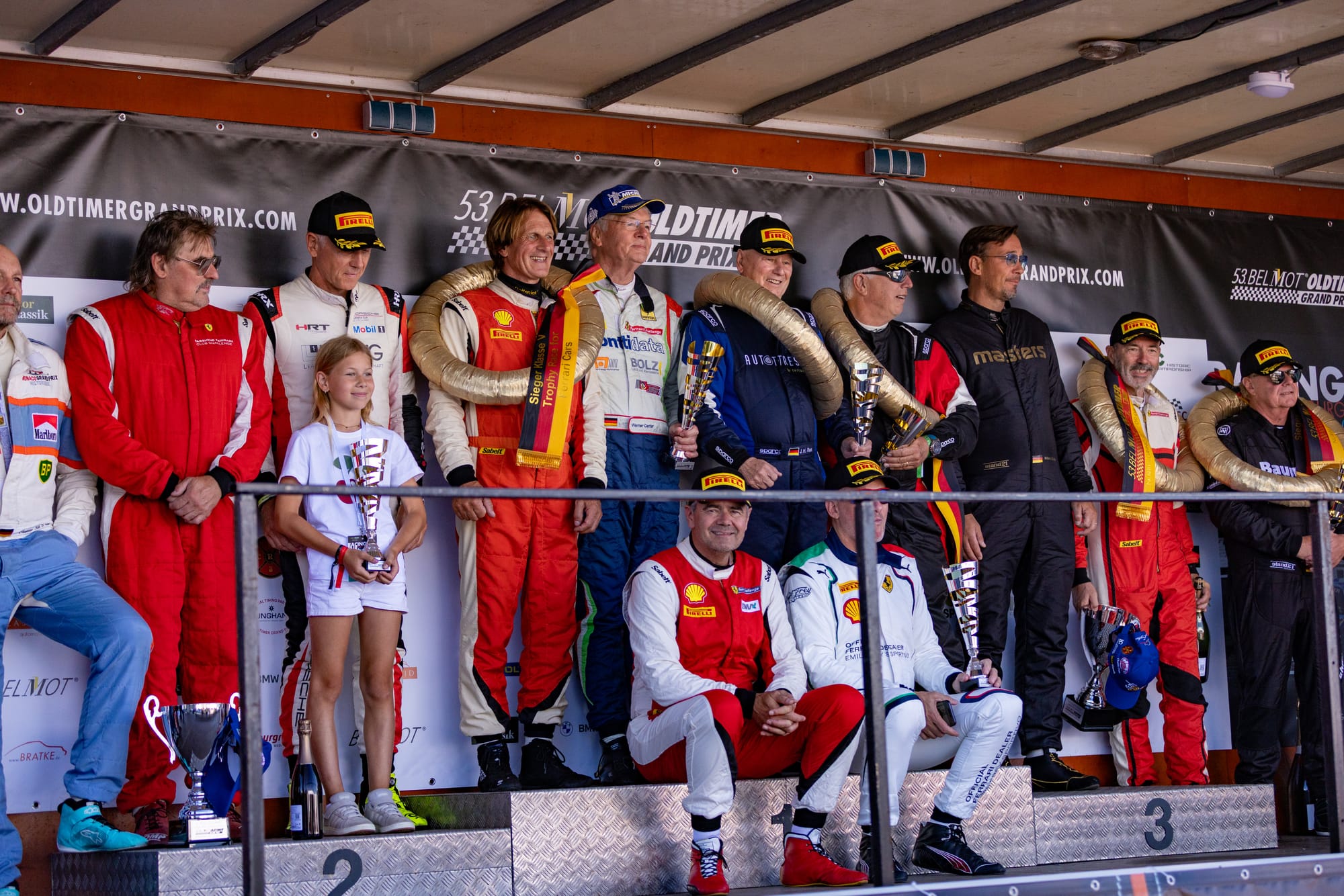
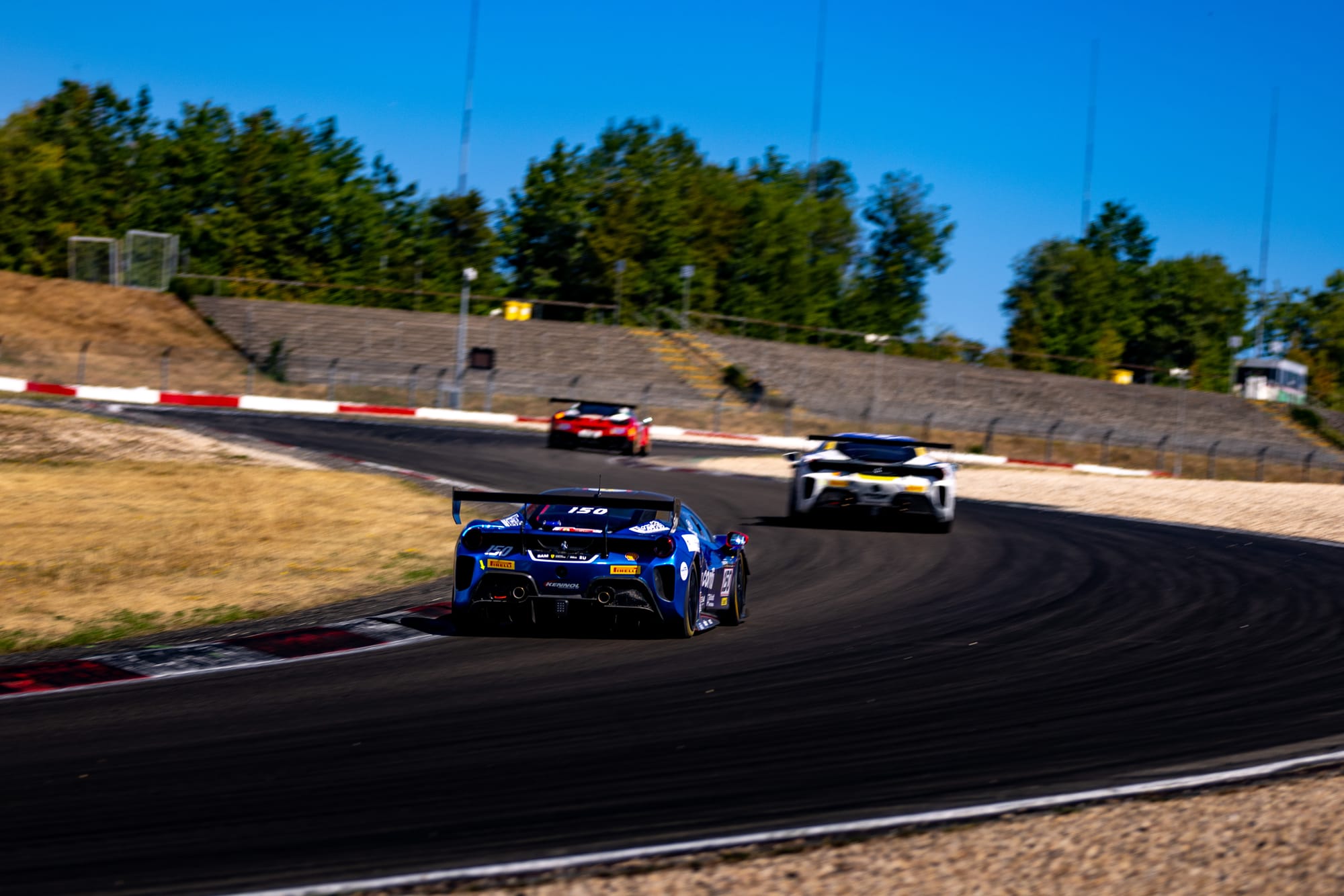
The Ferrari Trophy Race bridged to the recent GT era, with wins for a 488 GT3 Evo and a 458 GT3, showing that motorsport history doesn’t stop at a comfortable distance from the present.
Earlier machinery remained just as competitive. Georg Hallau’s Lotus 23B won the Historic Championship ’65 sprint by just 3 seconds, while Andy Newall’s Chevron B6 took the ’81 race by only 1.362 seconds. These margins gave the programme depth, showing every era produced its own present-tense story.
The Abendrennen Changed the Scale of the Weekend
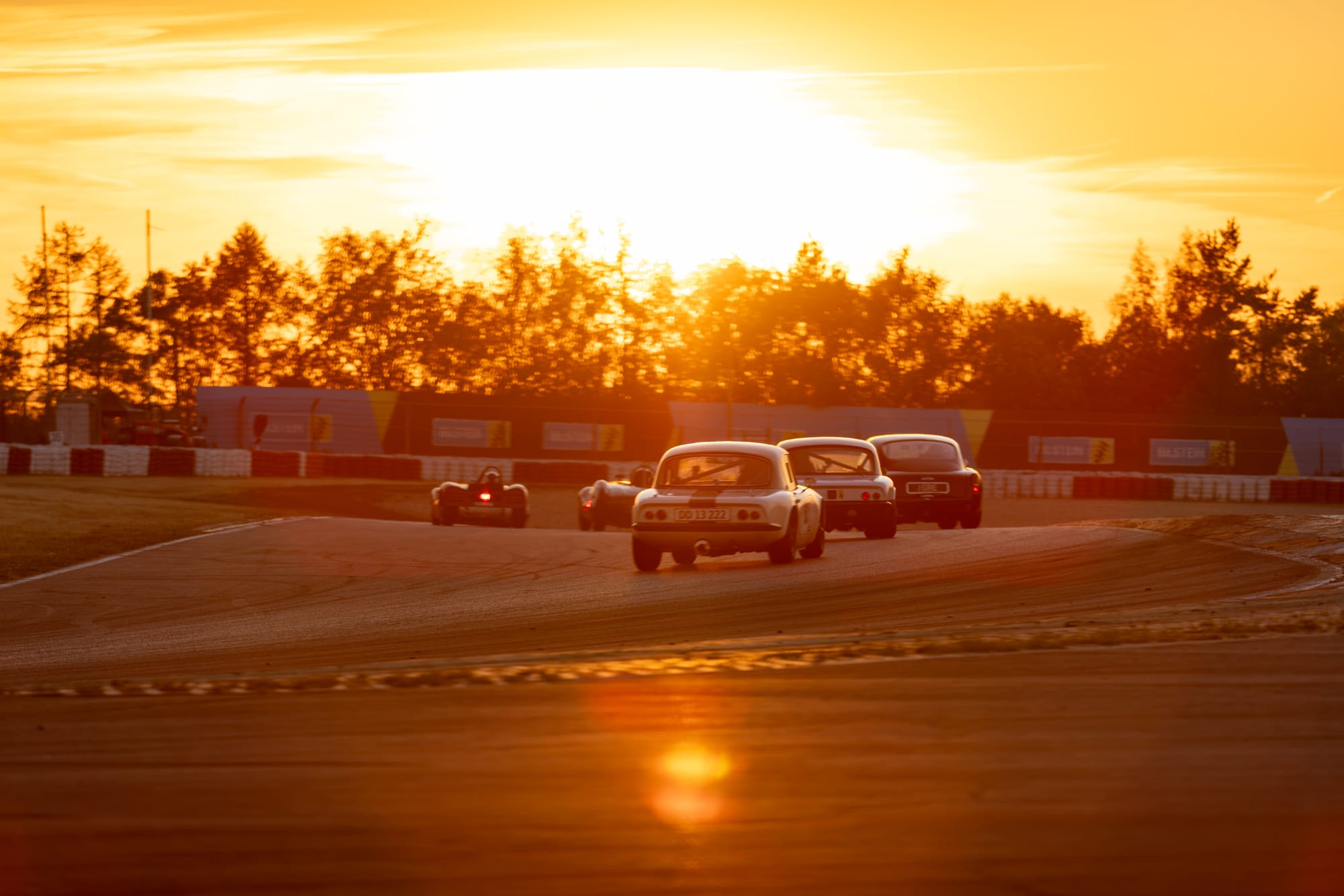
Saturday’s traditional Abendrennen gave the programme something its sprints could not: time for the circuit to change. As 41 cars raced from late daylight toward darkness, the event added illuminated hot-air balloons and fireworks.
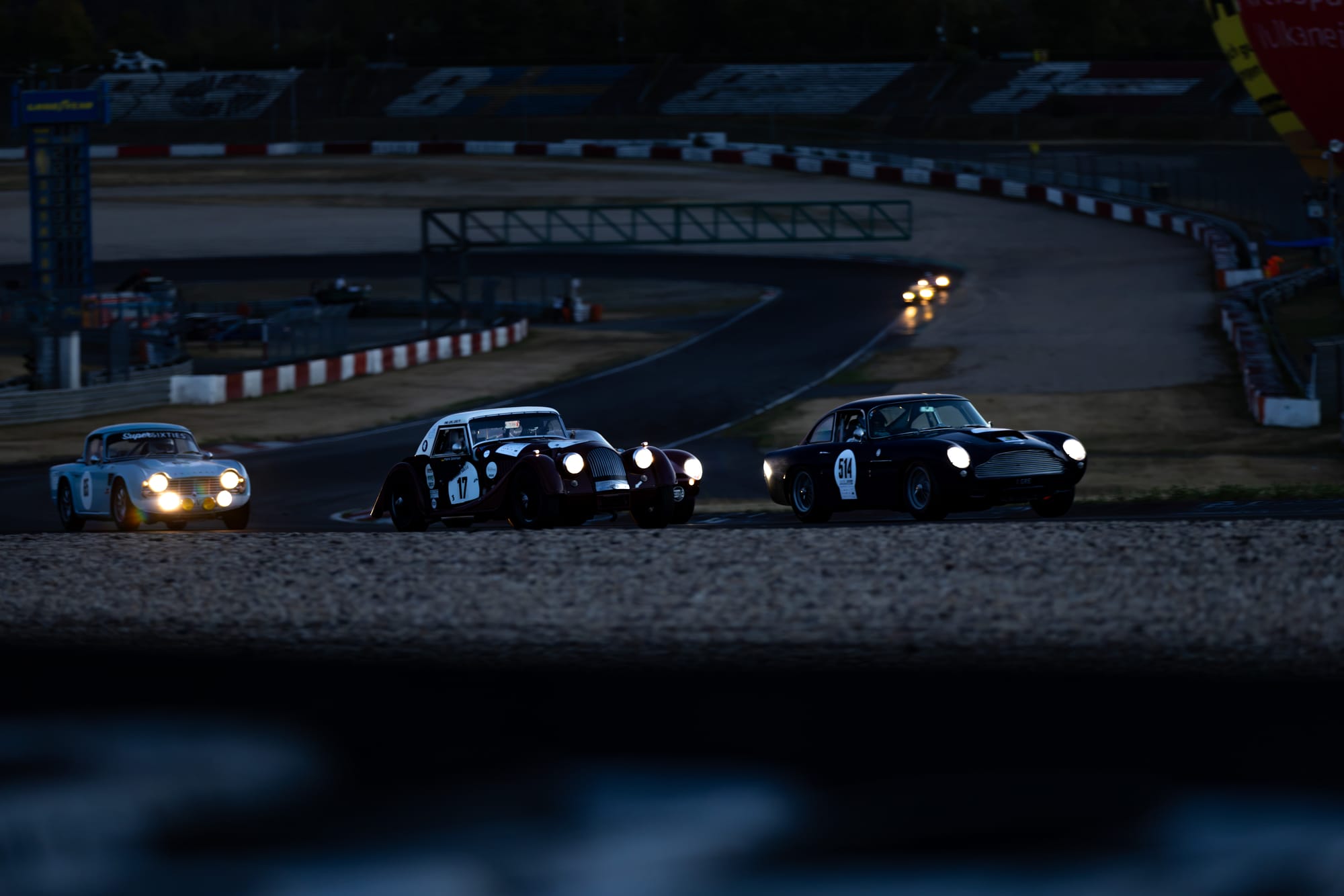
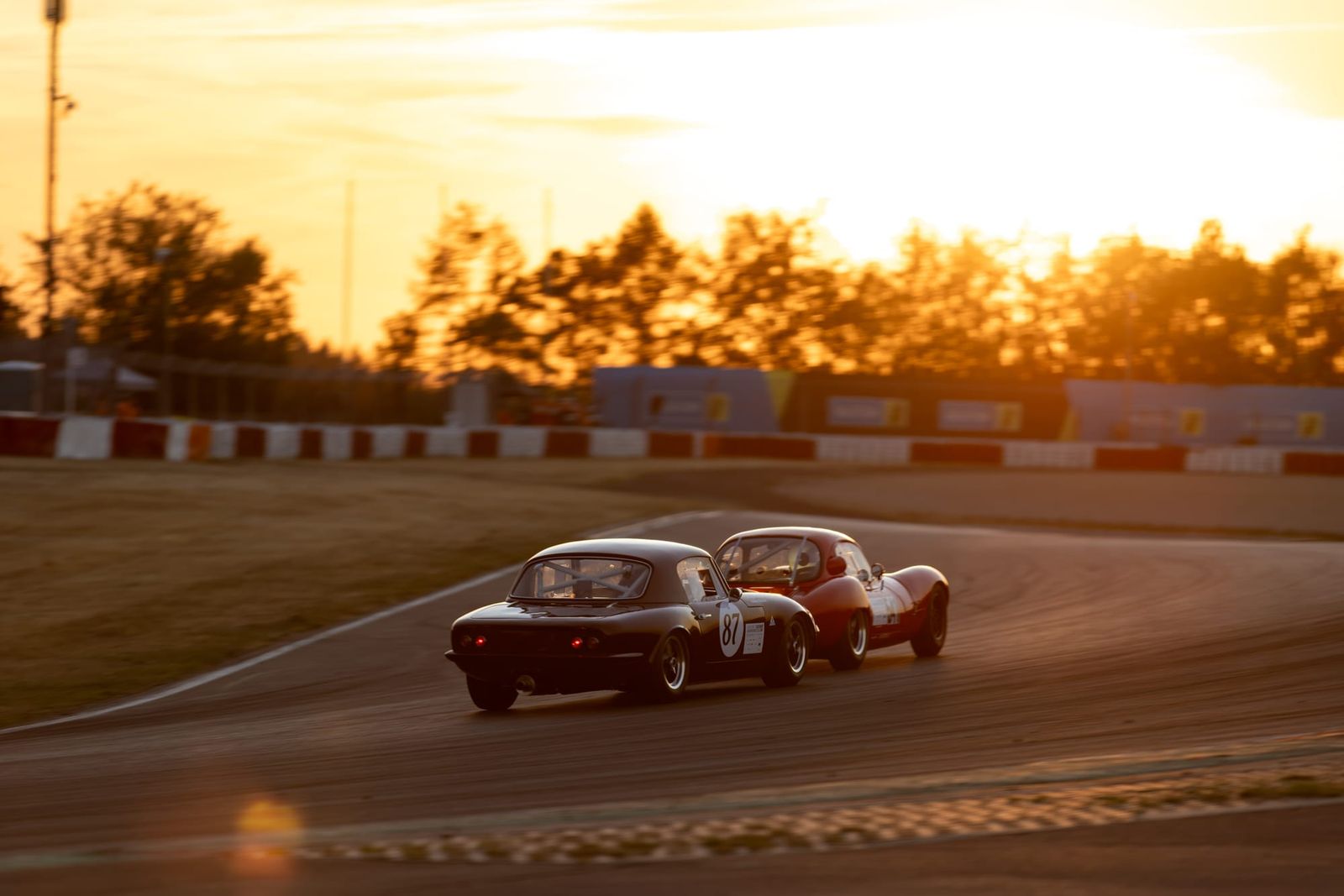
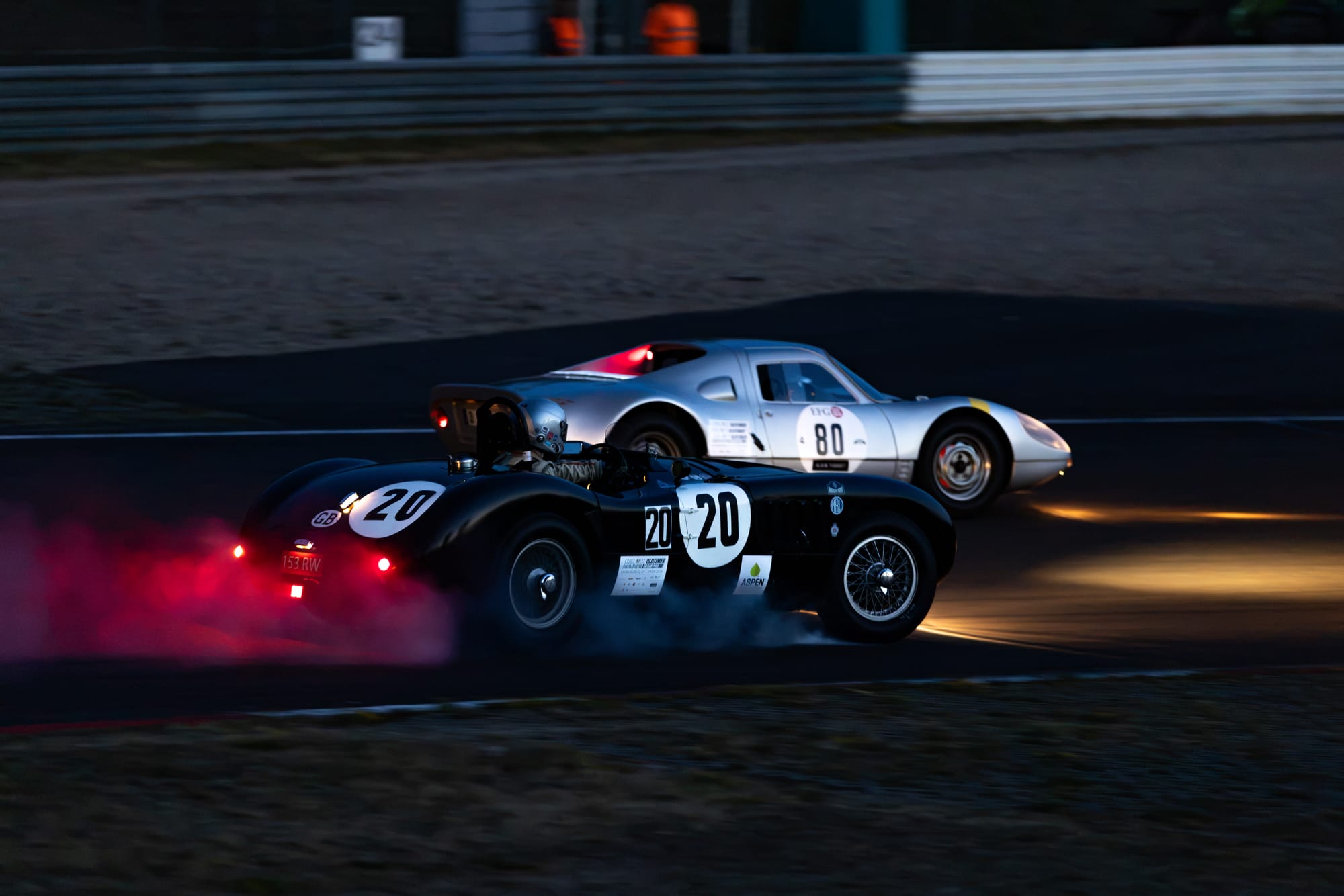
The golden hour light made period shapes expressive and dynamic, while the race itself remained grounded. Palle Birkelund Pedersen and Alexander Weiss won the amended Saturday race in a Ginetta G4R. After sunset, the visual language changed to headlights and reflections, but the objective remained to preserve the pressure of a race inside an extraordinary environment.
Preservation Through Competition
The Oldtimer-Grand-Prix’s value is not based on scarcity alone. The Nürburgring adds consequence. Drivers still manage traffic and rivals; results can still be decided by penalties. The cars remain historical, but the racing story is created in the present.
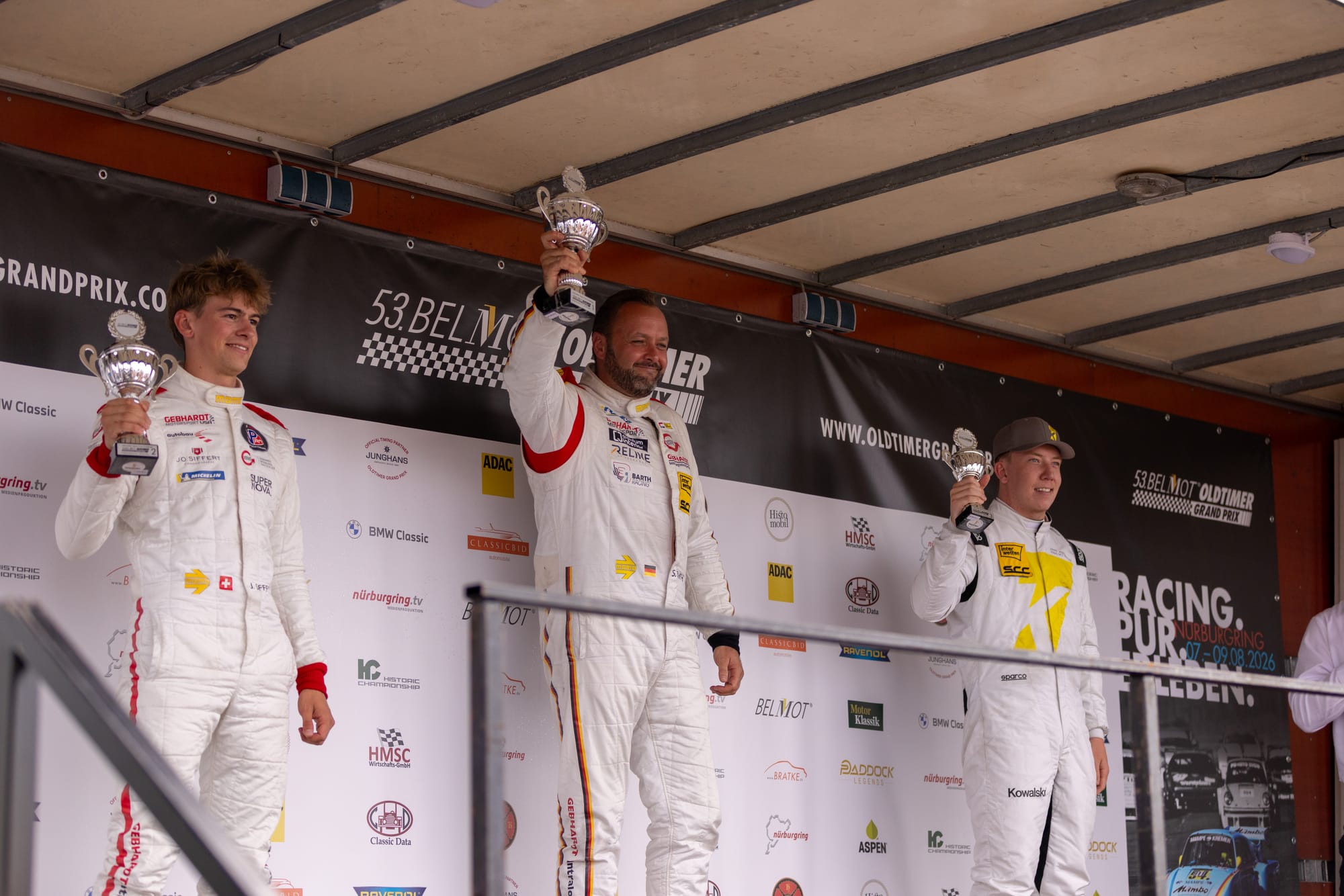
The event accommodates both Caracciola’s 680 S and a modern prototype, not as equivalents, but as evidence of a continuous culture of competition. The most convincing images are not portraits of preservation, but of a Sierra under pressure, an M1 through a corner, and a Ginetta cutting into the dusk. At the Nürburgring, history was not stored. It was accelerated.
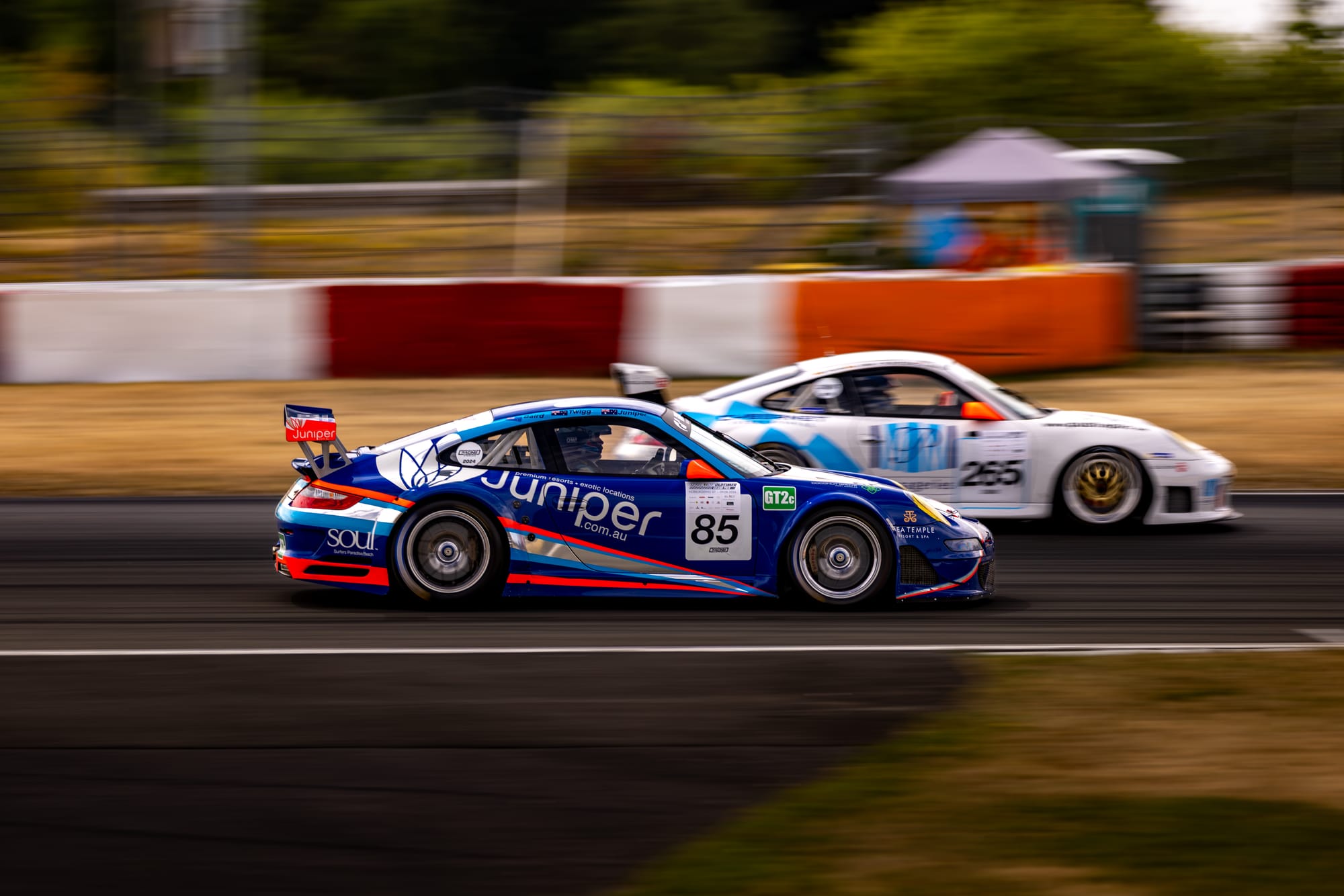
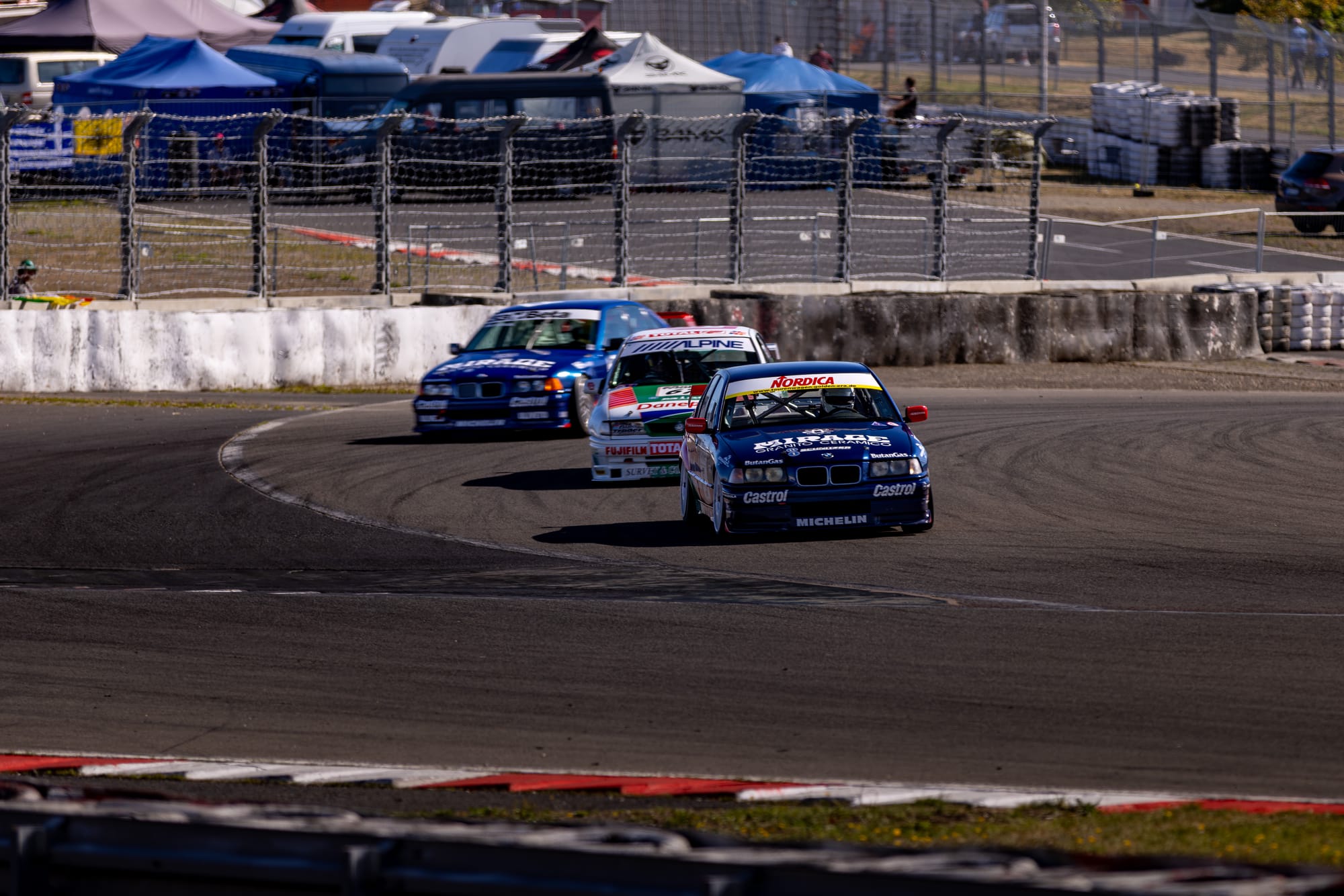
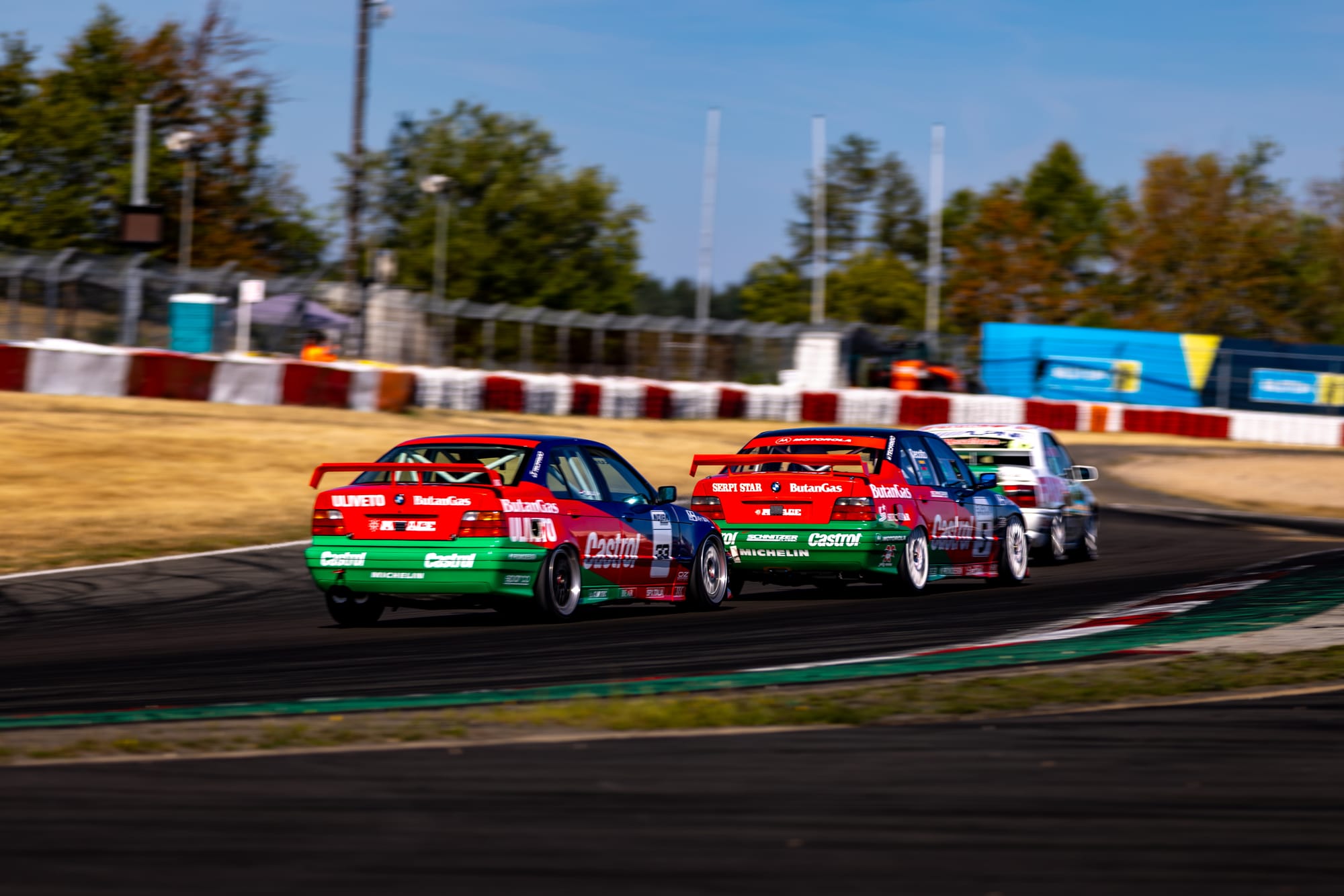
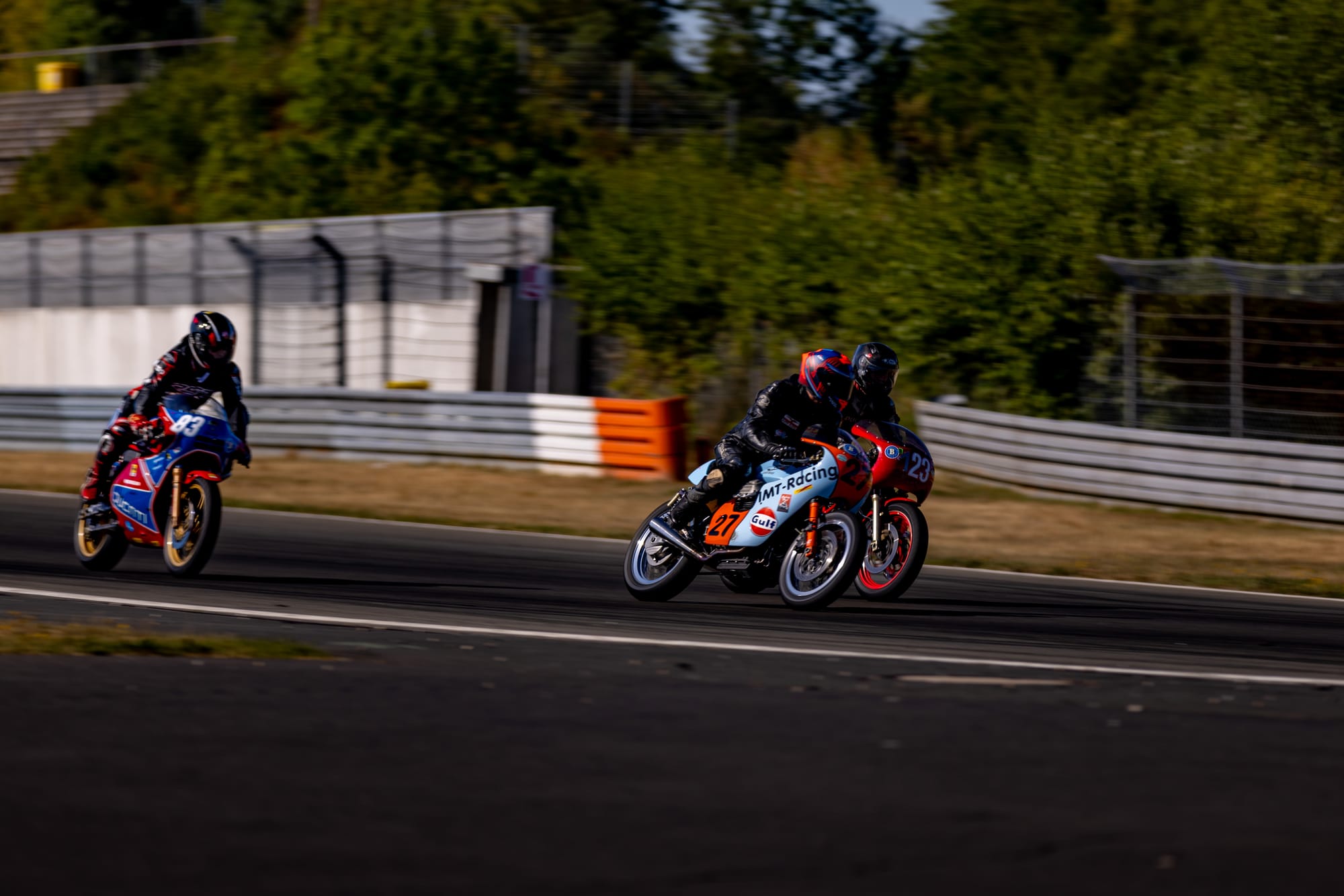
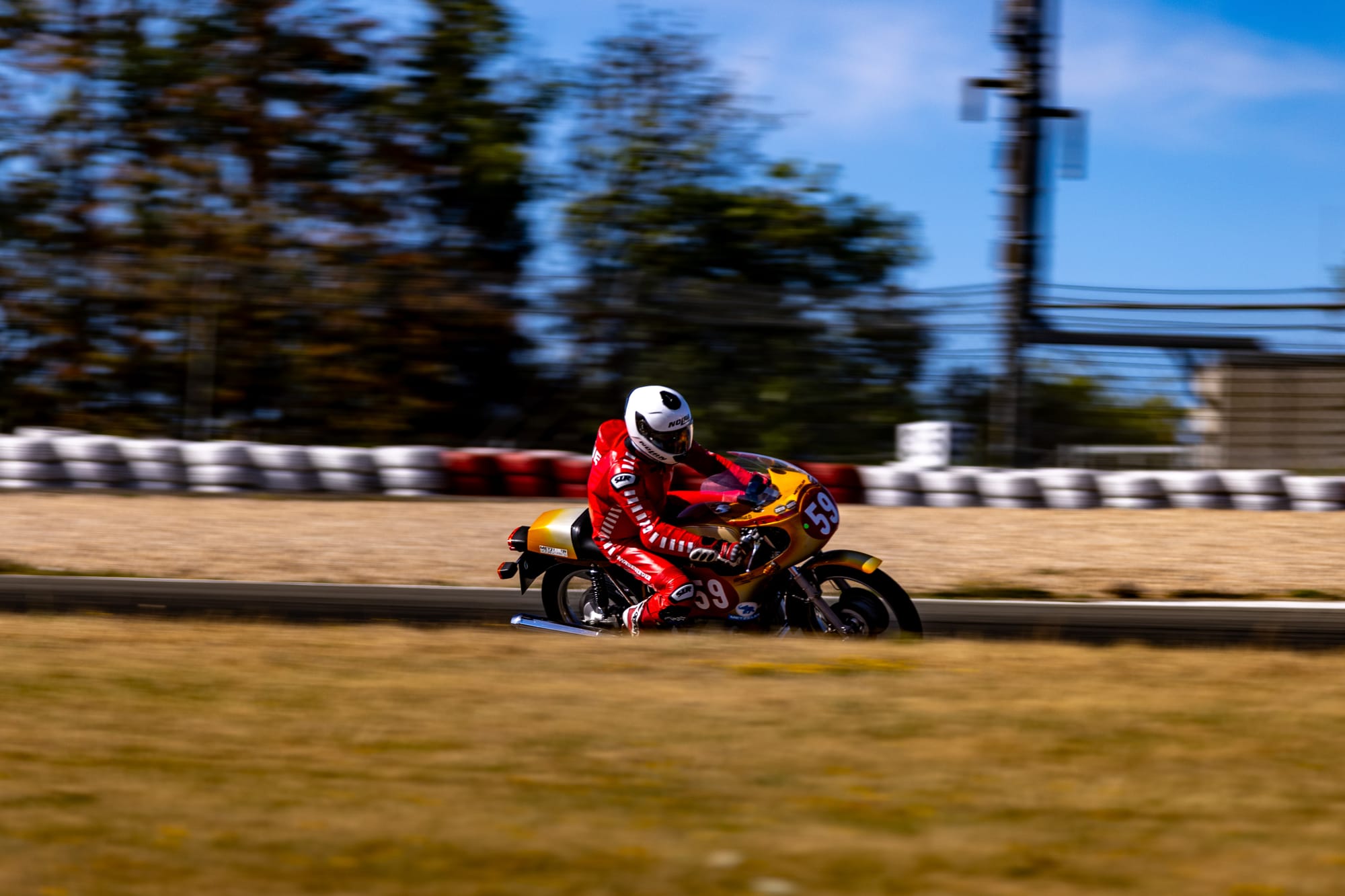
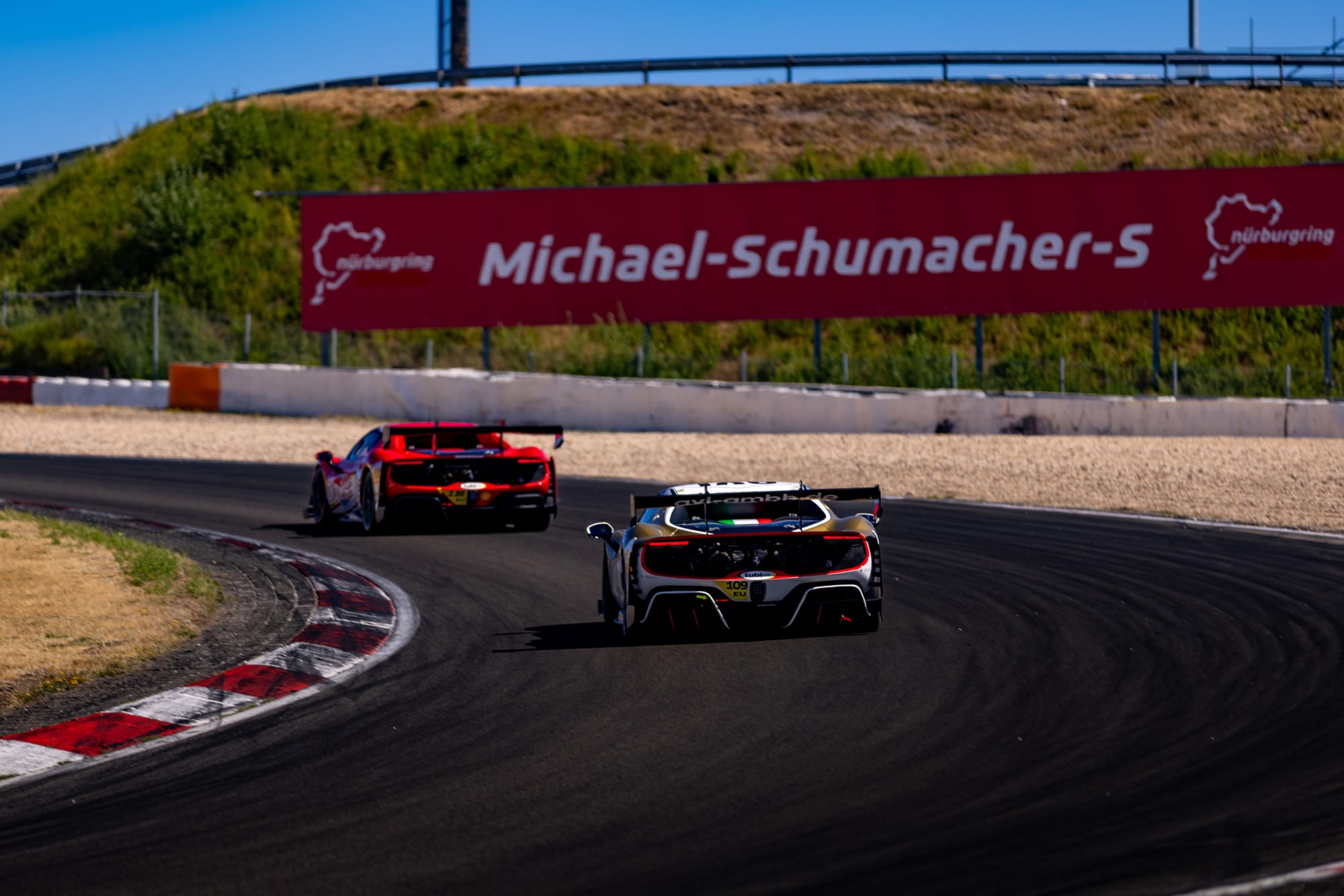
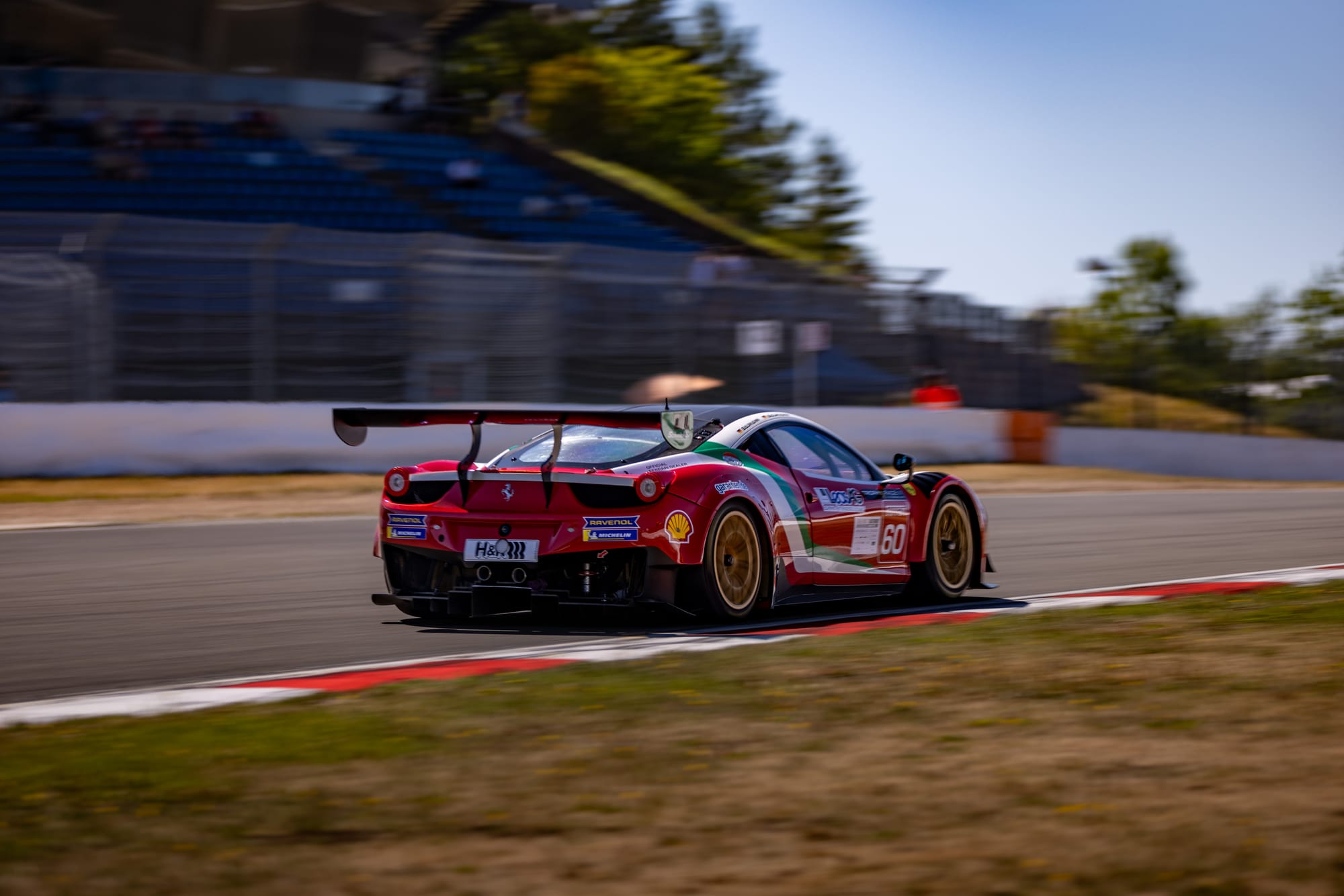
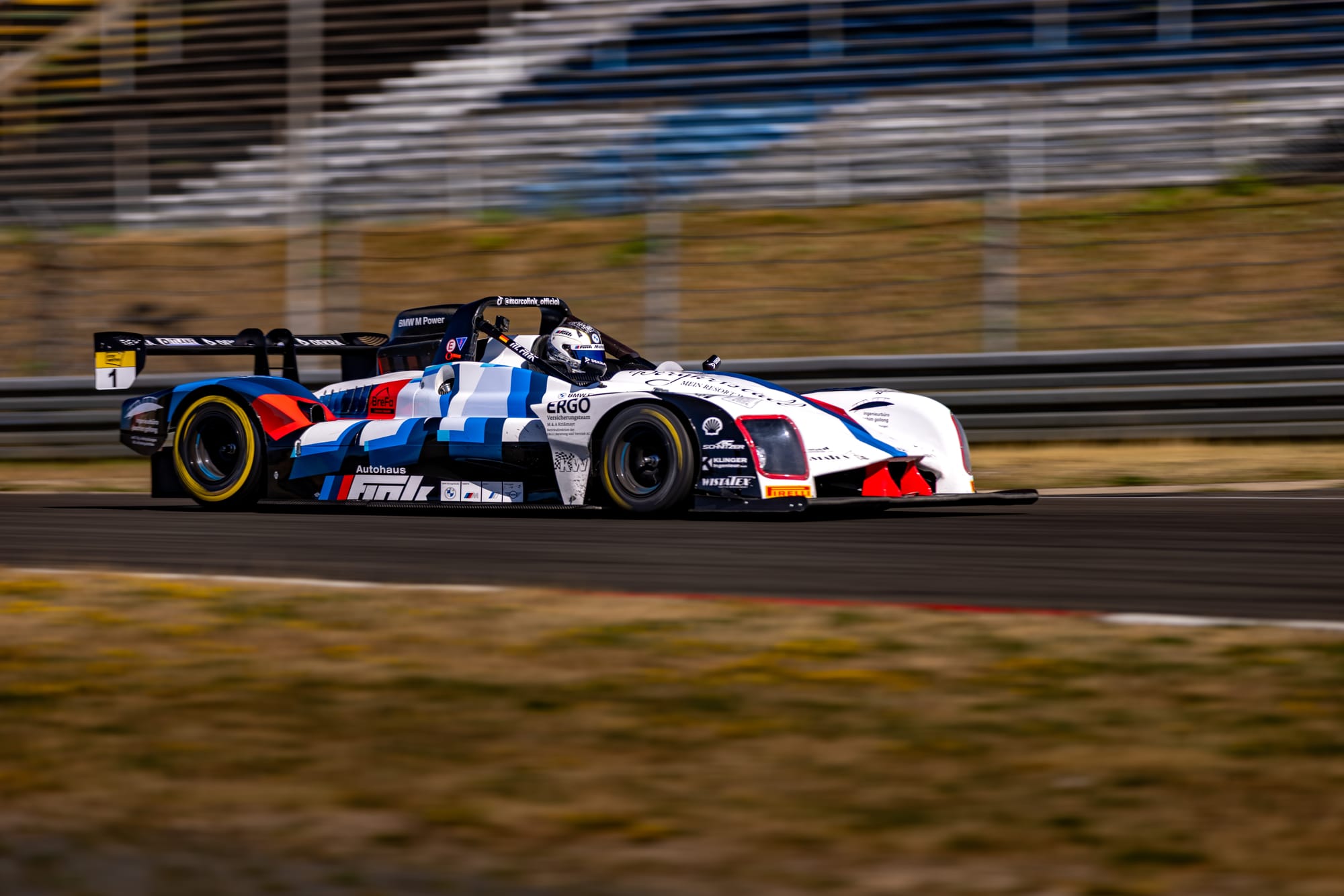
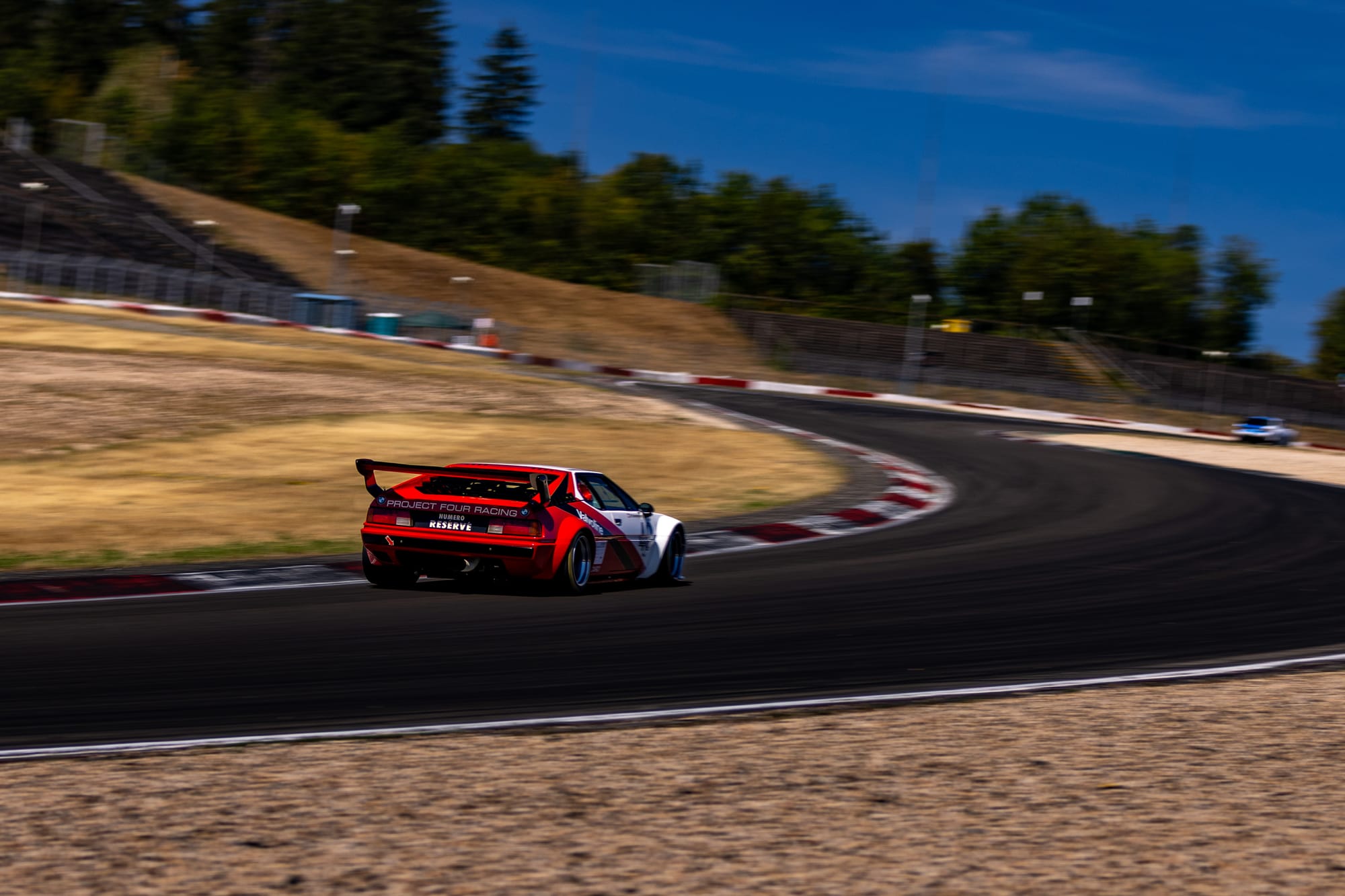
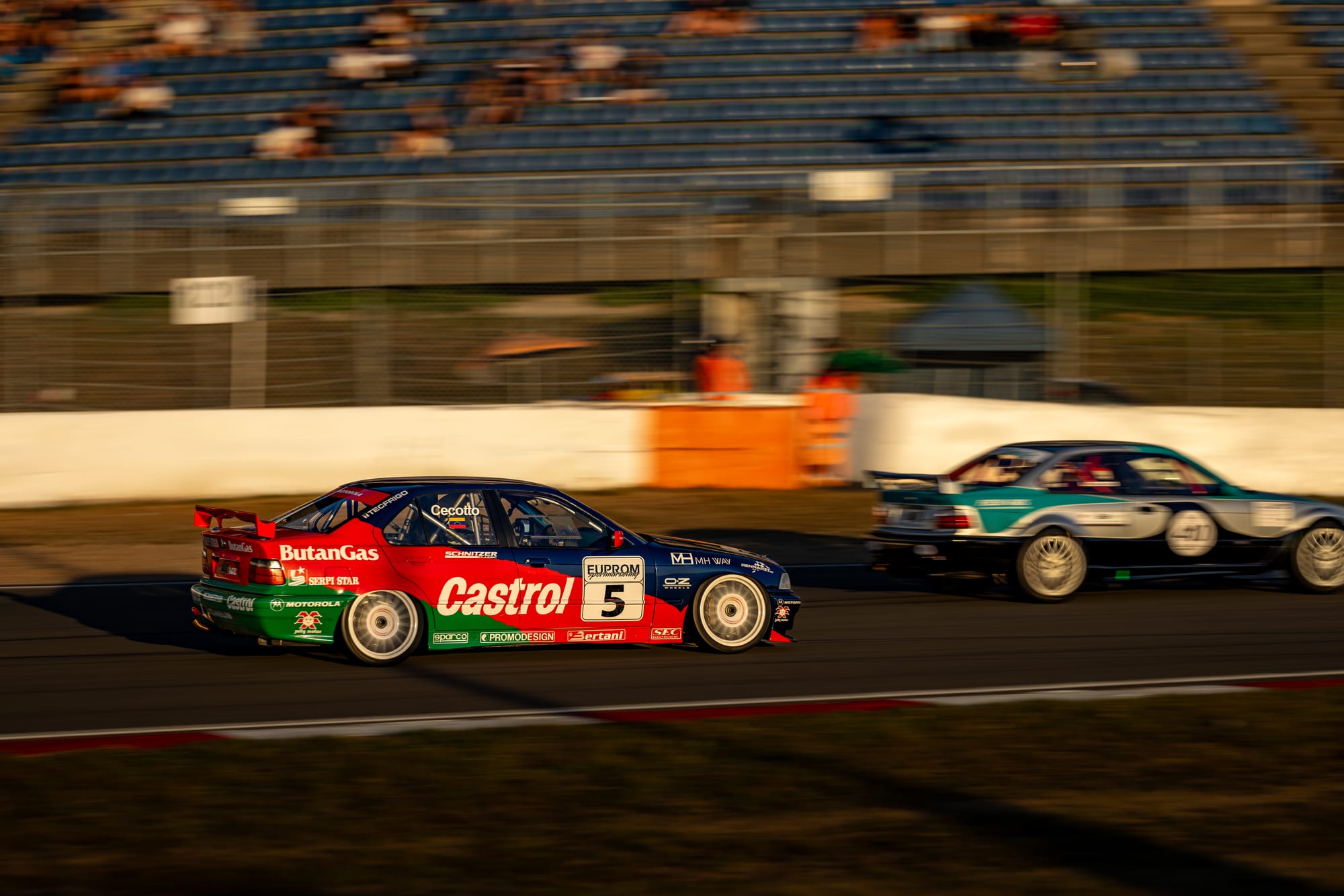
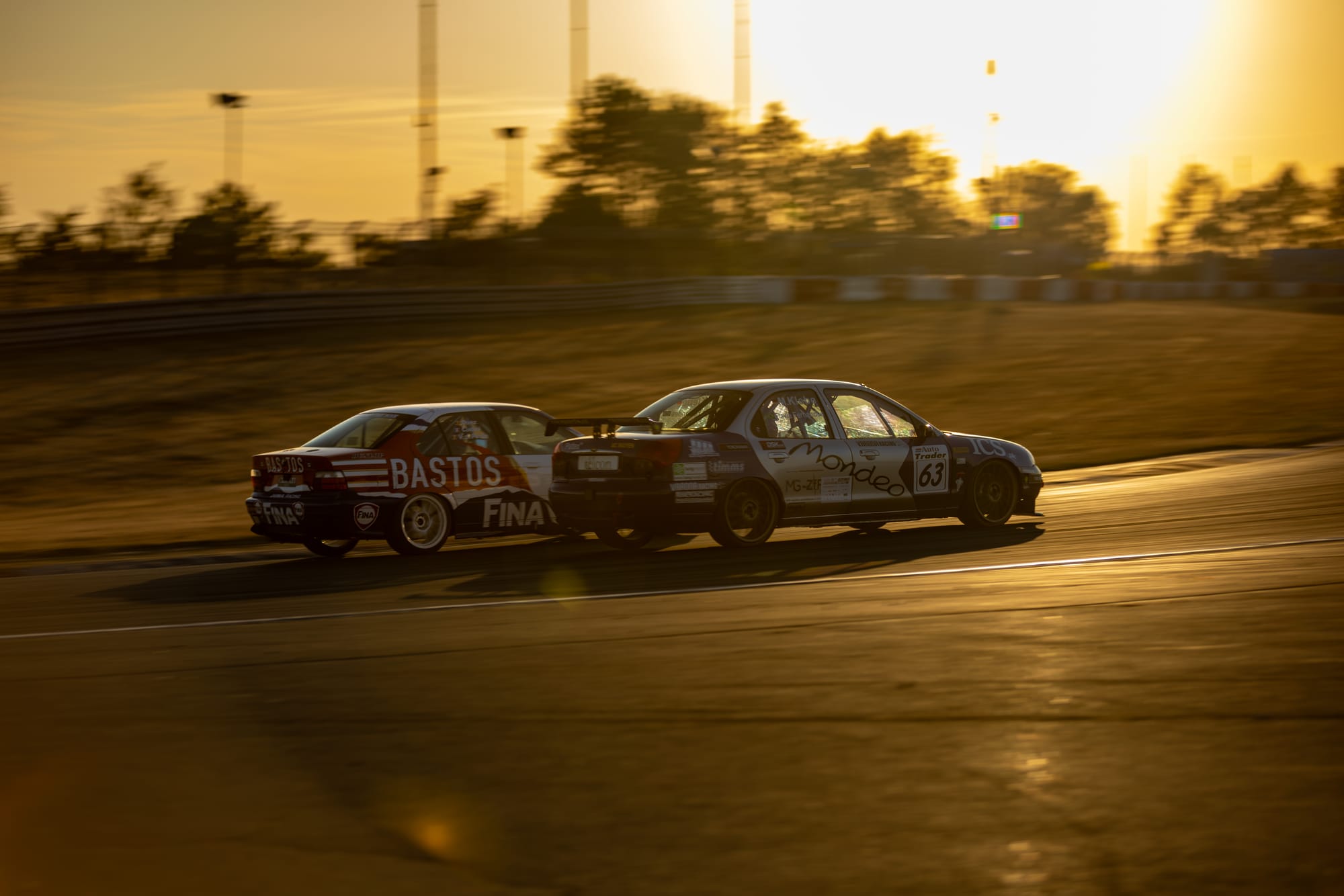
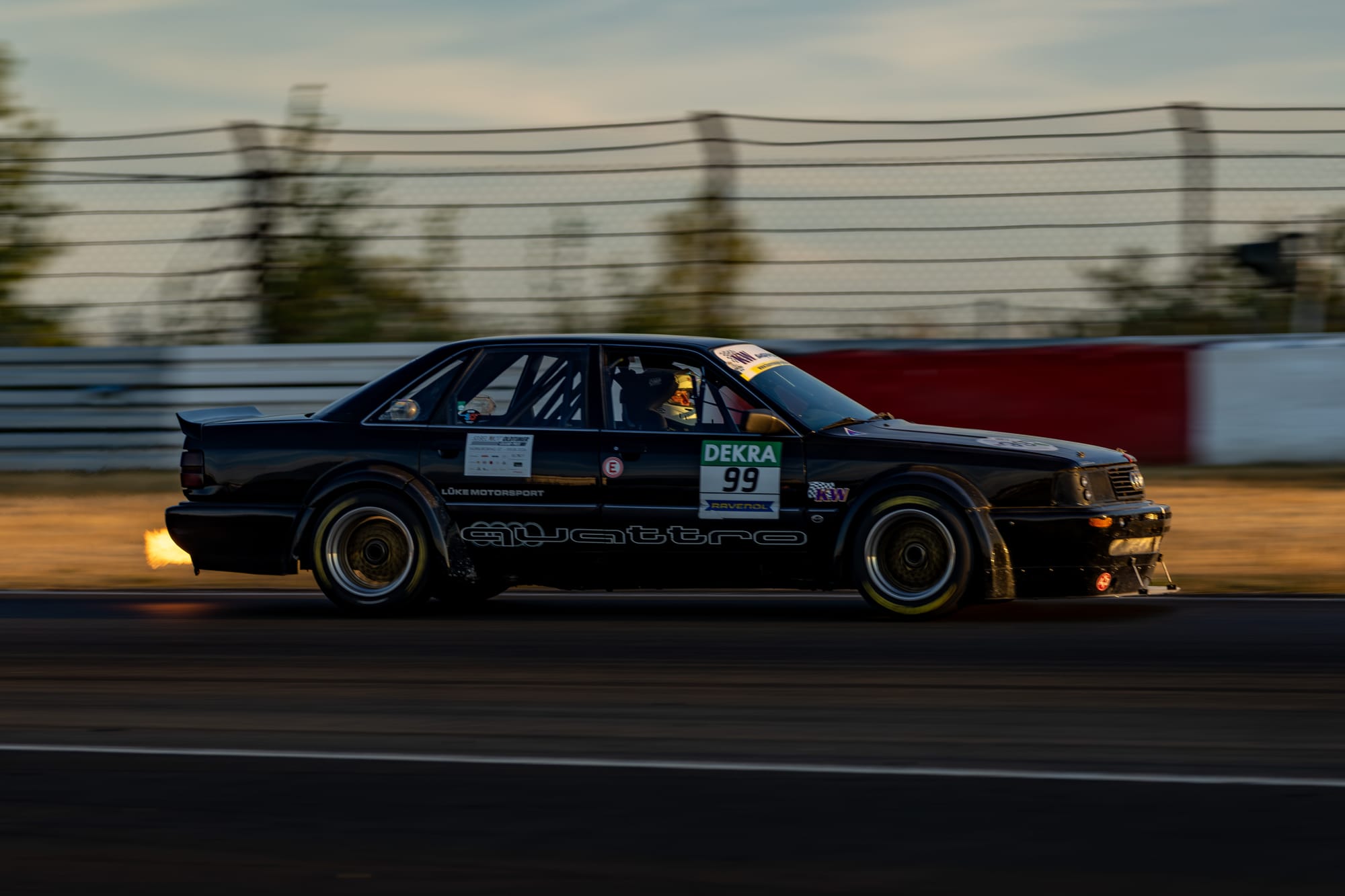
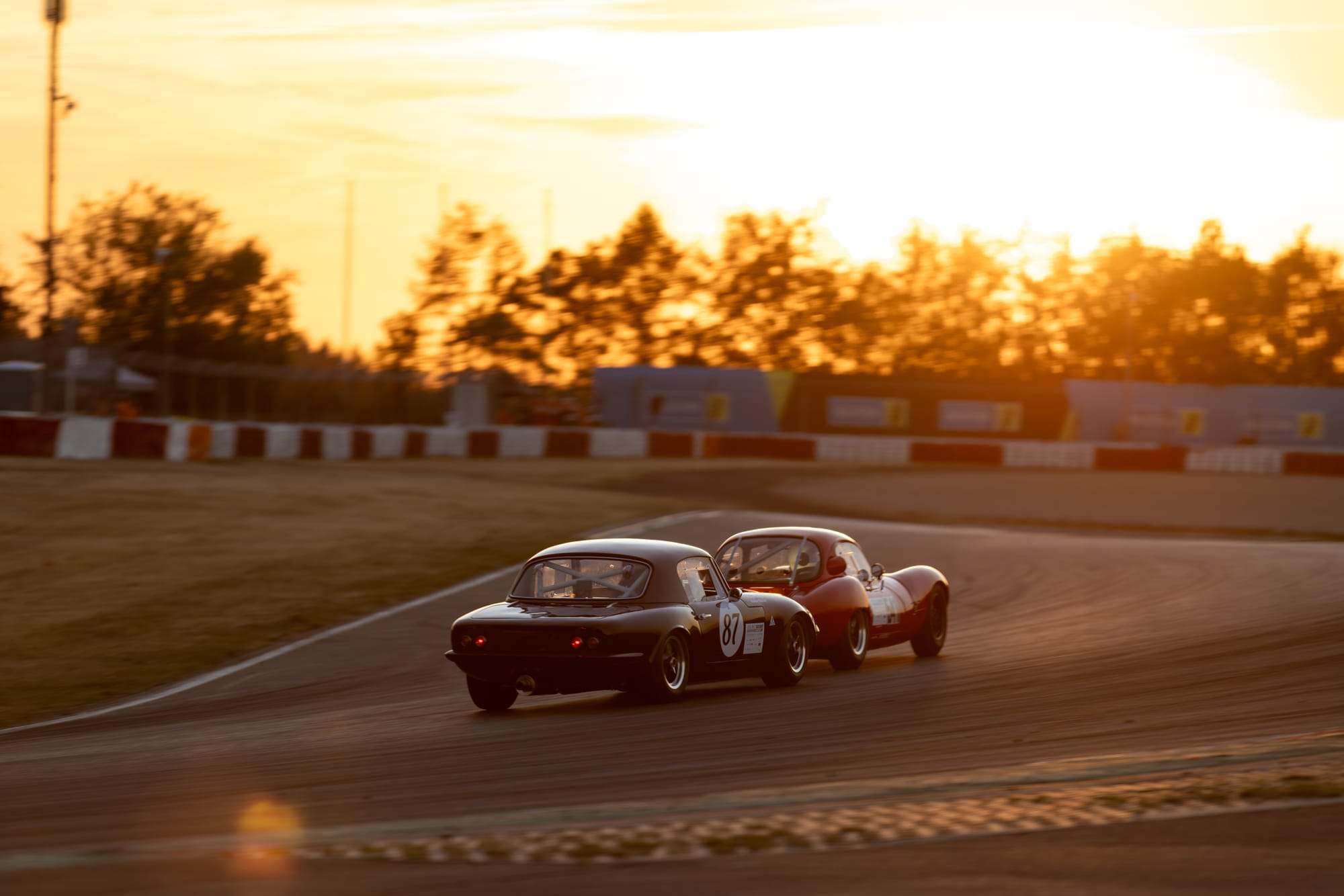
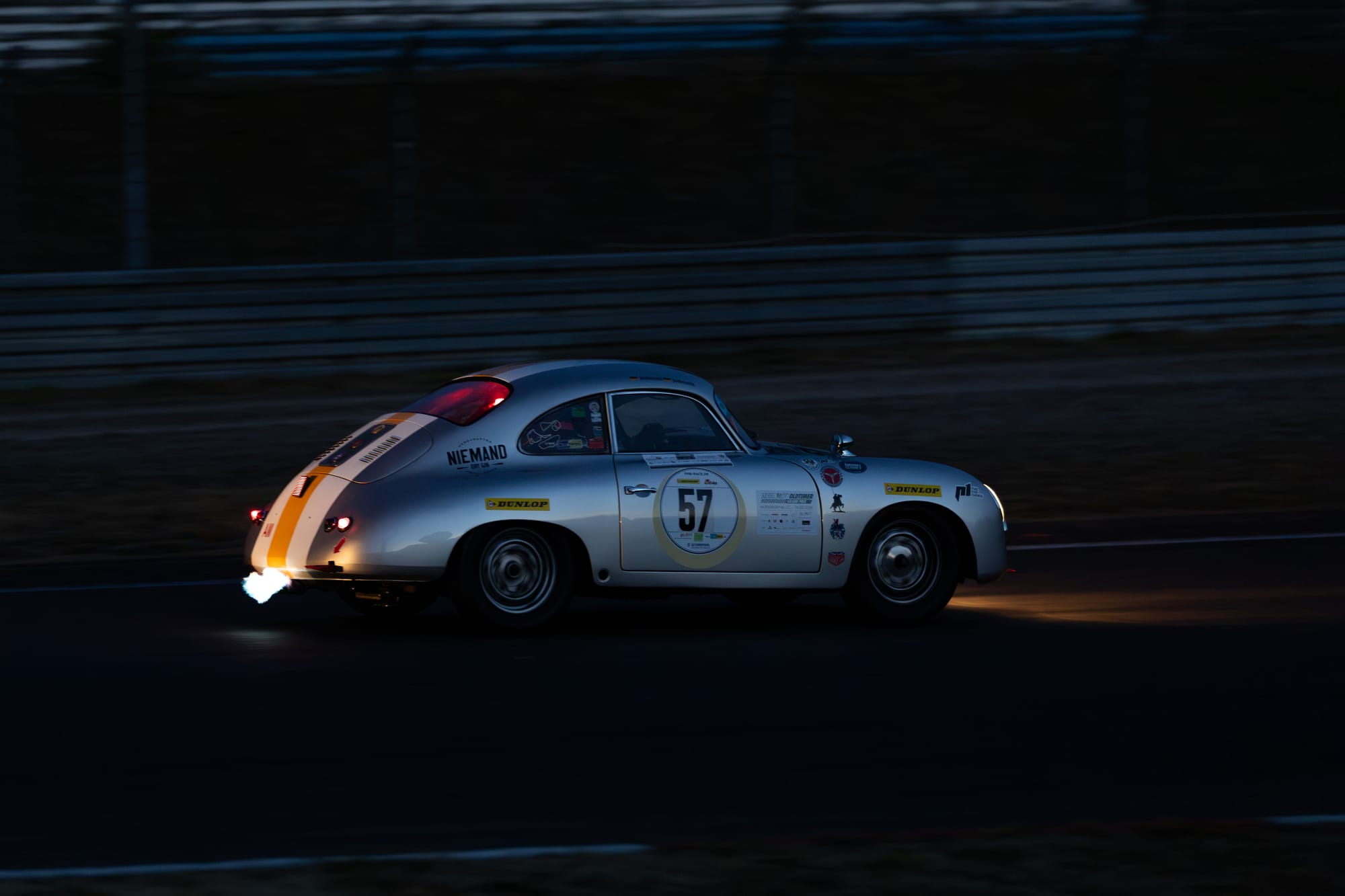
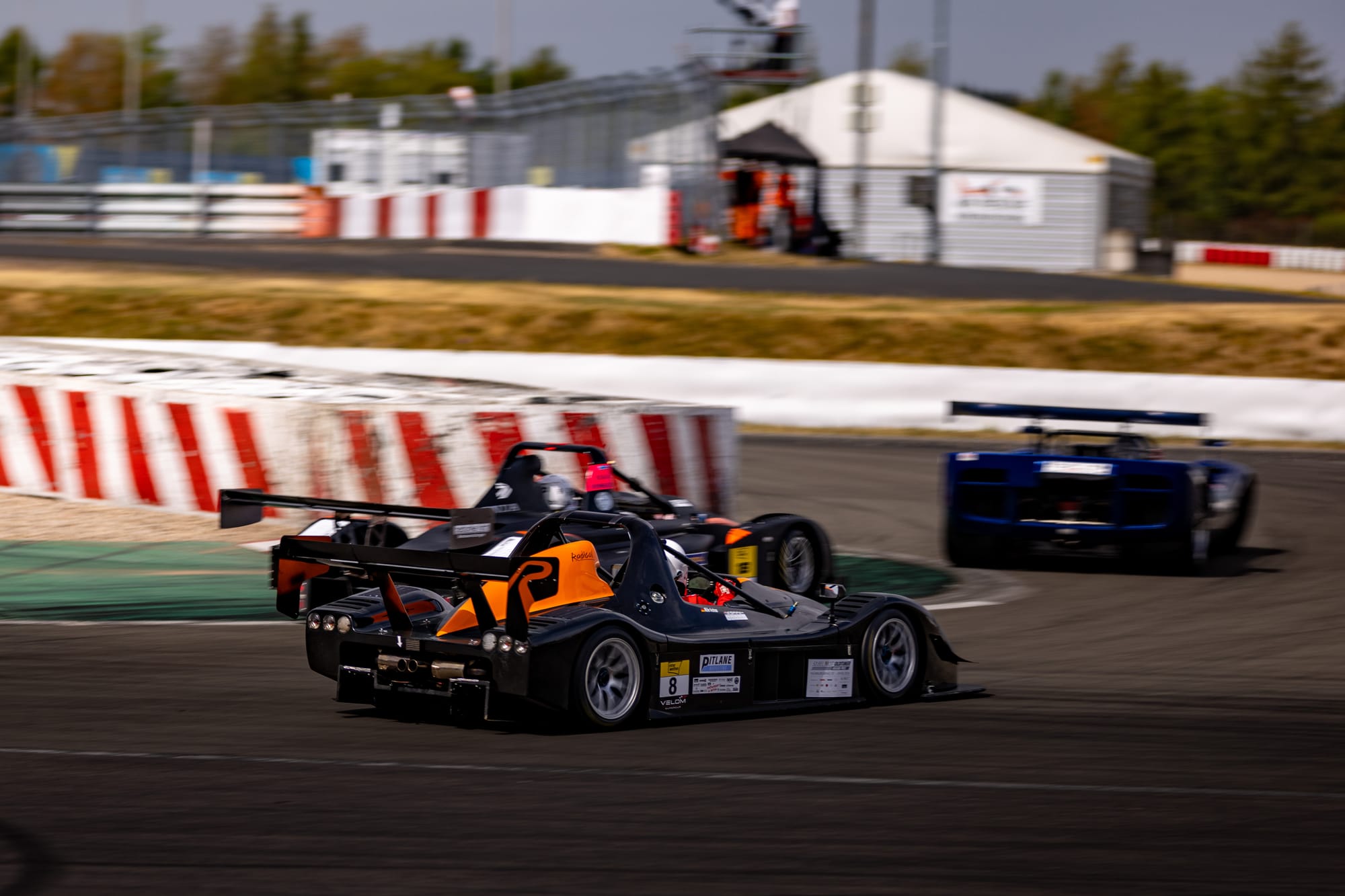
Photo by Batuhan Pehlivan